
Diseases
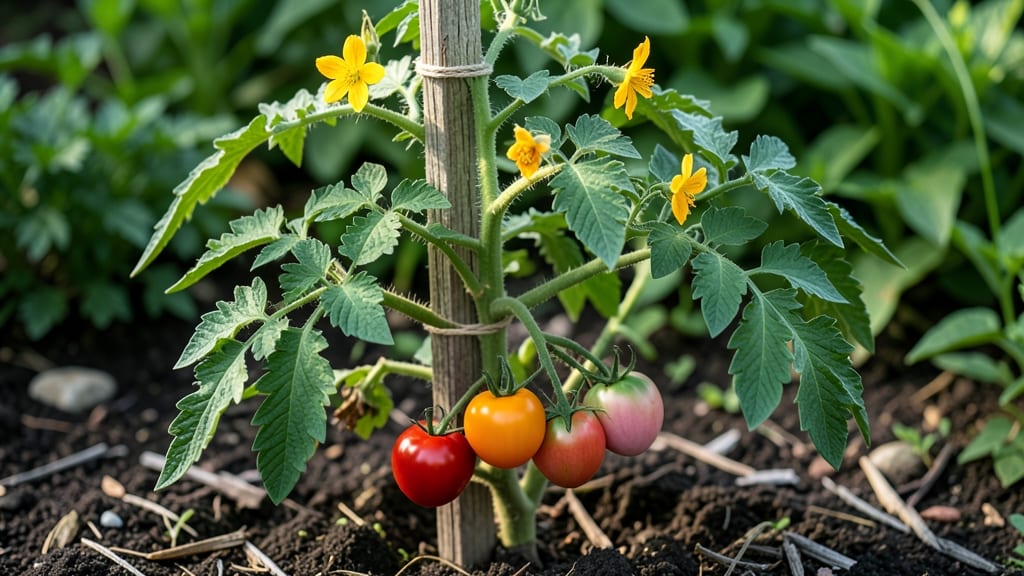
When the tomato plant diseases blight strike, copper spray is your fastest weapon—I’ve used it to save my garden from total wipeout after just one application. 🌱 The brown, greasy spots on leaves?
That’s early blight. The yellowing and wilting? Late blight. Both spread like wildfire in humid weather, but copper stops them in their tracks by disrupting the fungus’s life cycle.
Most gardeners panic when they see the first signs, but here’s the secret: prevention is easier than cure. I start spraying at the first hint of moisture (even morning dew) and repeat every 7–10 days.
The key is timing—don’t wait until the plants look sick. Copper works best when applied before the fungus gets a foothold, and it’s safe for edibles once fully dried.
What you’ll end up with is a tomato plant that fights back—no more rotting fruit or defoliation mid-season. The leaves stay green, the vines stay strong, and you’ll harvest tomatoes instead of throwing away ruined ones.
It’s not just about saving this year’s crop; it’s about breaking the cycle for next season too.
Works for both early and late blight, whether you’re growing in-ground, containers, or a greenhouse. The spray is non-toxic, budget-friendly, and the only thing standing between you and a blight-free harvest. Let’s get those plants protected.
The Hidden Triggers Behind Blight
Blight may seem like a sudden, devastating strike, but it’s often the result of a perfect storm of conditions that favor fungal or bacterial pathogens. Understanding these triggers is your first line of defense.
Let’s break down the key factors that turn your thriving tomato plants into blight magnets—and how to disrupt their plans.
Blight thrives in wet, humid conditions, making it a common scourge in regions with frequent rain or poor airflow. Here’s why moisture is the villain:
- Fungal Spores Love Water 💧: Pathogens like Phytophthora (which causes late blight) and Alternaria (early blight) release spores that cling to wet surfaces.
When humidity stays above 75% for prolonged periods, these spores germinate and infect leaves, stems, or fruit within 24–48 hours. - Poor Drainage = Disease Highway 🚧: Waterlogged soil traps excess moisture at the plant’s base, creating the ideal breeding ground for blight.
Even overhead irrigation (which splashes spores onto leaves) accelerates spread. - Morning Dew & Nighttime Dampness 🌅: While dew itself isn’t harmful, if it lingers until midday, it extends the window for spores to infect. Early blight, in particular, loves these conditions.
Pro Tip: 🌡️ Use a hygrometer to monitor humidity. Aim for below 60% during the day and improve airflow with spacers between plants or row covers.
Tomatoes left to grow too close together or under stress become blight magnets because:
- Limited Air Circulation 🌬️: Dense foliage traps moisture, creating microclimates where spores survive and multiply. Blight spreads 10x faster in crowded gardens. - Nutrient Deficiencies 🍃: Plants starved of potassium (K) or calcium (Ca) have weaker cell walls, making them easier targets for fungal invasion.
Look for yellowing leaves (potassium deficiency) or blossom-end rot (calcium deficiency)—both signal vulnerability. - Physical Damage ⚔️: Wounds from harsh pruning, hail, or pests create entry points for pathogens. Even insect bites (like from aphids) can weaken defenses.
Action Step: 🌿 Prune aggressively to remove lower leaves (where spores often land) and thin plants to 18–24 inches apart. Use balanced fertilizer (10-10-10 or 5-10-10) to boost resilience.
Blight pathogens persist in the environment, lying dormant in:
- Infected Plant Debris 🗑️: Old tomato stems, leaves, or fruit left in the soil harbor spores that can reinfect new plants. Some strains (like late blight) survive years in compost or mulch. - Contaminated Tools & Water 💦: Pruners, trellises, or even rainwater collected in gutters can carry spores.
If you’ve had blight before, sterilize tools with 70% alcohol or a 10% bleach solution. - Nearby Weeds & Alternate Hosts 🌿: Some blight pathogens (like Alternaria) also infect potatoes, peppers, and nightshade weeds. Remove these within 50 feet of your tomato patch.
Critical Move: 🔥 Rotate crops—never plant tomatoes (or potatoes) in the same spot for 3+ years. Solarize soil in late summer by covering beds with clear plastic for 4–6 weeks to kill pathogens.
Blight loves temperature swings, especially when:
- Days are Hot (80°F+) ☀️: High heat stresses plants, weakening their natural defenses. Meanwhile, fungal spores grow aggressively in warm, moist air. - Nights Stay Cool (60–70°F) 🌙: The temperature drop slows plant recovery but doesn’t stop the fungus.
Late blight, for example, thrives in 55–77°F ranges—common in spring and fall. - Rain After a Dry Spell 🌧️: Spores dormant in soil get reactivated by sudden water, leading to explosive outbreaks within days.
Smart Strategy: 🌡️ Mulch with straw (not hay—it can harbor spores) to keep soil temps stable and reduce splashback. Avoid watering after sunset to let foliage dry overnight.
Some pests don’t cause blight directly, but they pave the way for it:
- Aphids & Spider Mites 🐜: These sap-sucking pests weaken plants, making them more susceptible to fungal infections. They also spread spores as they move between plants. - Cutworms & Slugs 🐌: They chew stems, creating wounds where blight can enter.
Remove them with beer traps or diatomaceous earth. - Birds & Wildlife 🐦: Droppings can contaminate soil with spores. Keep birds off plants with netting if blight is rampant in your area.
Defense Tactic: 🛡️ Introduce beneficial insects (ladybugs, lacewings) to control pests before they stress your tomatoes. Use neem oil as a preventative spray to deter both pests and fungal spores.
Not all tomatoes are equally blight-resistant. Heirloom and open-pollinated varieties (like Cherokee Purple or Brandywine) are highly susceptible, while modern hybrids (e.g., ‘Mountain Merit’, ‘Defiant PhR’) are bred for resistance.
- Susceptible Traits 🚨:
- Thick, waxy leaves (common in heirlooms) hold moisture longer, trapping spores.
- Vining growth habits (like indeterminate types) create dense canopies that trap humidity.
- Resistant Traits 🛡️:
- Hairy leaves (like in ‘Black Krim’) repel water and spores.
- Compact growth (determinate types) improves airflow.
Quick Fix: 🌱 If you love heirlooms, grow them in containers for better airflow and rotate crops to reduce soil-borne pathogens.
Fixing Tomato Blight Fast
Tomato blight—whether early, late, or bacterial—can feel like a death sentence for your garden, but don’t panic! With the right copper-based defense and proactive care, you can stop the spread, save your plants, and prevent future outbreaks.
Below, we map out practical, step-by-step solutions tailored to the most common causes of blight, plus prevention tips to keep your tomatoes thriving season after season.
Cause: Alternaria solani fungus thrives in warm, dry conditions, creating concentric brown spots on leaves.
🍳 Immediate Treatment: Copper Spray + Pruning
- Remove Infected Leaves 🪒
- Snip off yellowed or spotted leaves (don’t compost them—dispose in a sealed bag).
- Focus on lower leaves first, where spores spread upward.
- Apply Copper Fungicide 🛡️
- Use a ready-to-use copper spray (like Copper Soap or Bordeaux Mixture) or mix 1 tsp copper sulfate + 1 gallon water + a drop of dish soap (as a surfactant).
- Spray early morning or late evening (avoid direct sun to prevent leaf burn).
- Reapply every 7–10 days until new growth appears healthy.
- Boost Airflow 🌬️
- Prune crowded branches to improve circulation—fungi love humidity!
- Space plants 18–24 inches apart if replanting.
💡 Prevention for Next Season
- Rotate crops: Don’t plant tomatoes (or potatoes/peppers) in the same spot for 3+ years.
- Mulch with straw: Keeps soil moist (but not soggy) and reduces spore splash.
- Start with resistant varieties: Try ‘Mountain Merit’ or ‘Defiant PhR’—they tolerate early blight better.
Cause: Phytophthora infestans spreads rapidly in cool, damp weather, causing greasy-looking spots that turn black.
👨🍳 Urgent Copper + Organic Boost
- Isolate the Plant 🚫
- Move affected plants at least 10 feet away from healthy ones to prevent cross-contamination.
- Drench with Copper + Baking Soda 🧂
- Mix:
- 1 tbsp copper fungicide
- 1 tbsp baking soda
- 1 tsp castile soap
- 1 gallon water
- Spray thoroughly (including undersides of leaves) every 5–7 days.
- Add a fan nearby to dry leaves faster—moisture fuels this fungus!
- Mix:
- Remove All Infected Plant Parts 🗑️
- Do NOT leave debris in the garden—burn or bag it immediately.
🌡️ Long-Term Prevention
- Avoid overhead watering: Use drip irrigation or water at the base.
- Plant in raised beds: Improves drainage and reduces soil-borne spores.
- Use row covers early: Blocks spores before they land on leaves.
Cause: Xanthomonas bacteria thrives in humid heat, creating tiny, water-soaked spots that ooze.
🔪 Copper Antibiotics + Sanitation
- Prune Aggressively ⚔️
- Cut off all infected leaves—bacterial spots won’t heal.
- Spray Copper + Neem Oil 🌿
- Mix:
- 1 tbsp copper fungicide
- 1 tsp neem oil
- 1 gallon water
- Spray every 5–7 days (neem has mild antibacterial properties).
- Mix:
- Sterilize Tools 🧼
- Clean pruners with rubbing alcohol between cuts to avoid spreading bacteria.
✨ Prevention Tips
- Water in the morning: Leaves dry faster, reducing bacterial growth.
- Choose resistant varieties: ‘Celebrity’ or ‘Solar Fire’ tomatoes handle bacterial spot better.
- Rotate crops: Bacterial spores linger in soil—wait 2–3 years before replanting tomatoes.
No matter the blight type, follow these golden rules to minimize damage:
| Step | Action | Frequency |
|---|---|---|
| Copper Spray | Apply fungicide (copper-based) | Every 7–10 days |
| Pruning | Remove all spotted/diseased leaves | Weekly (or as needed) |
| Watering | Water at the base, early in the day | Daily (avoid evenings) |
| Airflow | Space plants, prune for airflow | Once at planting, maintain |
| Crop Rotation | Avoid planting tomatoes in the same spot for 3+ years | Annual garden planning |
- 🔥 Hot Water Treatment: Soak seeds in 122°F water for 30 minutes to kill fungal spores before planting.
- 🌡️ Soil Thermometer Check: Blight spreads faster in cool, wet soil—aim for 60°F+ for healthy growth.
- 🎯 Companion Planting: Grow basil, marigolds, or garlic nearby—they repel pests and improve airflow.
- 🛡️ Copper Alternatives: If copper isn’t an option, try serenade (bacillus subtilis) or hydrogen peroxide spray (3%) (test on a small leaf first).
By acting fast and combining copper treatments with smart gardening habits, you can outsmart blight and keep your tomato plants producing juicy, disease-free fruit all season. 🍅💪
Frequently asked questions
How can I tell if my tomato plants have early blight vs. late blight?
Early blight shows as brown, concentric rings on leaves (starting at the edges), while late blight creates greasy, dark spots that spread rapidly in cool, wet weather. Check stems too—late blight causes black, sunken lesions, while early blight affects mostly leaves. If you see both, you likely have a mixed infection.
Can I still eat tomatoes from plants with blight?
Only if the fruit shows no visible spots or lesions. Remove any affected tomatoes immediately—they can spread spores. For safety, harvest only fully ripe, blemish-free tomatoes from healthy-looking plants. Always wash produce thoroughly before eating.
How often should I apply copper spray for prevention?
Start with a preventative spray every 7–10 days once plants reach 6–8 inches tall. Increase to every 5–7 days during humid weather or after rain. Always spray early morning or evening to avoid leaf burn from sunlight.
Will composting tomato leaves with blight spread the disease?
Blight spores survive in compost and can reinfect your garden. Instead, double-bag infected plant material in plastic and dispose of it in the trash. For next season, consider solarizing soil (covering beds with clear plastic for 4–6 weeks) to kill lingering pathogens.
Are there blight-resistant tomato varieties that actually work?
Yes! Look for hybrids like ‘Mountain Merit’ or ‘Defiant PhR’—they’re bred to resist early and late blight. Even heirlooms can work if grown in containers with excellent drainage and spaced 24+ inches apart for airflow. Always check seed packets for disease resistance ratings.