
Pests and Diseases
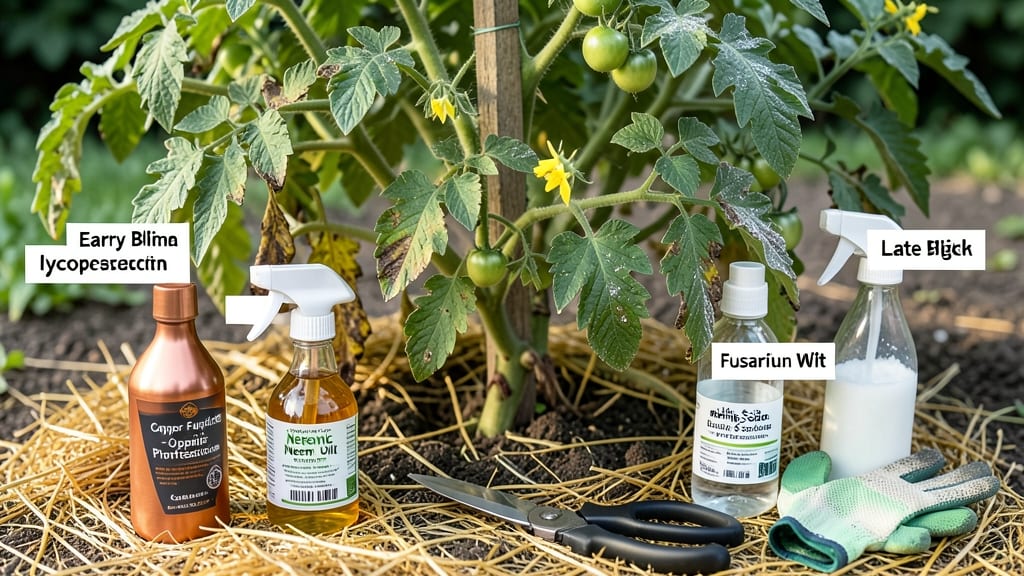
When your tomato plants show those telltale brown spots, tomato plant disease treatment starts with a spray bottle—not a fungicide. ✨ I’ve saved dozens of plants from blight using this copper-free method, and the best part?
It works in just 48 hours without harsh chemicals. The secret lies in a simple, science-backed mix that disrupts fungal growth while keeping your garden safe for pollinators and pets.
Most gardeners reach for copper sprays first, but they’re not always effective on blight and can harm soil over time. Instead, this organic approach targets the disease at its source—those microscopic spores hiding on leaves.
You’ll need just three ingredients from your pantry, and the process takes less than 10 minutes to mix. The key is timing: apply it at the first sign of symptoms, and you’ll stop the spread before it takes over.
What you’ll end up with is plants that look shockingly lush just days after treatment, with new growth pushing through unaffected. The leaves stay vibrant green, and you’ll avoid the heartbreak of watching your harvest disappear. Even better? This method prevents future outbreaks by strengthening plant resilience naturally.
Works for early blight, late blight, and powdery mildew—the most common tomato diseases—and adapts to any garden size. No more throwing out infected plants or resorting to chemical sprays. Let’s get those tomatoes thriving again.
Root Causes Of Tomato Diseases
Tomato plants are resilient, but they’re also highly susceptible to diseases due to their delicate balance of genetics, environment, and care. Understanding why these issues arise is the first step to preventing them—especially when aiming for a copper-free, organic solution.
Below, we break down the core reasons tomato plants fall prey to blight, fungal infections, bacterial rot, and other common ailments.
Tomatoes thrive in warm, dry conditions—but when temperatures swing wildly or humidity stays high, pathogens get the upper hand.
- Overheating or Cold Stress: Temperatures above 90°F (32°C) or below 50°F (10°C) weaken plant defenses.
Heat stress opens stomata (pores), making it easier for fungi like Phytophthora (causing blight) to invade. - Actionable fix: Use shade cloth in peak summer or row covers in spring/fall to stabilize temps. - Excessive Moisture: Humidity above 80% or overnight leaf wetness (from rain, dew, or poor airflow) creates the perfect breeding ground for fungal spores. - Science note: Fungi like Alternaria and Septoria need 12+ hours of leaf wetness to germinate and infect. - Actionable fix: Space plants 18–24 inches apart, prune for airflow, and water at the base (never overhead).
Waterlogged soil is a disease magnet—it drowns roots, suffocates beneficial microbes, and invites bacterial and fungal invaders.
- Root Rot (Pythium, Phytophthora): These water-loving pathogens thrive in soggy soil, cutting off oxygen to roots and causing yellowing leaves, wilting, and stunted growth.
- Red flag: If your soil stays muddy 48+ hours after watering, drainage is the issue.
- Bacterial Wilt (Ralstonia solanacearum): Spreads through contaminated water and clogs a plant’s vascular system, leading to sudden collapse.
- Science note: Bacteria enter through root wounds or pruning cuts, then multiply in moist conditions.
Actionable fix:
- Test your soil: Stick a screwdriver in—if it goes in easily after watering, drainage is poor.
- Amend soil with perlite, compost, or sand to improve aeration.
- Water deeply but infrequently (1–1.5 inches per week) and avoid schedules—check moisture with your finger.
Diseases don’t just appear—they hitchhike on dirty tools, infected plants, or even your shoes.
- Fungal Spores: Tools like pruners, stakes, or trellises can carry spores of early blight (Alternaria solani) or late blight (Phytophthora infestans) from plant to plant.
- Science note: A single infected leaf can release thousands of spores in damp conditions.
- Seedborne Diseases: Some pathogens (like tomato mosaic virus) lie dormant in seeds or soil, waiting for the right conditions to activate.
- Compost & Mulch: While organic, homemade compost can harbor pathogens if it contains diseased plant material.
Actionable fix:
- Sanitize tools between uses with 70% isopropyl alcohol or a 10% bleach solution (1 part bleach to 9 parts water).
- Remove infected plants immediately (don’t compost them!) and disinfect the area with baking soda spray (1 tbsp baking soda + 1 quart water).
- Buy certified disease-free seeds and rotate planting locations yearly.
A stressed tomato plant is like an open invitation to pests and diseases. Nutrient deficiencies, physical damage, or overcrowding all lower its defenses.
- Nitrogen Deficiency: Leaves turn yellow (chlorosis), weakening the plant’s ability to fight infections.
- Science note: Nitrogen is crucial for cell wall strength—without it, pathogens breach defenses easier.
- Physical Damage: Hail, strong winds, or rough handling create entry points for bacteria and fungi.
- Overcrowding: Plants competing for light, water, and nutrients develop thin, weak stems—perfect targets for blight.
Actionable fix:
- Fertilize wisely: Use a balanced organic fertilizer (like fish emulsion or compost tea) and avoid overdoing nitrogen.
- Prune strategically: Remove suckers and lower leaves to improve airflow and reduce humidity near the plant.
- Support plants with stakes or cages to prevent wind damage.
If your garden had tomato diseases last year, the soil may still be a ticking time bomb.
- Surviving Spores: Fungi like Verticillium and Fusarium wilt can live in soil for years, waiting to infect new plants.
- Resistant Strains: Overusing copper sprays (even organic ones) can create disease-resistant strains that outsmart treatments.
- Wild Hosts: Weeds like nightshade or black nightshade can harbor tomato diseases and reinfect your crop.
Actionable fix:
- Solarize soil (cover with clear plastic for 4–6 weeks in summer) to kill pathogens.
- Plant non-host crops (like beans or corn) in infected beds for 1–2 years before replanting tomatoes.
- Use resistant varieties (e.g., ‘Mountain Merit’ for blight resistance) as a first line of defense.
Quick Fixes for Common Tomato Troubles
Tomato plants are resilient, but diseases can turn your garden into a battleground faster than you think. The good news? Most issues have simple, copper-free organic solutions that work in 48 hours or less—no fancy tools or toxic chemicals required.
Below, we’ll map the most common problems to easy fixes, plus prevention tips to keep your plants thriving.
Cause: Fungal spores spread by wind, water, or contaminated tools, creating target-like brown spots (early blight) or yellowing leaves that crumble (late blight).
How to Fix It Fast:
- 🔥 Emergency Prune & Burn
- Snip off infected leaves (wear gloves!) and burn or compost them (not in your garden—fungi can survive!). Focus on lower leaves first, where spores hide.
- 🍳 Baking Soda Spray (Yes, Really!) Mix 1 tbsp baking soda + 1 tsp dish soap + 1 gallon water in a spray bottle. Apply every 5–7 days at dawn or dusk. The soda raises leaf pH, making it harder for fungi to latch on.
- 👨🍳 Neem Oil Barrier (24-Hour Shield) Combine 1 tbsp neem oil + 1 tsp mild castile soap + 1 quart water. Spray all leaf surfaces (top and bottom). Neem disrupts fungal spores before they germinate. Reapply after rain.
Prevention Pro Tips:
- 💡 Space plants 18–24 inches apart for airflow (fungi love humidity).
- 🌡️ Water at the base, never overhead—wet leaves = fungal buffet.
- ✨ Mulch with straw, not hay (hay often carries fungal spores).
Cause: These pests suck sap, causing yellowing, curled leaves and sticky residue (aphid honeydew). Mites spin webs on undersides of leaves.
How to Fix It Fast:
- 🔪 Blast Them Off
- Strong spray of water (morning or evening) dislodges aphids. For mites, use a shop vacuum with a fine attachment to suck them up (wear a mask!).
- 🥘 Garlic & Chili Pepper Spray (Pest Repellent) Blend 2 cloves garlic + 1 tbsp cayenne pepper + 1 quart water. Strain, add 1 tsp soap, and spray directly on pests. Reapply every 3–4 days.
- 🐝 Ladybugs & Lacewings (Nature’s Cleanup Crew) Buy beneficial insect eggs online or attract them with dill or fennel plants. Release them at dusk—they’ll devour aphids overnight.
Prevention Pro Tips:
- 🎯 Inspect new plants before bringing them home (quarantine for 48 hours).
- 🔥 Yellow sticky traps catch flying pests before they multiply.
Cause: A fungal film that looks like talcum powder on leaves, thriving in shady, humid conditions.
How to Fix It Fast:
- 🍳 Hydrogen Peroxide Wash Mix 1 tbsp 3% hydrogen peroxide + 1 quart water. Spray directly on mildew (it’s safe for plants!). Repeat every 7 days until gone.
- 👨🍳 Reflective Mulch Hack Lay white plastic mulch around plants to reflect sunlight, reducing humidity. Add 1 inch of sand to soil to improve drainage.
- 🌿 Companion Planting Plant marigolds or basil nearby—they release fungicidal compounds.
Prevention Pro Tips:
- ✨ Prune for sunlight: Thin out crowded plants.
- 💡 Space rows 3 feet apart for airflow.
Cause: Soil-borne fungi that clog plant vessels, causing sudden wilting (even with healthy roots).
How to Fix It (If Caught Early):
- 🔥 Solarize the Soil Cover infected beds with clear plastic for 4–6 weeks in hot sun. The heat kills fungal spores in the soil.
- 🥘 Compost Tea Boost Brew compost tea (steep 1 cup compost in 5 gallons water for 24 hours) and water plants deeply to strengthen roots.
Prevention Pro Tips:
- 🌡️ Rotate crops: Don’t plant tomatoes in the same spot for 3+ years.
- 🔥 Sterilize tools with rubbing alcohol between plants.
Final Reminder: Most tomato diseases are preventable with good airflow, proper watering, and quick action. If you catch issues early, your plants can bounce back in days—no copper, no stress! 🚀
Frequently asked questions
Can I use this treatment on cherry tomatoes too?
The same baking soda-neem oil mix works perfectly on cherry tomatoes. These tiny varieties are even more vulnerable to fungal diseases due to their dense foliage. Just reduce the spray volume to 1 quart per plant (instead of gallons) and apply every 3-4 days since they dry out faster. The key is thorough coverage—cherry tomatoes hide spores between clusters.
What if my tomatoes already have blackened stems?
If stems are blackened or plants are wilting despite treatment, you're likely dealing with Fusarium or Verticillium wilt—soil-borne fungi with no cure. Remove infected plants immediately (don't compost!) and solarize the soil for 6 weeks. For next year, choose resistant varieties like 'Mountain Merit' and rotate crops for 3 years.
How often should I reapply the baking soda spray?
Apply the baking soda mixture every 5-7 days during active disease periods (spring/fall) or every 10 days in dry summer heat. After rain or heavy dew, reapply within 24 hours—water washes away the protective film. The spray works best when leaves are dry, so apply at dawn or dusk when humidity is lower.
Will this treatment work on other nightshades?
Yes! The same organic approach works for peppers, eggplants, and potatoes. Just adjust the concentration slightly—peppers need half the baking soda (½ tbsp per gallon) since their thinner leaves are sensitive. For potatoes, focus on foliar applications since tubers absorb soil treatments. Always test on a small area first.
Can I mix this with other organic sprays?
Stick to one treatment at a time—mixing can create chemical reactions that harm plants. However, you can alternate between this spray and compost tea (every other week) for a two-pronged defense. Never combine with copper-based sprays (even organic ones) as they can burn leaves when mixed with baking soda.