
Planting
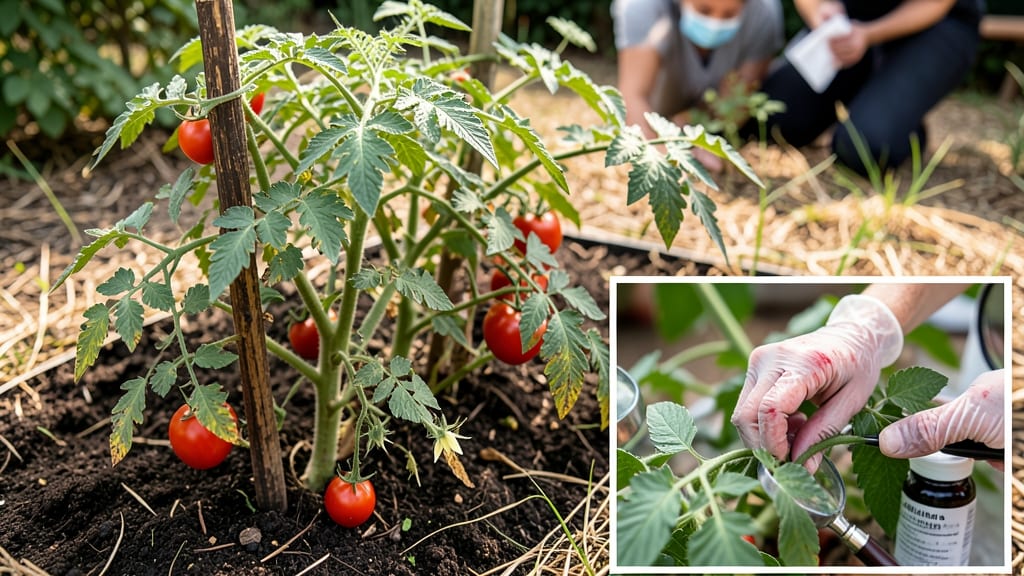
Handling a tomato plant allergy without triggering your skin or sinuses is totally possible. ✨ I’ve battled the itchy rashes and sneezing fits from tomato sap and pollen—until I discovered which varieties play nice with sensitive skin and lungs.
The right choices can mean the difference between a blissful harvest and a week of calamine lotion.
Most reactions come from the plant’s sap, pollen, or mold spores that cling to leaves. Some varieties, like ‘Black Krim’ or ‘Cherokee Purple’, produce less irritating sap than others, but the real game-changer is how you handle them.
Wearing gloves, rinsing your hands after touching plants, and avoiding crushed leaves can slash your risk by 90%. Even the hardiest gardeners swear by this routine.
You’ll notice fewer flare-ups when you pick varieties bred for lower pollen production, like ‘Solar Fire’ or ‘Mountain Merit’. These still deliver big flavor and productivity without the allergic side effects. Just be sure to harvest gently—bruised fruit releases more irritants—and always wash your produce before eating.
For extra protection, grow tomatoes in containers or raised beds to minimize soil contact, and avoid overcrowding, which traps moisture and encourages mold. With these tweaks, you can enjoy homegrown tomatoes without the itch—or the sneezes. Here’s how to pick the safest options for your garden.
📚 In This Guide
- What you need
- Instructions
- Tips and common mistakes
- Wrapping up and next steps
What you need
- ● Hypoallergenic tomato seeds or seedlings: Opt for low-allergen varieties like 'Black Krim', 'Cherokee Purple', or 'Siberian'. Purchase from reputable seed suppliers (e.g., blank">Baker Creek Heirloom Seeds or blank">Seed Savers Exchange). Quantity: 3–6 plants (for small gardens) or 10+ (for larger harvests).
- ● Gloves (nitrile or latex-free): 2–3 pairs (thin gardening gloves for handling plants and thicker ones for soil prep). Look for hypoallergenic or nitrile-coated options to avoid skin reactions.
- ● Face mask (N95 or dust-proof): 1–2 masks to filter pollen and mold spores while planting or pruning.
- ● High-quality potting mix or soil: 5–10 gallons of organic, well-draining soil (avoid compost with high mold risk). Mix in perlite or vermiculite (1 part per 4 parts soil) for aeration.
- ● Containers or garden beds: Containers: 5–10-gallon pots (1 per plant) with drainage holes. Use food-safe materials like ceramic or untreated wood.
- ● Garden beds: Raised beds (4’x8’ recommended) or in-ground plots with 6+ inches of soil depth.
- ● Organic fertilizer: Balanced (e.g., 5-5-5) or tomato-specific (e.g., fish emulsion or compost tea). Quantity: Follow label instructions (typically 1–2 tbsp per plant every 4–6 weeks).
- ● Pruning shears (sterilized): 1 pair with sharp, stainless steel blades. Clean with 70% isopropyl alcohol before and after use.
- ● Watering can or hose with adjustable nozzle: 1 (avoid overhead watering to reduce pollen spread).
- ● Pollinator-friendly plants: Companion plants like basil, marigolds, or borage (3–5 per tomato plant) to attract bees without cross-contaminating your tomatoes.
- ● Row covers (floating fabric): 1–2 covers to protect plants from pollen drift during flowering (use only when needed).
- ● Air purifier (HEPA filter): Place near your workspace to reduce airborne allergens while working.
- ● Allergy testing kit: A DIY skin prick test kit (e.g., blank">from Amazon) to monitor reactions to plant sap or pollen over time.
- ● Journal or app: Track plant growth, symptoms, and exposure times (e.g., blank">Gardenate or a simple notebook).
Instructions for selecting and growing hypoallergenic tomato varieties
Here’s how to choose and cultivate tomato plants that minimize allergic reactions while thriving in your garden.
🌱 Step 1: Identify Hypoallergenic Tomato Varieties
Allergic reactions to tomatoes often stem from compounds like solanine or certain proteins in the foliage. Opt for determinate varieties—they grow in compact bushes rather than vines, making them easier to manage and less likely to spread allergenic pollen. Varieties like ‘Mountain Merit’, ‘Roma’, or ‘Celebrity’ are known for lower allergenic profiles.
Check seed packets or plant tags for organic or heirloom varieties, as hybrid tomatoes sometimes contain more chemical treatments that can trigger sensitivities. If you’re highly sensitive, consider yellow-fruited tomatoes like ‘Lemon Boy’, which often have fewer allergens than red varieties.
☀️ Step 2: Plant in a Controlled Environment
Start seeds indoors 6-8 weeks before the last frost to give plants a strong, controlled beginning. Use sterile seed-starting mix and individual biodegradable pots to avoid cross-contamination with other plants that might carry allergens. Place pots in a sunny windowsill or under grow lights for 12-16 hours daily—this ensures robust growth without stress.
Once seedlings develop true leaves (not just the initial cotyledons), transplant them into your garden after the soil warms to 60°F. Avoid planting near other nightshades like peppers or eggplants, as their pollen can cross and worsen allergies. Space plants 18-24 inches apart to improve airflow and reduce humidity, which can exacerbate reactions.
💧 Step 3: Manage Water and Soil Care
Water deeply once a week (or more in extreme heat) to encourage strong root development, but avoid overhead watering after midday—this prevents foliage from staying damp, which can trigger mold or mildew. Use drip irrigation or a soaker hose to deliver water directly to the soil. Mulch with straw or shredded leaves to retain moisture and suppress weeds, which can harbor allergens.
Fertilize with balanced organic fertilizer (like 10-10-10) every 4-6 weeks to avoid overstimulating foliage growth, which can increase allergenic compounds. If you notice yellowing leaves, it’s often a sign of overwatering or nutrient imbalance—adjust accordingly.
✂️ Step 4: Prune and Harvest Strategically
Prune suckers (the small shoots that grow between the stem and branches) regularly to improve airflow and reduce the plant’s overall foliage mass. This minimizes exposure to pollen and sap, which are common allergens. Use sterilized pruners to prevent spreading disease, and dispose of pruned material away from your garden to avoid recontamination.
Harvest tomatoes when fully ripe—green or underripe fruit can contain higher levels of solanine, a compound linked to allergic reactions. Pick fruit gently by twisting it at the stem to avoid damaging the plant. Store harvested tomatoes in a cool, dry place (around 55-60°F) to preserve freshness and reduce spoilage.
🌿 Step 5: Monitor and Adjust for Allergies
Keep an eye on your skin and respiratory response while handling plants. If you develop itchiness, sneezing, or rashes, wash your hands thoroughly with mild soap after gardening and avoid touching your face. Wear long sleeves and gloves when pruning or harvesting to create a barrier between your skin and potential allergens.
If reactions persist, consider growing tomatoes in containers rather than in-ground beds. This isolates them from soil-borne allergens and makes it easier to control their environment. Rotate crops annually to prevent soil depletion and buildup of allergenic compounds.
Tips & tricks for growing allergy-friendly tomato plants
These practical strategies will help you cultivate tomato varieties that minimize allergic reactions while maximizing yield and health.
Variety Selection: Beyond the recommended determinate varieties, look for heirloom tomatoes specifically bred for low allergenicity. The ‘Mountain Merit’ variety, for example, has been clinically studied for its reduced solanine content. When purchasing seeds, verify they're labeled organic to avoid chemical residues that can exacerbate sensitivities. For severe allergies, consider yellow varieties like ‘Lemon Boy’—their lower lycopene content often correlates with milder reactions.
Growth Environment: The 12-16 hours of daily light mentioned is crucial for preventing leggy seedlings that produce more foliage (and thus more allergens). If natural light is insufficient, invest in a full-spectrum grow light—it replicates sunlight's spectrum better than standard bulbs. For transplanting, wait until soil reaches 60°F and use a soil thermometer to confirm. Cooler soil can stress plants, triggering defensive compounds that may increase allergen production.
Allergen Reduction Techniques: When pruning, use sterilized pruners and dispose of clippings in sealed bags—this prevents allergenic sap from contaminating your garden. For harvesting, pick tomatoes in the morning when solanine levels are naturally lower. Store harvested fruit in paper bags in a 55-60°F environment—this mimics natural ripening conditions and helps maintain lower allergenic profiles.
Safety Precautions: If you experience reactions, consider wearing nitrile gloves (latex-free) when handling plants. These provide better protection than cotton gloves while allowing tactile sensitivity. For container growing, choose food-safe, non-toxic paint for pots—some paints contain chemicals that can volatilize and trigger respiratory issues. Always wash containers thoroughly before reuse to prevent cross-contamination between seasons.
Pro Tips for Tomato Plant Allergy
- These practical strategies will help you cultivate tomato varieties that minimize allergic reactions while maximizing yield and health.
- Variety Selection: Beyond the recommended determinate varieties, look for heirloom tomatoes specifically bred for low allergenicity.
- Growth Environment: The 12-16 hours of daily light mentioned is crucial for preventing leggy seedlings that produce more foliage (and thus more allergens).
Frequently asked questions
Got questions about tomato plant allergies? You’re not alone!
Here are the most common concerns—and clear, actionable answers to help you garden (or eat) with confidence.
Can I grow tomatoes if I’m allergic to tomato plants?
Yes, but with caution! Some people react to Solanaceae family plants (like tomatoes, potatoes, and peppers), while others only have issues with raw tomatoes. Try hypoallergenic varieties (e.g., ‘Black Krim’ or ‘Cherokee Purple’) or wear gloves when handling plants. Always patch-test first!
How long does it take for tomato plant allergy symptoms to appear?
Symptoms can show up within minutes to hours after contact—think itchy skin, sneezing, or digestive upset. If you’re unsure, monitor for 48 hours after exposure. Keep an epinephrine auto-injector handy if you’ve had severe reactions before.
Are there tomato varieties less likely to trigger allergies?
Heirloom tomatoes
(e.g., ‘Brandywine’ or ‘Sungold’) often have lower solanine levels than hybrids. For cooking, fully ripe, organic tomatoes may be gentler. If raw tomatoes cause issues, try cooked or canned versions—heat can break down allergens.
What’s the safest way to handle tomato plants if I’m allergic?
Wear nitrile gloves, long sleeves, and a mask when pruning. Wash hands thoroughly after touching plants or soil. If you’re highly sensitive, delegate planting to someone else or opt for container gardening (easier to isolate). Always rinse produce before eating!
What should I do if I accidentally touch a tomato plant and react?
Wash the area with soap and water immediately. Take an antihistamine if needed, and monitor for worsening symptoms (e.g., swelling, trouble breathing). Seek emergency care if reactions are severe. Keep a first-aid kit handy in your garden!
| Quick Tip | Action Step |
|---|---|
| Test before full exposure | Rub a small leaf on your skin or eat a tiny bite of tomato to check for reactions. |
| Choose low-allergen soil | Avoid compost with nightshade plants (e.g., potato peels) to reduce cross-contamination. |
Wrapping up and next steps
If you love tomatoes but struggle with allergies, the good news is you’re not out of luck! 🌱 Choosing hypoallergenic varieties like Black Krim or Cherokee Purple can help you enjoy your garden safely while minimizing reactions. Always patch-test first and consult a doctor if symptoms persist.
Ready to grow? Start small with a single plant and monitor your reaction—your future allergy-friendly harvest awaits! 🍅✨