
Leaf Blower
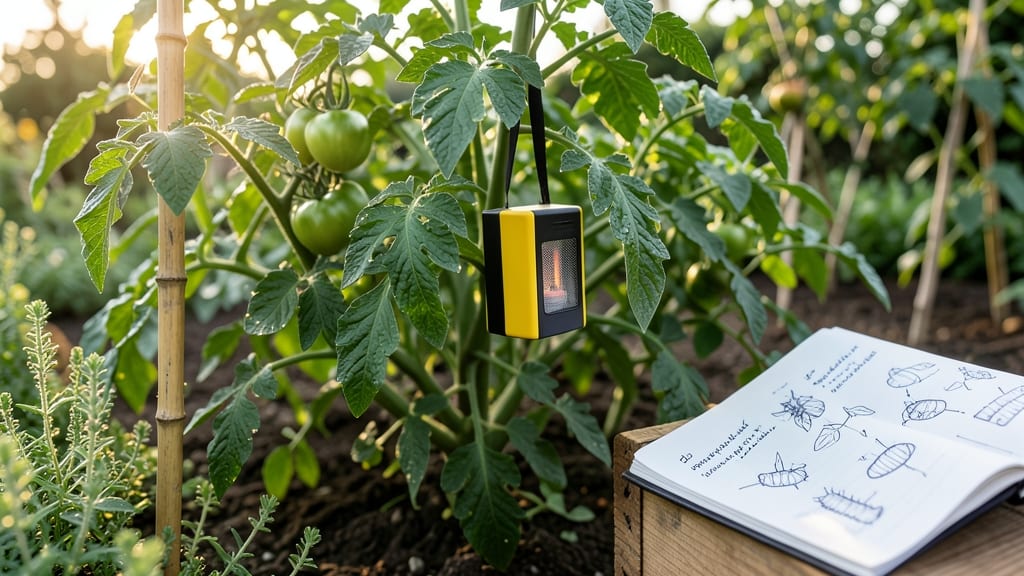
Tomato leaf worms can devastate your garden in days, but these 10 fast organic solutions offer immediate protection without harsh chemicals. Discover remedies that work for every stage of infestation and plant type.
Handpicking Worms with Soapy Water Spray
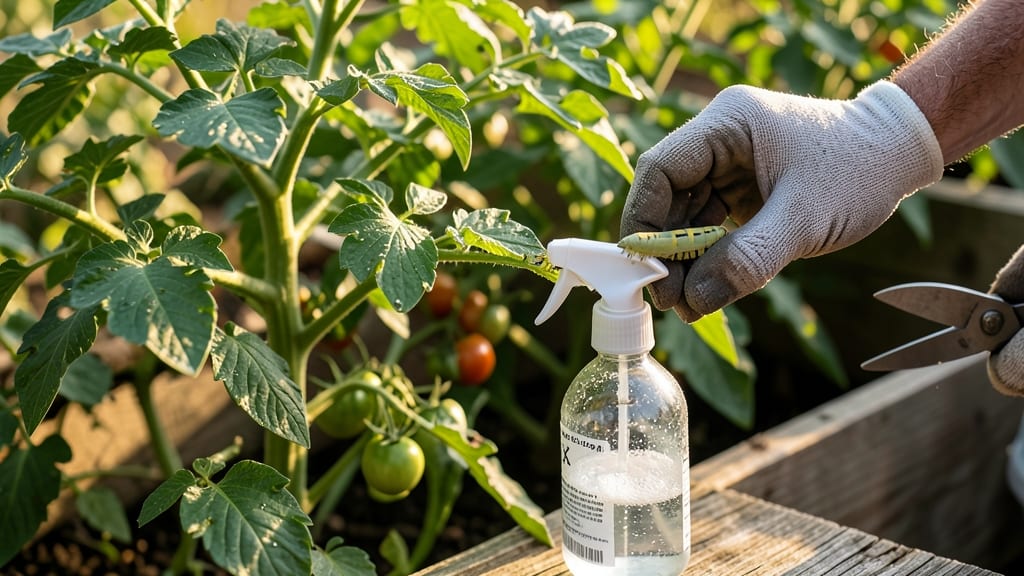
When you spot just a few tomato leaf worms munching on your plants, don’t wait—act fast. Handpicking with a soapy water spray is the most effective way to stop small infestations before they spiral out of control, giving you instant results without chemicals.
Fill a spray bottle with 1 teaspoon of mild dish soap per quart of water, then gently mist the worms as you remove them with gloved hands. The soap disrupts their protective coating, killing them on contact. For extra protection, reapply the spray to the leaves afterward to deter any lingering eggs. This method is safe for plants and works best in the early morning when worms are most active.
Perfect for gardeners who prefer hands-on solutions, this approach is especially useful for small gardens or container plants where you can monitor leaves closely. It’s also the fastest way to see results—your plants will look healthier within hours. 💪
Neem Oil Spray for Long-Term Prevention
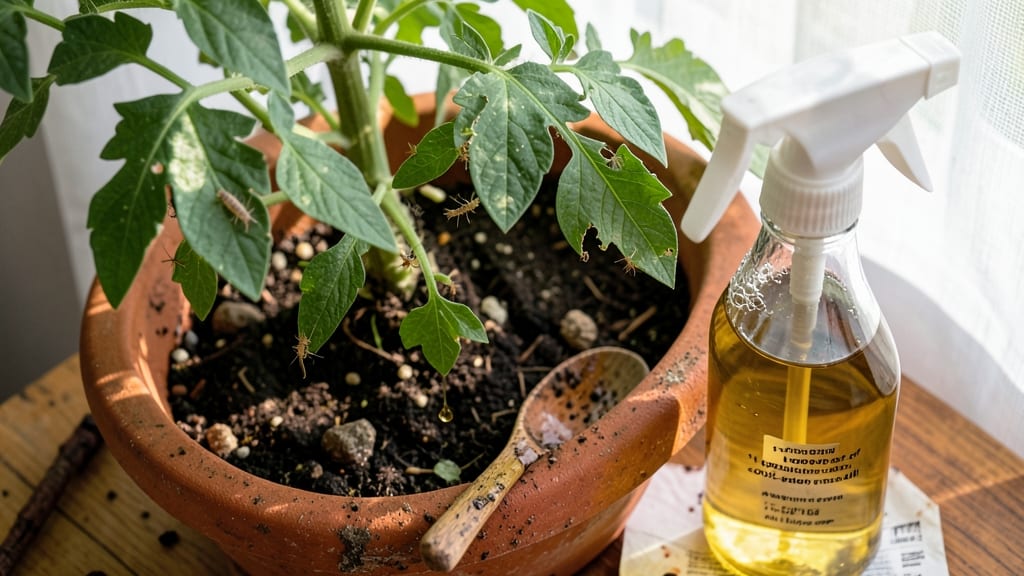
Tired of battling tomato leaf worms only to see them return after a few weeks? Neem oil spray doesn’t just kill existing pests—it disrupts their life cycle and builds your plants' natural defenses over time.
Mix 1 tablespoon of 100% cold-pressed neem oil with 1 teaspoon of mild liquid soap and 1 quart of water. Spray thoroughly on both leaf surfaces and soil at dusk to avoid harming bees. Reapply every 7-14 days during active worm seasons, and always use protective gloves. The oil’s azadirachtin compound confuses worms and prevents egg-laying while also fighting fungal diseases like early blight.
This is the secret weapon for gardeners who want long-term protection without synthetic chemicals. 💚
Diatomaceous Earth Barrier Treatment
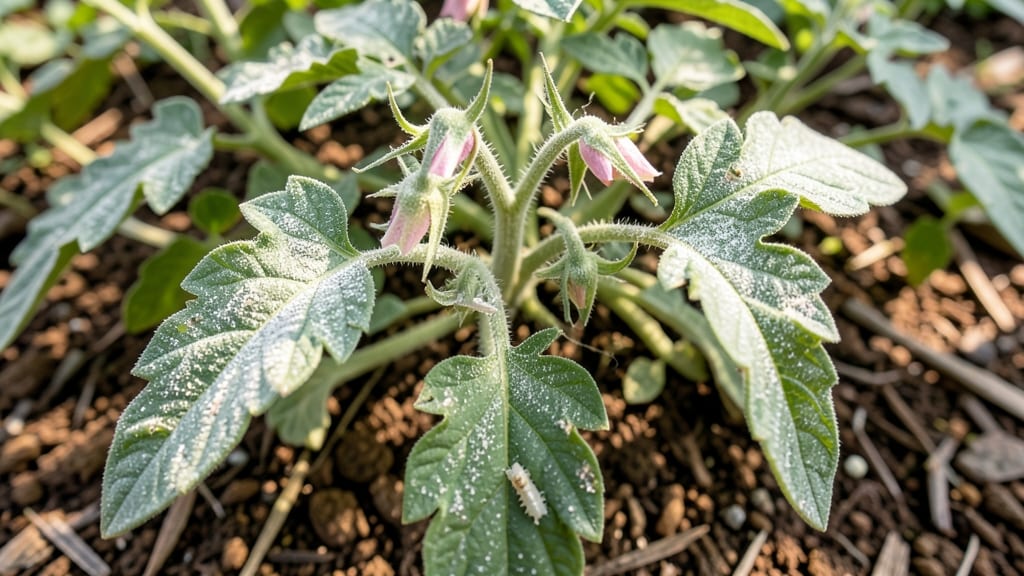
Tired of chemical sprays that leave residues and harm beneficial insects? Diatomaceous earth (DE) is your secret weapon—a natural, non-toxic powder that creates a protective barrier around your tomato plants by dehydrating tomato leaf worms on contact.
Simply sprinkle a thin layer of food-grade DE around the base of your plants and on foliage, ensuring it stays dry for maximum effectiveness. Reapply after rain or watering, as moisture reduces its potency. This method works best in warm, dry conditions and provides residual protection for weeks, making it perfect for organic gardeners.
Whether you're growing tomatoes in raised beds or containers, DE is safe for pets and children once settled, offering peace of mind while keeping your plants thriving. 🌱
Bacillus Thuringiensis (Bt) Spray
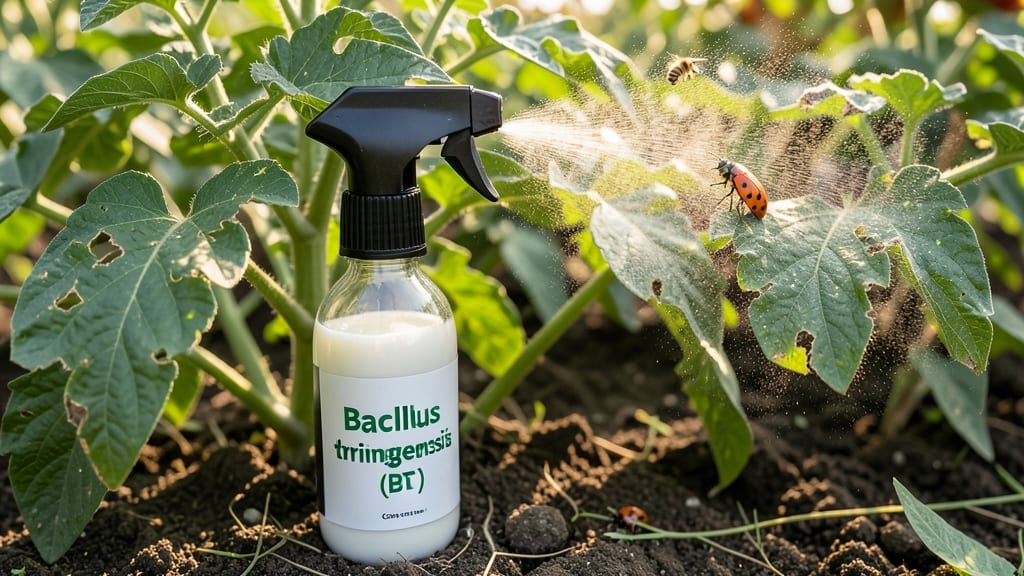
When you spot tomato leaf worms munching on your plants, you need a solution that works fast—but not one that harms bees, ladybugs, or other garden helpers. Bacillus thuringiensis (Bt) spray is the precision tool for organic gardeners, targeting only caterpillar larvae while keeping your ecosystem safe.
This microbial pesticide contains natural bacteria that produce proteins toxic to caterpillar larvae (including tomato leaf worms) when ingested. Simply mix the powder with water and spray directly on leaves where worms feed. Results appear within 24-48 hours, and it’s safe to use up to harvest day. Reapply every 7-10 days or after rain for continuous protection.
Perfect for gardeners who prioritize pollinator safety and want a chemical-free approach, Bt spray is especially effective in container gardens or small plots where worms spread quickly. 🌿
Row Covers for Physical Protection
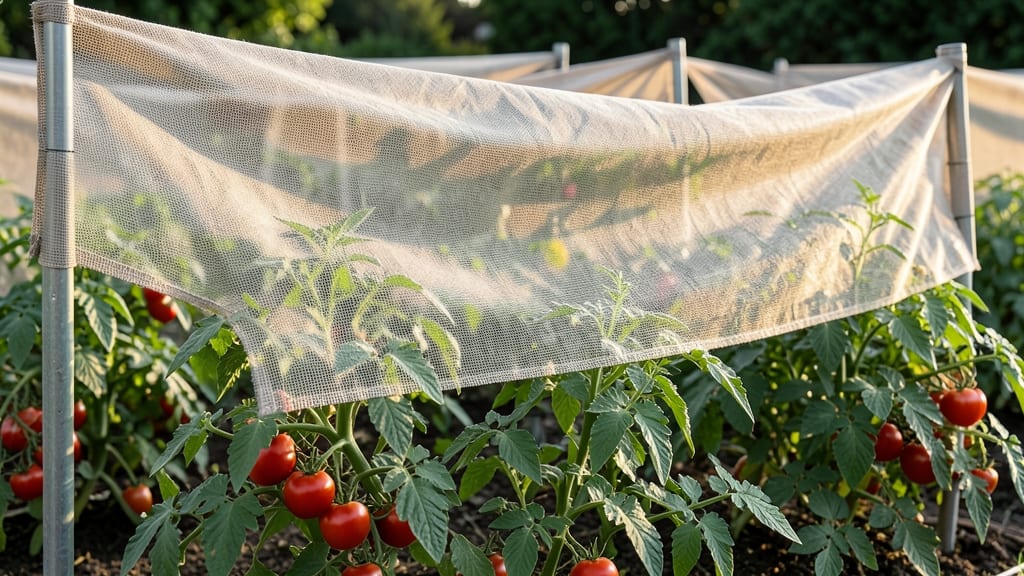
When tomato leaf worms strike your garden like a surprise storm, row covers act as an instant shield—blocking moths before they lay eggs. This mechanical barrier is your first line of defense, especially for large plots or early-season planting when worms are most active.
Lightweight, breathable fabric (like floating row covers) lets sunlight and water through while trapping adult moths outside. Secure edges with soil or weights to prevent gaps, and remove covers during flowering to allow pollination. For year-round protection, use heavyweight fabric in cooler months.
Perfect for organic gardeners or those with limited time, row covers require no chemicals and work immediately. They’re especially valuable for large gardens where manual solutions like handpicking become impractical. 🌱
Garlic and Chili Pepper Spray

When tomato leaf worms start munching on your plants, reach for ingredients you already have—garlic and chili peppers can create a powerful, homemade repellent that actually strengthens your tomatoes too.
Blend 3-4 cloves of garlic with 1-2 chopped chili peppers (like jalapeño or cayenne) into a paste, then mix with 1 quart of water and a teaspoon of mild soap. Strain through cheesecloth and spray directly on leaves, avoiding flowering stages. The pungent aroma deters worms while the diluted solution provides trace nutrients. Reapply every 5-7 days or after rain for best results.
This remedy is perfect for gardeners who prefer non-toxic solutions that won’t harm bees or other beneficial insects. Plus, it’s a great way to use up garden scraps while giving your plants a little extra boost! 🌻
Beneficial Nematodes Soil Treatment
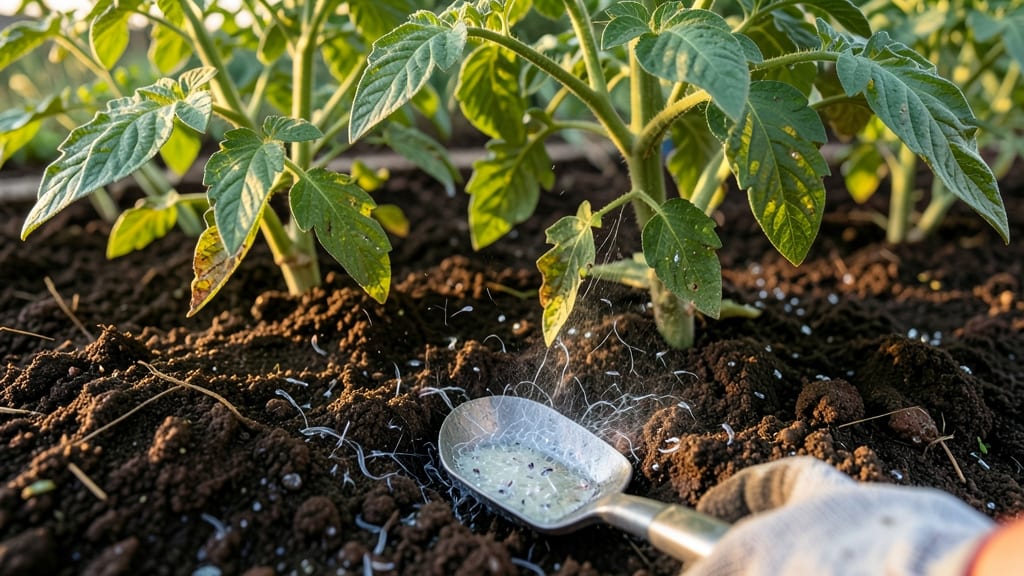
Fighting tomato leaf worms from the ground up? Beneficial nematodes offer a hidden but powerful weapon—these microscopic allies hunt and kill worm larvae before they even hatch. Unlike surface treatments, they target the problem at its source, in the soil.
Apply these tiny predators during warm, moist conditions (60-85°F) by mixing them with water and pouring around plant bases. They thrive in organic matter-rich soil and multiply naturally, providing residual protection for up to 60 days. Best for gardeners who want a long-term, chemical-free solution without frequent reapplication.
This method is especially valuable for raised beds and container gardens, where soil can be precisely managed. Perfect for organic gardeners who prefer prevention over reaction! 💚
Beauveria Bassiana Fungal Spray
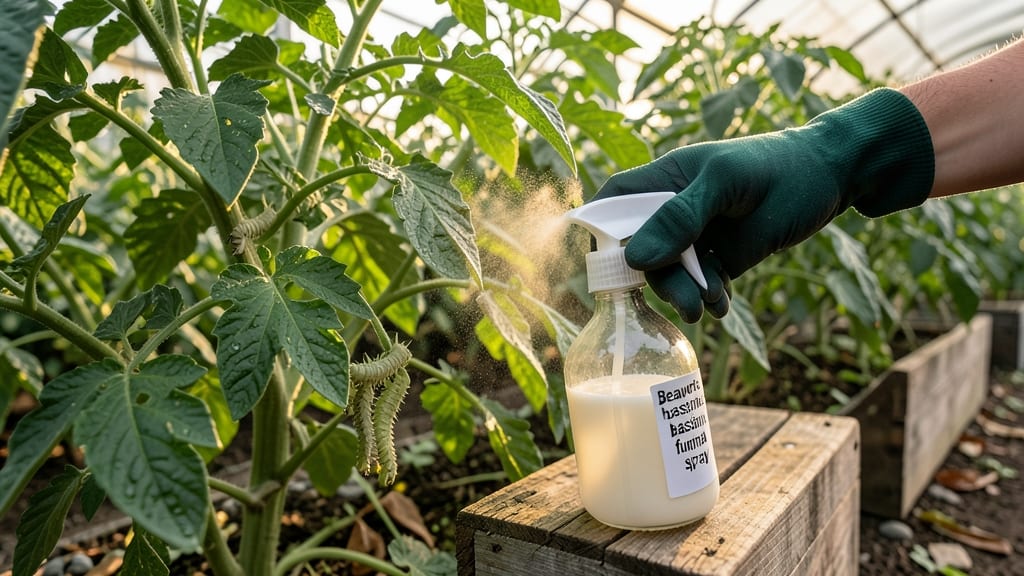
If your garden thrives in humidity but struggles with persistent tomato leaf worm infestations, Beauveria bassiana fungal spray is your secret weapon. This natural pathogen targets worms directly, breaking their life cycle without leaving chemical residues behind.
Apply the spray in the evening when humidity is highest, ensuring the fungal spores stick to worms and infect them within 24-48 hours. Unlike other organic treatments, it works best in damp conditions, making it ideal for greenhouse gardens or regions with frequent misting. Reapply every 7-10 days during active worm seasons for continuous protection.
Perfect for gardeners who prioritize chemical-free solutions and want to leverage their local climate, this spray is especially effective in tropical or coastal areas. 💚
Companion Planting with Basil
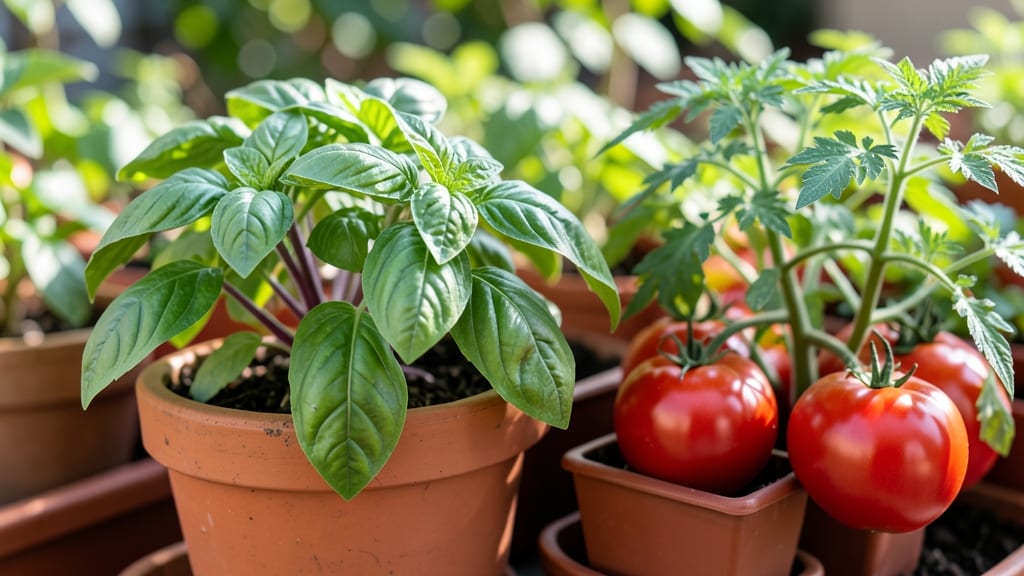
Small-space gardeners, rejoice! Basil isn’t just a kitchen staple—it’s a powerhouse companion plant that naturally repels tomato leaf worms while boosting your harvest’s flavor. The aromatic oils in its leaves confuse and deter pests, making it a perfect partner for container-grown tomatoes.
Plant Genovese or Sweet basil near your tomatoes, ensuring they receive 6-8 hours of sun daily. The close proximity also enhances the tomatoes’ sweetness, thanks to basil’s natural chemical compounds. For maximum effect, interplant basil every 12-18 inches around tomato stems or tuck it into the same container.
This low-maintenance duo thrives in shared pots or small garden beds, making it ideal for balconies and urban plots. Plus, you’ll enjoy fresh basil for cooking while keeping worms at bay—nature’s pest control in one package! 🌱
Pheromone Traps for Monitoring

Want to catch tomato leaf worm infestations before they destroy your plants? Pheromone traps are your secret weapon for early detection, giving you time to deploy other organic remedies before the damage starts.
These traps use synthetic female moth pheromones to lure male moths, reducing mating success by up to 90%. Hang them near your tomato plants in early spring (before moths emerge) and check weekly—captured moths signal it's time to act. They’re reusable, chemical-free, and work alongside other solutions like Bt spray or neem oil for comprehensive control.
Perfect for gardeners who want to stay ahead of pests without constant monitoring, these traps are especially useful in large gardens or areas with recurring infestations. 🌱