
How To
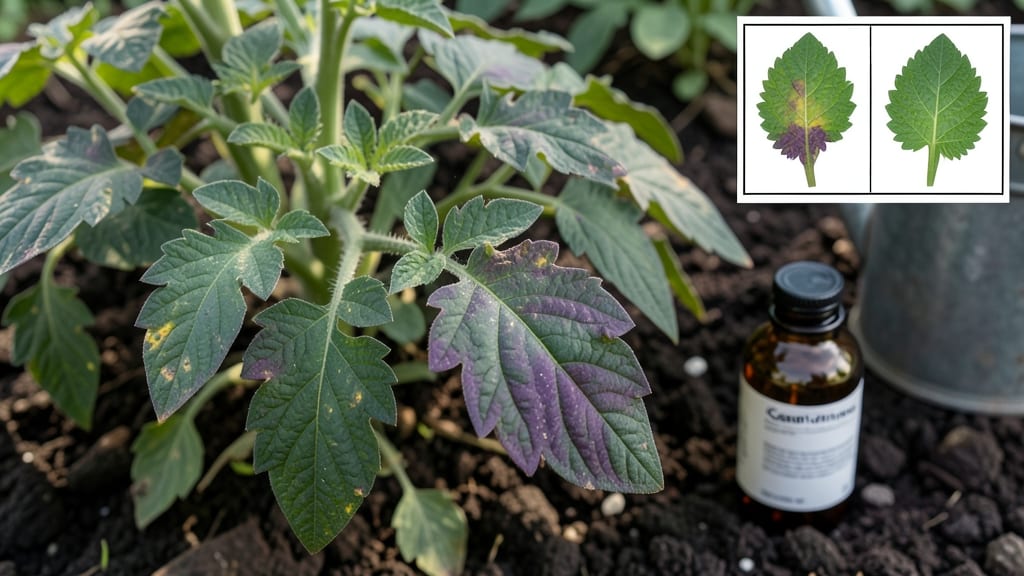
Your tomato leaves turning purple isn’t just unsightly—it’s a cry for help from your plants. 🌱 I’ve watched this issue ruin harvests before, but the fix is simpler than you think, especially when it’s a calcium deficiency.
The good news? You can reverse it in just a few focused steps, and your plants will bounce back with stronger stems and healthier fruit.
The most common culprits are calcium imbalance, cold stress, or even overwatering that washes nutrients away. I’ve seen phosphorus overload cause similar symptoms, but calcium deficiency is the most fixable. Start by checking your soil pH—it should be between 6.0 and 6.8 for tomatoes.
If it’s off, a simple soil test kit (available for under $20) will tell you exactly what’s missing.
Within a week of adjusting your soil with crushed eggshells or a calcium supplement, you’ll notice new growth returning to normal green. The key is consistency: spread applications over three weeks, not all at once. Your plants will reward you with firmer fruit and fewer cracked tomatoes by harvest time.
This works for both container and in-ground tomatoes, and the same principles apply whether you’re growing heirlooms or hybrids. The only difference? Containers need more frequent monitoring since they dry out faster. Let’s get those leaves back to vibrant green!
Root Causes Behind Purple Leaves
Tomato leaves turning purple isn’t just a cosmetic quirk—it’s often a cry for help from your plants. Understanding the why behind this color shift is the first step to saving your harvest.
Below, we break down the most common culprits, from soil chemistry to environmental stress, with actionable science to guide your fixes.
When tomato leaves turn purple—especially along the older leaves, stems, or between veins—calcium deficiency (also called blossom end rot in fruits) is usually the villain. Here’s why it happens:
- Poor Soil Calcium Availability: Even if your soil has calcium (like limestone or gypsum), tomatoes can’t absorb it efficiently if: - pH is too high (>7.0) – Calcium binds tightly to soil particles, locking it away from roots. - Magnesium or Potassium Overload – These nutrients compete with calcium for uptake, starving your plants. - Dry Soil Conditions – Calcium moves passively through the plant (via water flow).
When soil dries out, roots can’t deliver enough to new growth.
- Rapid Growth Strain: Young, fast-growing plants (or those flush with nitrogen) outpace calcium uptake, leading to purple edges or stunted leaves.
🔍 Quick Test: Scratch a leaf’s purple area—if it’s brittle or dead, calcium deficiency is likely. Healthy tissue should feel firm.
Phosphorus is the "middleman" nutrient—it helps plants use calcium, but too much (or too little) throws everything off balance.
- Excess Phosphorus: High-P fertilizers (like bone meal) can block calcium absorption, causing purple discoloration, especially in young leaves or stems.
- Low Phosphorus: While rare, severe deficiency can also trigger purple hues as plants struggle to metabolize energy.
📊 Soil Test Tip: Aim for a phosphorus-to-calcium ratio of 1:3 to 1:5 in your soil. If your soil test shows P levels >100 ppm, flush the soil with water to reduce buildup.
Tomatoes are tropical plants—when temperatures swing below 50°F (10°C) or above 95°F (35°C), they can’t absorb nutrients properly, leading to purple leaves.
- Cold Stress: Low temps slow root activity, reducing calcium uptake. Purple appears on older leaves first (a sign of nutrient redistribution from dying tissue). - Heat Stress: High temps increase transpiration (water loss), but roots can’t keep up with calcium delivery.
New leaves may show purple veins or mottling.
🌡️ Pro Fix: Use row covers in cold snaps or shade cloth in extreme heat. Mulch with straw to stabilize soil temps.
Tomatoes thrive in slightly acidic soil (pH 6.0–6.8). Outside this range, nutrient availability (especially calcium) plummets.
- High pH (>7.0): Calcium becomes insoluble, forming hard compounds roots can’t access. Purple leaves often pair with stunted growth.
- Low pH (<5.5): While rare, excessive acidity can leach calcium from the soil, mimicking deficiency symptoms.
💡 pH Fix: Test your soil and amend with:
- Lime (calcium carbonate) for high pH.
- Elemental sulfur or peat moss for low pH.
Sometimes, purple isn’t a nutrient issue—it’s a sign of distress from invaders:
- Verticillium or Fusarium Wilt: Fungal diseases clog a plant’s xylem vessels (the calcium highway), causing purple-black streaks in stems and veins.
- Aphids or Spider Mites: These sap-suckers disrupt nutrient flow, leading to purple or yellowed leaves, especially on new growth.
🕵️♂️ Detective Work: Check for:
- Wilted or drooping stems (disease).
- Sticky residue (aphids) or fine webbing (mites).
If your tomato plants suddenly show purple after transplanting, root trauma is likely the culprit.
- Disturbed Roots: Digging or repotting can sever fine root hairs, reducing calcium absorption for weeks.
- Overwatering: Waterlogged soil suffocates roots, cutting off nutrient delivery. Purple leaves may appear within 3–5 days of poor drainage.
🚿 Fix It Fast: Let soil dry slightly between waterings and avoid deep watering until roots recover (2–3 weeks).
Fix Purple Tomato Leaves Fast
When your tomato plants start showing off those unsightly purple hues, don’t panic—there’s a cure! The good news is that most causes of purple leaves are reversible with simple adjustments.
Below, we’ve mapped out practical fixes for each root cause, plus prevention tips to keep your plants thriving. Let’s get those leaves back to their vibrant green in no time!
Purple leaves often signal a calcium shortage, especially in young or rapidly growing plants. Here’s how to restore balance:
🍳 Step 1: Apply Calcium-Rich Amendments
Add crushed eggshells, bone meal, or gypsum to the soil around the base of the plant.
These are packed with calcium and dissolve slowly, giving your tomatoes a steady supply. - Pro tip: 💡 Mix 1 cup of crushed eggshells into the top 2 inches of soil per plant. Water well to help absorption.
👨🍳 Step 2: Use a Foliar Spray for Quick Relief
For faster results, whip up a calcium foliar spray: 1. Dissolve 1 tbsp of calcium nitrate or Epsom salt in 1 gallon of water.
- Spray the undersides of leaves (where calcium is absorbed best) in the early morning or late evening. - Warning: ⏰ Avoid spraying in direct sunlight—it can scorch leaves!
🥘 Step 3: Adjust Watering for Better Uptake
Calcium absorbs best in slightly acidic to neutral soil (pH 6.0–7.0). Test your soil’s pH with a kit, and amend with lime if it’s too acidic.
Also: - Water deeply but infrequently to encourage strong root growth (shallow watering leads to calcium deficiencies). - Avoid overhead watering—wet leaves can develop fungal issues.
Purple leaves can also mean your tomatoes are too cold or too hot. Here’s how to protect them:
🏠 Step 1: Provide Seasonal Shelter
- Cold snaps? Cover plants with frost cloth or move potted tomatoes indoors temporarily.
- Heatwaves? Use shade cloth (30–50%) to block intense midday sun. Mulch with straw to keep roots cool.
🌡️ Step 2: Monitor Soil Temperature
Tomatoes thrive in soil temps between 60–85°F (15–29°C). If your soil is too cold (below 50°F/10°C), roots can’t absorb nutrients properly.
- Quick fix: 🌡️ Bury a soil thermometer and adjust watering/mulching to stabilize temps.
🌿 Step 3: Choose Heat-Tolerant Varieties
If purple leaves recur in summer, switch to heat-resistant tomatoes like ‘Heatmaster’ or ‘Solar Fire’ for future seasons.
Too much fertilizer (especially nitrogen-heavy or synthetic blends) can burn roots and cause purple discoloration.
💦 Step 1: Leach the Soil
Water the plant deeply for 10–15 minutes to flush out excess salts and fertilizers. Repeat 2–3 times over a week.
🌱 Step 2: Switch to Organic Fertilizers
Replace synthetic fertilizers with balanced organic options like:
- Compost tea (rich in microbes that improve nutrient uptake).
- Fish emulsion or worm castings (gentle on roots, packed with micronutrients).
- Avoid: High-nitrogen fertilizers (like blood meal) if purple leaves persist.
🔄 Step 3: Prune Damaged Leaves
Trim severely purple or yellowed leaves to redirect energy to healthy growth. Use sterilized scissors and cut just above a leaf node.
Once you’ve fixed the issue, keep it from happening again with these long-term strategies:
- 📊 Test Soil Regularly
- Check calcium, magnesium, and pH levels every season. Aim for:
- Calcium: 1,000–3,000 ppm.
- pH: 6.0–7.0 (slightly acidic to neutral).
- Check calcium, magnesium, and pH levels every season. Aim for:
- 💪 Use Mulch to Lock in Moisture
- Straw or wood chips retain soil temperature and reduce evaporation, helping roots absorb calcium efficiently.
- 🌱 Plant Companion Crops
- Grow basil, marigolds, or borage nearby—they deter pests and improve soil health, reducing stress on tomatoes.
- 🍅 Rotate Crops Annually
- Avoid planting tomatoes in the same spot year after year to prevent nutrient depletion.
- 🌱 Start with Healthy Seedlings
- Buy disease-resistant varieties from reputable nurseries, and harden off seedlings gradually before transplanting.
Purple leaves might look alarming, but with the right fixes, your tomato plants will bounce back in 2–4 weeks. Keep an eye on them, adjust as needed, and soon you’ll be harvesting juicy, vine-ripened tomatoes instead of worrying about color changes!
Need a visual guide? Check out our [step-by-step infographic] (link placeholder) for a quick reference on calcium treatments and soil amendments. 🚀
Frequently asked questions
Why do my tomato leaves turn purple first on the older ones?
Older leaves show purple first because your plant is mobilizing nutrients from dying tissue to support new growth. This is especially common with calcium deficiency or cold stress, where the plant prioritizes feeding younger leaves. Check for brittle texture—if the purple areas crumble easily, calcium deficiency is likely.
Can I fix purple leaves if my tomatoes are already flowering?
Yes, but act quickly! While established plants can recover, flowering stages need calcium most critically to prevent blossom end rot. Focus on foliar sprays with calcium nitrate (1 tbsp per gallon) and deep watering every 2-3 days. Avoid high-nitrogen fertilizers—they’ll worsen the imbalance.
Is it safe to eat tomatoes from plants with purple leaves?
The fruit itself is usually safe, but quality suffers. Purple leaves often mean calcium deficiency, which causes blossom end rot (black bottoms on tomatoes). While not toxic, affected fruit has poor texture. Fix the soil first—aim for 1,000-3,000 ppm calcium and pH 6.0-6.8 for next season’s harvest.
How long until I see results after adding calcium?
With foliar sprays, you may see new green growth in 3-5 days. For soil amendments like crushed eggshells, expect 2-3 weeks as roots reabsorb calcium. Monitor soil moisture—dry conditions block calcium uptake. Water deeply but infrequently (every 2-3 days) for best results.
Could my purple leaves be from too much phosphorus?
Excess phosphorus (common with bone meal) blocks calcium absorption, causing purple stems and young leaves. Test your soil—if phosphorus exceeds 100 ppm, flush the soil with water for a week. Switch to low-P fertilizers (like fish emulsion) and focus on calcium-rich amendments instead.