
How To
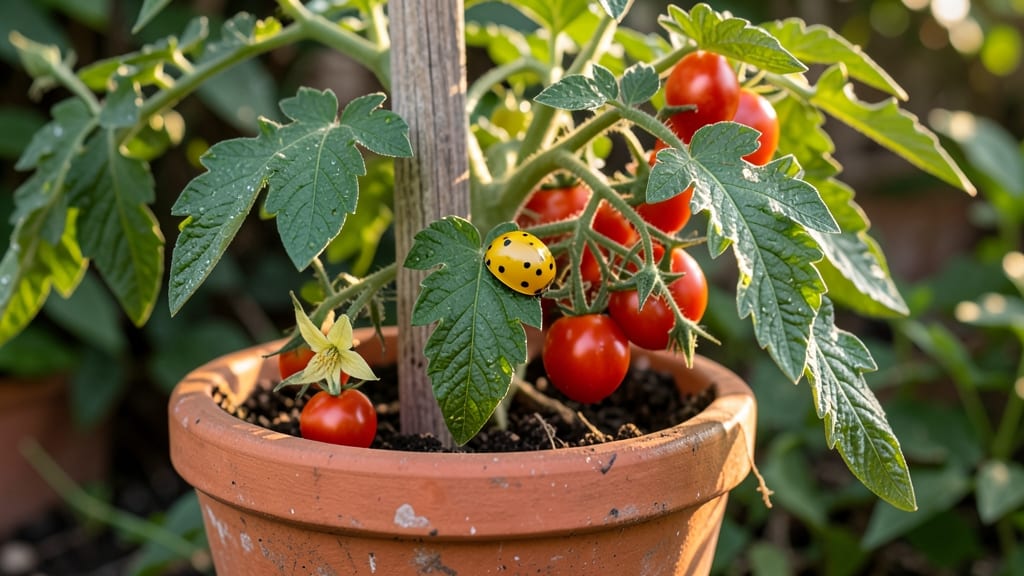
Tomato leaves turning brown can feel like a death sentence for your harvest—until you learn the copper spray trick that saved my late-season plants from total collapse. 🌱 The key isn't just treating the symptoms but stopping the spread before it reaches your fruit.
I've battled this every summer since moving to Zone 7, and now I've got a three-step system that works even when store-bought sprays fail.
Most brown leaves come from either fungal diseases like early blight (those concentric rings on leaves) or environmental stress (like overwatering that turns edges crispy). The copper spray isn't just a last resort—it's my first line of defense because it kills spores before they take hold.
You'll need basic supplies: copper fungicide, a sprayer, and a quiet afternoon to apply it when leaves are dry but humidity is still high.
Within a week of proper treatment, you'll see new growth pushing through, and the brown patches will stop spreading. The best part? Your tomatoes won't absorb copper like they would chemical fungicides, so you can keep harvesting safely. This method works even on heirloom varieties that store-bought sprays often miss.
Prevention starts with spacing plants for airflow and watering at the base—not overhead. I also rotate crops yearly to break disease cycles. Here's how to diagnose your specific problem and treat it before it ruins your season.
Root Causes Behind Browning Leaves
If your tomato plants are showing signs of browning leaves, it’s often a cry for help from the plant itself. Understanding the underlying causes is the first step to reviving your garden.
Below, we break down the most common reasons why tomato leaves turn brown—and what’s really going on in your soil, air, or plant structure.
🌡️ Environmental Stress: Too Much or Too Little Water
Tomatoes are sensitive to hydration extremes, and both overwatering and underwatering can trigger browning leaves. Here’s how:
- Overwatering: Soggy soil cuts off oxygen roots need, leading to root rot (often caused by fungi like Phytophthora). Brown, crispy edges on lower leaves are a red flag—check soil moisture by sticking your finger 1–2 inches deep. If it’s damp, scale back.
- Underwatering: Leaves may curl, wilt, and turn brown at the edges as the plant conserves moisture. Pro tip: Water deeply at the base (not overhead) in the morning to prevent fungal spores from splashing onto leaves. 💡
- Temperature swings: Sudden heat (above 90°F) or cold drafts (below 50°F) can scorch leaves. Browning often starts on exposed upper leaves first.
🍄 Fungal Infections: The Silent Leaf Destroyers
Fungal diseases like early blight (Alternaria solani) and late blight (Phytophthora infestans) are notorious for causing brown, concentric ring spots or greasy-looking lesions on leaves. Here’s why they thrive:
- High humidity + poor airflow: Fungi spread via spores in damp conditions. Crowded plants or thick foliage trap moisture, creating a fungal buffet. 🌡️ Fix: Space plants 18–24 inches apart and prune lower leaves to improve airflow.
- Contaminated tools or soil: Reusing pruners or planting in infected soil replants the problem. Action: Sterilize tools with 70% isopropyl alcohol and rotate crops annually.
- Late blight’s aggressive spread: This fungal pathogen (famous for the Irish potato famine) causes rapid browning and can destroy a plant in days. It thrives in temperatures between 60–75°F and high humidity.
🐛 Pests: The Tiny Leaf Vampires
Insects like hornworms, aphids, and spider mites don’t just eat leaves—they leave behind a trail of brown, skeletonized or speckled foliage. Here’s how to spot them:
- Hornworms: These green caterpillars with white stripes devour leaves overnight, leaving behind large, irregular brown holes. Look for frass (poop) and shed skins. 🐛
- Spider mites: Tiny yellow or brown speckles on the undersides of leaves are their feeding marks. Severe infestations cause leaves to bronze and crisp.
- Aphids: Clusters of these sap-sucking pests curl leaves and excrete sticky honeydew, which fosters sooty mold (a black fungal growth).
🌱 Nutrient Deficiencies: Starving Your Tomatoes
Brown leaves can signal a lack of essential nutrients, often misdiagnosed as disease. Here’s what to watch for:
| Nutrient Deficiency | Brown Leaf Symptoms | Quick Fix |
|---|---|---|
| Magnesium (center of chlorophyll) | Brown spots between leaf veins (interveinal chlorosis) | Apply Epsom salt (1 tbsp per gallon of water) every 2 weeks. |
| Potassium (osmotic regulation) | Brown edges or tips (especially on older leaves) | Use a potassium-rich fertilizer (like banana peel tea or greensand). |
| Nitrogen (leaf production) | Overall yellowing (chlorosis) with brown, crispy edges | Add compost or blood meal to the soil. |
Pro tip: Test your soil with a home kit to confirm deficiencies before guessing. 🎯
🧪 Chemical Damage: Overdoing the Good Stuff
Sometimes, the cure becomes the problem. Over-fertilizing (especially with nitrogen) or using harsh chemicals can burn leaves, causing brown patches:
- Fertilizer burn: Excess salts in soil (from synthetic fertilizers) disrupt water uptake, leading to brown, crispy leaf margins. Fix: Flush soil with water and switch to organic, slow-release fertilizers.
- Herbicide drift: Wind can carry glyphosate or other herbicides onto tomato leaves, causing brown, bleached spots within hours. Action: Use a physical barrier (like cardboard) if spraying nearby.
- Hard water buildup: High calcium/magnesium in tap water can leave brown crust on soil and leaves. Solution: Use rainwater or distilled water for watering.
Fixing Brown Tomato Leaves Fast
Reviving your tomato plants starts with identifying the root cause—but once you know what’s ailing them, action is simple. Below, we’ve mapped out practical, step-by-step fixes for each common issue, plus prevention tips to keep your plants thriving.
No complicated chemistry here—just tried-and-true solutions to get those leaves lush and green again.
Fix: Copper-based sprays are your first line of defense. These fungal diseases love damp conditions, so act fast to stop the spread.
- 🍳 Mix Your Copper Spray
- Use 1 tablespoon of copper fungicide (like copper sulfate or Bordeaux mixture) per gallon of water.
- Pro tip: Add 1 teaspoon of baking soda to boost effectiveness (but test on a few leaves first to avoid burns).
- 👨🍳 Apply at the Right Time
- Spray early in the morning or late afternoon when the sun isn’t scorching.
- Focus on undersides of leaves (where spores hide) and stems.
- ⏰ Schedule Like a Pro
- Spray every 7–10 days until new leaves emerge without spots.
- Prevention: Space plants 2–3 feet apart for airflow and remove lower leaves to reduce humidity near soil.
Fix: Too much sun? Your tomatoes are basically getting a sunburn. Shade and hydration are key.
- 🌿 Provide Temporary Shade
- Use floating row covers or shade cloth (30–50%) during peak afternoon sun (12–4 PM).
- Quick fix: Drape a light-colored sheet over plants if you’re in a heatwave.
- 💦 Water Deeply and Often
- Water early in the day (before 10 AM) to let foliage dry.
- Aim for 1–1.5 inches of water per week (check soil moisture—don’t let it dry out).
- Pro tip: Use mulch (straw or grass clippings) to retain moisture and cool roots.
- ✨ Adjust Plant Placement
- Move pots to partial shade if possible.
- For in-ground plants, prune lower leaves to reduce heat exposure.
Fix: Soggy soil = fungal feasts and root rot. Drainage and spacing are your allies.
- 🔪 Check Your Soil
- Stick your finger 2 inches deep—if it’s damp, wait to water.
- Test your soil: Squeeze a handful—if it forms a tight ball, it’s too compacted.
- 🌱 Improve Drainage Fast
- For pots: Add a layer of perlite or coarse sand to the bottom before repotting.
- For garden beds: Mix in compost or sand to loosen soil.
- Prevention: Plant tomatoes in raised beds if your soil drains poorly.
- 🚫 Adjust Watering Habits
- Water only when the top inch of soil is dry.
- Use a drip irrigation system (not overhead sprinklers) to keep leaves dry.
Fix: These tiny critters suck sap and leave brown, crunchy leaves. Knock them out with natural sprays.
- 💡 Blast Them Off
- Neem oil spray (1 tbsp neem oil + 1 tsp mild soap + 1 quart water) works wonders.
- Spray every 5–7 days until pests vanish.
- 🌿 Encourage Beneficial Bugs
- Plant marigolds or basil nearby to attract ladybugs (natural predators).
- Quick fix: Hose down leaves with water to dislodge mites/aphids (do this in the morning).
- 🎯 Prevent Future Infestations
- Prune heavily infested leaves and dispose of them (don’t compost!).
- Avoid over-fertilizing with nitrogen—it attracts pests.
Fix: Brown edges or yellowing between veins? Your plants might be hungry for key minerals.
- 📊 Test Your Soil (or Guess Smart)
- Potassium deficiency? Use wood ash (sprinkle lightly around the base).
- Magnesium deficiency? Apply Epsom salt (1 tbsp per gallon of water, spray on leaves).
- 💪 Feed Them Right
- Switch to a balanced fertilizer (10-10-10) or tomato-specific feed with potassium.
- Prevention: Side-dress plants with compost every 3–4 weeks.
- 🍎 Monitor and Adjust
- If new leaves stay brown, flush the soil with water to avoid salt buildup from fertilizers.
💡 Final Pro Tip: Keep a plant journal! Note when you water, fertilize, or spray—patterns will help you spot issues faster next season. With these fixes, your tomato plants will be back to their vibrant selves in no time! 🍅✨
Frequently asked questions
Why do tomato leaves turn brown in patches with yellow rings?
Those concentric brown rings with yellow halos are classic signs of early blight, a fungal disease that thrives in warm, humid conditions. The fungus spreads through water splashing on leaves, so prune lower foliage to improve airflow and apply a copper fungicide spray every 7-10 days. Remove infected leaves immediately to stop the spread.
Can I still harvest tomatoes if the leaves are turning brown?
Yes, but focus on ripe tomatoes already on the plant—new fruit may be affected if the disease is fungal. Harvest green tomatoes and ripen them indoors to avoid spreading spores. For nutrient deficiencies or pest damage, you can continue harvesting as long as the plant isn't completely stressed.
What's the difference between brown leaves from overwatering vs. underwatering?
Overwatered plants show brown, crispy edges on lower leaves with yellowing between veins, often accompanied by a foul smell from root rot. Underwatered plants have dry, brown edges curling inward while the center stays green. Check soil moisture—if it's soggy, cut back; if dry, water deeply at the base.
Will baking soda really help with brown tomato leaves?
Yes! A mix of 1 teaspoon baking soda + 1 quart water + a few drops of dish soap creates a mild fungicide that prevents fungal spores from taking hold. Spray on leaves in the early morning when they're dry, but avoid using it if you've already applied copper fungicide (they can react). Reapply every 7-10 days during humid conditions.
How do I know if my brown leaves are from pests vs. disease?
Look closely: Pests like hornworms leave large, irregular holes with frass (poop), while spider mites create tiny brown speckles on leaf undersides. Diseases show concentric rings (early blight) or greasy-looking spots (late blight). Check for insects first—if you find them, use neem oil spray; if not, treat for fungal issues.