
Vegetables
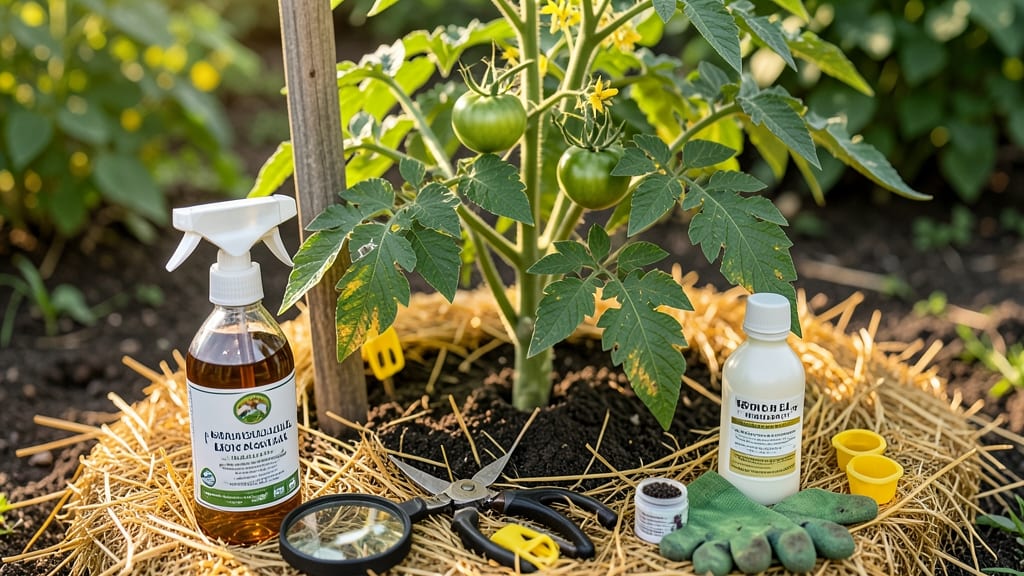
The tomato leaf miner treatment that actually works starts with a single, shocking discovery: those tiny white squiggles inside your leaves aren’t just cosmetic—they’re sucking the life out of your plants. 🌱 I’ve seen healthy tomatoes turn into skeletal husks in under a week, and I’m here to stop that from happening to you.
The good news? You can clear out these pests in 48 hours using simple, effective methods—no fancy chemicals required. Start by handpicking the larvae (yes, it’s gross but worth it) and then treat the plants with neem oil or soapy water sprays that suffocate the remaining eggs.
The key is acting fast before the damage spreads. By the end of two days, your leaves will look lush and green again, and your tomatoes will start recovering. The secret is consistency: check plants daily, remove infested leaves immediately, and keep beneficial wasps around—they’re the real pest control.
This works for organic gardens and conventional ones alike, but the organic approach is safer for pollinators and your family. Let’s get those miners out for good!
Root Causes of Tomato Leaf Miner
Understanding why tomato leaf miners wreak havoc on your plants is the first step to stopping them in their tracks. These tiny, destructive pests don’t just appear out of nowhere—they’re drawn to specific conditions that make your tomatoes an all-you-can-eat buffet.
Let’s break down the science behind their infestation and why your garden might be their favorite hangout.
Tomato leaf miners, scientifically known as Tuta absoluta or Liriomyza species, are opportunistic pests. They don’t randomly attack healthy plants—they go after the easy prey. When your tomato plants are stressed, their defenses weaken, making them irresistible to miners.
- Nutrient Deficiencies: Plants lacking essential nutrients like nitrogen, phosphorus, or potassium produce thinner, more vulnerable leaves.
A quick soil test can reveal imbalances—look for yellowing leaves (nitrogen deficiency) or stunted growth (phosphorus shortage). - Overwatering or Underwatering: Both extremes stress plants. Overwatering leads to root rot and fungal issues, while underwatering causes wilting and leaf drop.
Miners detect these signs and lay eggs on weakened foliage. - Poor Air Circulation: Crowded plants or dense foliage trap moisture, creating a humid microclimate that miners love.
This also slows down the plant’s ability to recover from damage. - Recent Trauma: If your plants have been pruned harshly, transplanted, or exposed to extreme temperatures, they’re more susceptible to attacks during their recovery phase.
Actionable Fix: Keep your tomatoes well-balanced with nutrients, water them consistently at the base (not overhead), and prune for airflow to reduce stress signals that attract miners.
Female leaf miners are master scouts. They don’t lay eggs randomly—they target young, tender leaves where larvae can burrow undetected. Their egg-laying strategy is all about survival of the fittest.
- Undersides of Leaves: Miners prefer the smooth, protected undersides of leaves because it shields their eggs from predators like ladybugs or parasitic wasps.
A single female can lay up to 250 eggs in her lifetime! - New Growth: Tomatoes produce new leaves and shoots regularly, and miners exploit this.
The softer, less developed tissue is easier for larvae to penetrate. - Warm, Humid Conditions: Eggs hatch fastest in temperatures between 70–85°F (21–29°C) with high humidity. Greenhouses or shaded areas create the perfect incubator.
Actionable Fix: Inspect leaves daily (especially undersides) and remove any eggs (tiny, white, and oval-shaped) with a damp cloth or soapy water. Reduce humidity with proper spacing and ventilation.
If your garden is a tomato-only zone, you’re basically rolling out the welcome mat for leaf miners. Monoculture (growing the same plant repeatedly in one area) removes natural diversity, which disrupts the ecosystem balance.
- No Natural Predators: Leaf miners have few enemies in a tomato-heavy garden.
Beneficial insects like parasitic wasps, lacewings, or predatory mites thrive in diverse environments but struggle when their food sources (other pests) are scarce. - Soil-Borne Invitations: Repeatedly planting tomatoes in the same spot exhausts soil nutrients and leaves behind pest-attracting residues from previous infestations. - Windborne Spread: Miners can hitch rides on the wind or even hop between plants on garden tools or clothing.
A single infested plant can contaminate an entire row in days.
Actionable Fix: Rotate crops yearly and interplant tomatoes with basil, marigolds, or onions—these repel miners and attract predator insects. Avoid planting tomatoes in the same family (Solanaceae) in successive years.
Leaf miners are highly sensitive to weather patterns. Certain conditions create the perfect storm for an infestation.
- Spring and Summer Peaks: Warm, dry spells speed up miner reproduction. A single generation can become dozens in weeks if unchecked. - Greenhouse Advantages: Controlled environments with consistent warmth and humidity accelerate miner life cycles.
Without natural checks, populations explode. - Late Plantings: Tomatoes planted too late in the season may not have time to harden off before miners arrive. Early-season miners get a head start on establishing colonies.
Actionable Fix: Monitor weather forecasts and use row covers in early spring to block adult miners. Avoid greenhouses in high-risk areas unless you’re using biological controls (like Trichogramma wasps).
Even if you treat an infestation, leftover eggs, larvae, or pupae in the soil or debris can reinfect your garden. Miners are persistent survivors.
- Old Plant Debris: Discarded tomato stems, leaves, or vines left in the garden harbor overwintering larvae or pupae.
These can emerge when new plants sprout. - Contaminated Tools: Pruners, stakes, or trellises used on infested plants can transfer eggs or larvae to healthy ones. - Compost Piles: If you compost tomato waste, heat may not always kill miner pupae, leading to a year-round reservoir of pests.
Actionable Fix: Clean up thoroughly—remove all plant debris and sterilize tools with a 10% bleach solution or rubbing alcohol. Avoid composting tomato waste unless you heat it to 140°F+ (60°C+) for weeks.
Quick Fixes for Tomato Leaf Miner Damage
Tomato leaf miners can turn your lush green plants into a sad, skeletonized mess—but don’t panic! With the right approach, you can reverse the damage fast and keep your tomatoes thriving.
Below, we’ve mapped out practical, step-by-step solutions based on the root cause of your problem, plus prevention tips to stop future invasions.
(The classic telltale signs of leaf miners!)
Fix It:
- 🍳 Handpick the Larvae (Best for Small Infestations)
- When: Early morning or evening (larvae are sluggish and easier to spot).
- How: Wear gloves and inspect leaves underneath (their favorite hiding spot!). Use a damp paper towel to gently scrape them off—drop them into soapy water to kill them.
- Pro Tip: 💡 Check undersides of leaves and new growth first. A magnifying glass helps if your eyes aren’t 20/20!
- 👨🍳 Yellow Sticky Traps (Lure & Trap Adult Flies) - Why? Adult leaf miners (tiny black flies) lay eggs on leaves, so trapping them reduces future larvae. - How: Hang yellow sticky cards near your tomato plants.
Replace every 3–5 days for maximum effectiveness. - Bonus: 🌡️ Place traps 1–2 feet above the plants—flies are drawn to yellow and get stuck!
- 🥘 Neem Oil Spray (Organic Larvicide & Repellent)
- Why? Neem oil smothers larvae and disrupts their life cycle while being safe for edible plants (use 24 hours before harvest).
- Recipe:
- Mix 1 tbsp neem oil + 1 tsp mild dish soap + 1 quart water.
- Spray both sides of leaves (focus on new growth) every 5–7 days until no more mines appear.
- Warning: ⚠️ Avoid spraying directly on flowers if bees are active (neem can harm them).
(Brown, crinkled, or holey leaves? Time for aggressive action!)
Fix It:
- ⏰ Prune & Destroy Infested Leaves
- How: Cut off heavily damaged leaves (especially lower ones) with sterilized scissors. Do NOT compost them—bag and trash them to prevent reinfestation.
- When: Do this first thing in the morning so the plant has time to recover before evening heat.
- 🌱 Kaolin Clay Barrier (Physical Shield) - Why? This white, clay-based spray coats leaves, making them unappealing to adult flies and harder for larvae to penetrate. - How: Mix 1–2 tbsp kaolin clay + 1 quart water + a drop of dish soap.
Spray evenly on leaves (avoid flowers). Reapply after rain. - Pro Tip: ✨ Works best as a preventive measure but can help slow new infestations.
- 🐞 Beneficial Nematodes (Underground Larvae Killer) - Why? These microscopic worms (like Steinernema carpocapsae) seek out and kill leaf miner larvae in the soil. - How: Apply 1–2 lbs per 100 sq ft of soil around the base of plants. Water thoroughly to activate them.
Best used at dusk for maximum effect.
(An ounce of prevention is worth a pound of cure!)
| Prevention Method | How to Do It | Best Time to Apply |
|---|---|---|
| 🌿 Row Covers | Use floating row covers (fine mesh) to block adult flies from laying eggs. | At planting or early season. |
| 🌱 Crop Rotation | Avoid planting tomatoes, peppers, or eggplants in the same spot for 3+ years. | Fall/winter (plan next year’s garden). |
| 🍅 Healthy Soil | Rich, well-draining soil = stronger plants that recover faster. Add compost and avoid over-fertilizing with nitrogen. | Spring planting season. |
| 🕯️ Light Traps | Place a white sheet with a blacklight near plants at night—flies are attracted and easy to squish. | Evenings in peak fly season (late spring/summer). |
| 🌱 Companion Planting | Basil, marigolds, or nasturtiums repel leaf miners. Plant near tomatoes! | At the same time as tomatoes. |
Final Pro Tip: 🎯 Monitor weekly—check both sides of leaves and new growth every 3–5 days. Early action = faster recovery and more tomatoes for your efforts!
Need a faster fix? Combine handpicking + neem oil + sticky traps for a 1–2 week turnaround. Your tomato plants will be back to lush and green in no time! 🍅✨
Frequently asked questions
How do I know if my tomato plant has leaf miners?
Look for tiny white squiggles inside leaves (larvae) or brown, crinkled trails where they’ve fed. Check undersides of leaves first—their favorite hiding spot! Also watch for tiny black flies hovering near plants (the adults).
Is neem oil safe to use while tomatoes are still growing?
Yes, neem oil is organic and safe for edible plants—but wait 24 hours after spraying before harvesting. Avoid spraying directly on flowers if bees are active, as it can harm them. Always use 1 tbsp neem oil + 1 tsp mild soap per quart of water for best results.
Will removing infested leaves stop the problem?
It helps slow the spread, but won’t eliminate all miners. Remove heavily damaged leaves immediately, but also treat remaining plants with neem oil or kaolin clay to kill hidden larvae. Don’t compost the cut leaves—bag and trash them to prevent reinfestation.
Can I use chemical pesticides for tomato leaf miners?
Chemical options like spinosad or permethrin work fast but may harm beneficial insects and leave residues on edible plants. For organic gardens, neem oil, kaolin clay, or beneficial nematodes are safer long-term solutions. Always follow label instructions if using chemicals.
How long does it take to see results after treatment?
With handpicking + neem oil + sticky traps, you’ll see improvement in 3–5 days and full recovery in 1–2 weeks if reinfestation is prevented. Consistency is key—check plants daily and reapply treatments every 5–7 days until no more miners appear.