
How To
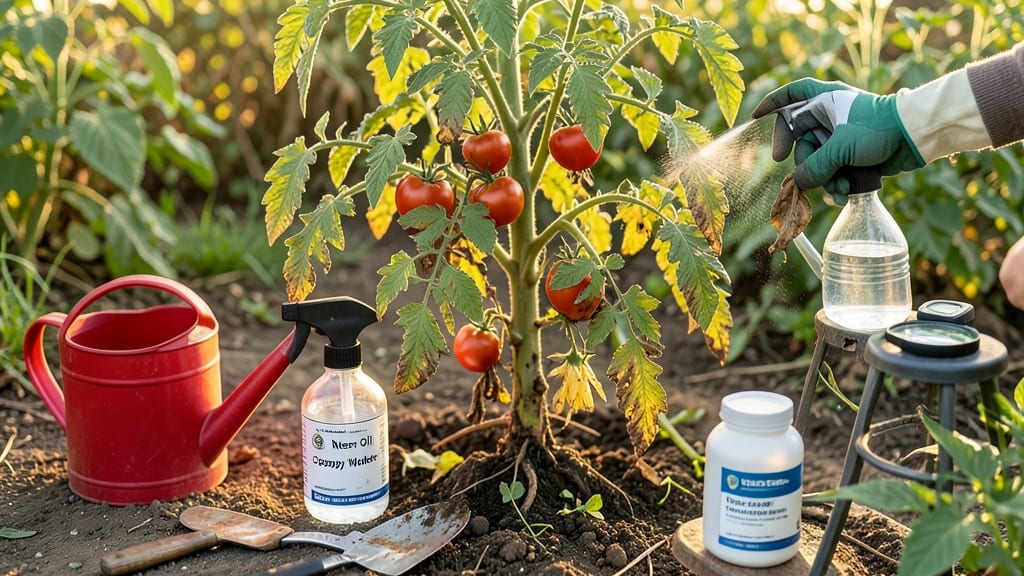
Your tomato plants might look done for, but tomato wilt treatment can bring them back from the brink—even with fungal diseases like Fusarium or Verticillium. ✨ I’ve nursed back multiple plants using copper spray, and the key is acting fast before the disease spreads beyond the roots.
The first step is identifying the cause: bacterial wilt spreads through water, fungal wilts thrive in hot, dry soil, and environmental stress (like overwatering) mimics disease. Copper spray tackles fungal and bacterial infections by disrupting cell walls, while resistant varieties and crop rotation prevent future outbreaks.
It’s not a magic fix, but it buys time for your plants to recover.
You’ll see new growth within 10-14 days if the roots are still alive—look for fresh leaves at the stem’s base. For severe cases, prune affected branches immediately to stop the spread, and switch to drip irrigation to keep foliage dry.
The sooner you act, the better the chances of saving your harvest.
This method works for garden beds, containers, and even greenhouse tomatoes. Just remember: prevention is the real game-changer. Healthy soil, proper spacing, and disease-resistant varieties are your best defense against wilt in the long run.
Root Causes Of Tomato Wilting
Understanding why your tomato plants suddenly wilt is half the battle—because once you know the enemy, you can fight back! Wilting in tomatoes is rarely just "bad luck." It’s usually a clear signal that something’s disrupting their ability to absorb water, photosynthesize, or stay structurally sound.
Below, we break down the most common culprits, why they strike, and how they sabotage your plants at a cellular level.
🍄 Early Blight & Late Blight are the top fungal villains, caused by Alternaria solani and Phytophthora infestans, respectively. These pathogens thrive in humid, warm conditions (60–80°F) and spread via spores carried by wind, water, or contaminated tools.
- How it attacks:
- Leaf spots appear first (brown, concentric rings for early blight; greasy, irregular patches for late blight).
- Vascular blockage: Fungal hyphae clog the plant’s xylem (water-transporting tubes), starving leaves of moisture.
- Systemic collapse: Late blight can spread rapidly to stems and fruit, causing sudden wilting even in seemingly healthy plants.
- Red flag: Wilting often starts on lower leaves but spreads upward as the fungus advances.
🦠 Ralstonia solanacearum (bacterial wilt) is a fatal pathogen that invades through root wounds or contaminated irrigation water. Once inside, it multiplies in the xylem, producing a gel-like slime that blocks water flow.
- How it attacks:
- Vascular occlusion: Bacteria secrete toxins that clog vessels permanently, even if you prune infected leaves.
- Systemic infection: Unlike fungi, bacteria can survive in soil for years, reinfecting new plants.
- Sudden collapse: Plants may wilt within hours after infection, especially in hot weather.
- Red flag: Yellowing leaves + wilting (even at night when plants should recover) is a classic sign.
💧 Root rot (from Phytophthora or Pythium fungi) is a self-inflicted wound caused by soggy soil. Tomatoes need well-draining soil—if water pools around roots, oxygen is cut off, and roots suffocate.
- How it attacks:
- Anaerobic stress: Roots can’t absorb oxygen, leading to cell death in the root zone.
- Fungal feast: Waterlogged soil becomes a breeding ground for rot-causing pathogens.
- Nutrient starvation: Roots stop functioning, so the plant can’t uptake water or minerals, even if the soil is wet.
- Red flag: Mushy, black roots when pulled from the soil + wilting that doesn’t improve at night.
🌡️ Tomatoes are 95% water—when they don’t get enough, their cells plasmolyze (shrink from the cell wall), causing wilting. But heat stress (above 90°F) accelerates water loss through transpiration, outpacing root absorption.
- How it attacks:
- Leaf scorch: Stomata (pores) close to conserve water, but photosynthesis grinds to a halt.
- Permanent damage: If wilting lasts more than a day, cells can die, and the plant may not recover.
- Fruit drop: Heat-stressed plants often abort flowers/fruit to survive.
- Red flag: Wilting that improves at night (temporary) vs. permanent droop (severe).
🌱 Lack of key nutrients weakens tomato plants, making them susceptible to wilting. The biggest offenders:
| Nutrient | Role | Deficiency Signs | Why It Causes Wilting |
|---|---|---|---|
| Potassium (K) | Regulates water balance | Yellowing leaf edges, weak stems | Cells can’t hold moisture; wilting under stress. |
| Calcium (Ca) | Cell wall integrity | Blossom-end rot, stunted growth | Weak cell walls = less structural support. |
| Magnesium (Mg) | Chlorophyll production | Yellowing between veins (interveinal chlorosis) | Poor photosynthesis = less energy to absorb water. |
- Red flag: Wilting paired with stunted growth or deformed leaves.
🐜 Sap-sucking pests (aphids, spider mites, whiteflies) and chewing insects (hornworms, cutworms) weaken tomatoes by:
- Disrupting vascular flow: Pests pierce stems/leaves, creating entry points for pathogens.
- Reducing leaf surface area: Fewer leaves = less water uptake and more stress.
- Transmitting diseases: Some pests (like aphids) spread viral wilting diseases (e.g., Tomato Yellow Leaf Curl Virus).
- Red flag: Sticky residue (honeydew), skeletonized leaves, or tiny eggs on stems.
🌪️ Extreme conditions—whether drought, wind, or temperature swings—can trigger wilting even without pathogens:
- Wind damage: Desiccates leaves faster than roots can replace moisture.
- Cold snaps: Slows root activity, so plants can’t absorb water even if soil is moist.
- Salt buildup: Over-fertilizing or poor-quality water burns roots, reducing absorption.
- Red flag: Wilting across the entire plant (not just patches) with no visible pests/disease.
Fixing Wilted Tomatoes: Step-by-Step
Wilted tomatoes can feel like a garden heartbreaker, but with the right approach, you can revive your plants—and even prevent future wilting. Below, we’ve mapped out practical solutions for the most common causes of tomato wilt, from fungal diseases to environmental stress.
Follow these steps to nurse your plants back to health and keep them thriving.
Fungal infections like blight are sneaky and spread fast. The good news? Copper-based treatments (like copper fungicide) are your best defense, and they’re safe for organic gardens.
🍳 Step 1: Prune & Remove Infected Foliage
- 🔪 Snip off yellow or brown leaves (especially lower ones) with sterilized pruners (wipe with rubbing alcohol between cuts).
- 🗑️ Bag and discard infected leaves immediately—don’t compost them!
- ✂️ Focus on airflow: Thin out crowded branches to reduce humidity, which fungi love.
👨🍳 Step 2: Apply Copper Fungicide
- 💧 Mix & spray: Use a copper fungicide (like copper sulfate or copper hydroxide) following package instructions.
Spray early in the morning on a calm day to avoid drift. - 🌿 Cover all surfaces: Target both sides of leaves, stems, and even the soil around the base (fungi lurk there too!). - 📅 Repeat weekly: Fungi are persistent—stick to a preventative schedule (every 7–10 days) until harvest.
🌡️ Step 3: Boost Plant Immunity
- 💡 Soil boost: Add compost or compost tea to strengthen roots and improve nutrient uptake.
- 🌱 Mulch properly: Use straw or grass clippings (not wood chips) to keep soil moist but not soggy.
- 🍄 Prevent splash: Water at the base (not overhead) to stop spores from splashing onto leaves.
Wilting from water stress is often fixable with simple adjustments to your watering routine.
💧 Step 1: Check Soil Moisture
- 🧵 Finger test: Stick your finger 1–2 inches into the soil. If it’s damp, wait to water. If dry, it’s time.
- 📏 Rule of thumb: Tomatoes need 1–1.5 inches of water per week (including rain).
🏗️ Step 2: Improve Drainage
- 🪴 Raise containers: If growing in pots, ensure they have drainage holes and elevate them slightly.
- 🌱 Loosen compacted soil: Gently aerate the soil with a fork if it feels hard or clay-like.
- 🪴 Switch to self-watering: Consider a drip irrigation system or soaker hose for steady moisture.
⏰ Step 3: Adjust Watering Schedule
- 🌅 Morning watering: Water early in the day so leaves dry quickly (reduces fungal risk).
- 🚫 Avoid evening water: Wet foliage at night invites disease.
- 🌧️ Rainy days? Skip watering—overdoing it can drown roots.
Tomatoes wilt when they’re thirsty or overheated, but recovery is quick with the right care.
💦 Step 1: Deep Watering Technique
- 🌊 Water deeply: Instead of light sprinkles, soak the root zone (about 6–12 inches down).
- 🕒 Timing matters: Water slowly over 20–30 minutes to let roots absorb moisture.
🌿 Step 2: Provide Shade & Mulch
- 🌳 Temporary shade: Use a light shade cloth (30–50%) if temps hit 90°F+ (32°C+).
- 🛏️ Mulch heavily: Apply 3–4 inches of mulch (straw or shredded leaves) to retain moisture and cool roots.
🌱 Step 3: Revive Drooping Plants
- 💡 Stake or cage: If stems are weak, support them immediately to prevent sunscald.
- 🍅 Harvest ripe tomatoes: Picking mature fruit reduces stress on the plant.
Pests suck the life out of tomatoes, causing wilting. Knock them out fast with these methods.
🕷️ Step 1: Inspect & Isolate
- 🔍 Check undersides of leaves for tiny pests. Isolate affected plants if possible.
- 🚫 Remove heavily infested leaves and drop them in soapy water.
🧼 Step 2: Natural Pest Control
- 💦 Spray with soapy water: Mix 1 tsp mild soap + 1 quart water, spray directly on pests (avoid flowers).
- 🐝 Attract predators: Plant marigolds, basil, or dill nearby to lure beneficial insects like ladybugs.
- 🌿 Neem oil (optional): For severe infestations, spray neem oil (follow label instructions).
🌱 Step 3: Prevent Future Attacks
- 🌿 Rotate crops: Avoid planting tomatoes in the same spot yearly (pests build up in soil).
- 🪴 Use reflective mulch: Silver mulch confuses pests and deters some insects.
- 🌱 Prune regularly: Remove suckers (side shoots) to focus energy on fruit production. - 💧 Consistent moisture: Wilting from uneven watering is preventable—stick to a schedule! - 🌿 Monitor weather: Heatwaves + humidity = blight risk.
Stay vigilant in summer. - 🍅 Harvest early: Picking tomatoes before full ripeness (if needed) reduces plant stress.
Final Thought: Most tomato wilting is reversible with quick action. Start with pruning, copper spray, and proper watering, then adjust based on your plant’s response. With these fixes, your tomatoes will bounce back—and next season, you’ll be one step ahead of wilt! 🌱🍅
Frequently asked questions about reviving wilted tomatoes
How quickly can I expect to see results after treating fungal wilt with copper spray?
With copper fungicide, you may notice new growth within 10-14 days if the roots are still healthy. Look for fresh leaves emerging at the stem's base—this is your best sign of recovery. For severe cases, combine copper spray with proper pruning and improved airflow to speed up results.
Can I save a tomato plant if the wilting is caused by bacterial wilt?
Unfortunately, bacterial wilt is usually fatal once symptoms appear. The bacteria clog the plant's vascular system permanently. Your best course is to remove the infected plant immediately to prevent spread, then disinfect your tools and soil. For next season, choose resistant varieties like 'Solar Fire' or 'Mountain Merit'.
What's the difference between wilting from overwatering and fungal disease?
Overwatered plants wilt because their roots suffocate from lack of oxygen, while fungal wilt blocks water transport through the plant's vascular system. The key difference: Overwatered plants may recover at night when soil dries slightly, while fungal wilt persists even overnight. Check for leaf spots or blackened stems for confirmation.
Is it safe to compost tomato leaves that show signs of early blight?
No, you should never compost infected tomato leaves. The fungal spores can survive composting and reinfect your garden. Always bag and discard infected foliage in the trash. For organic gardeners, consider using a solarization method (covering soil with clear plastic for several weeks) to kill pathogens before replanting.
How can I tell if my tomato wilting is from heat stress versus disease?
Heat stress causes temporary wilting that improves at night when temperatures drop, while disease-related wilting persists. Look for leaf scorch (brown edges) from heat versus yellowing leaves with spots for disease. Also check the soil—if it's dry and crumbly, heat stress is likely. Provide shade cloth and mulch for heat protection.