
How To
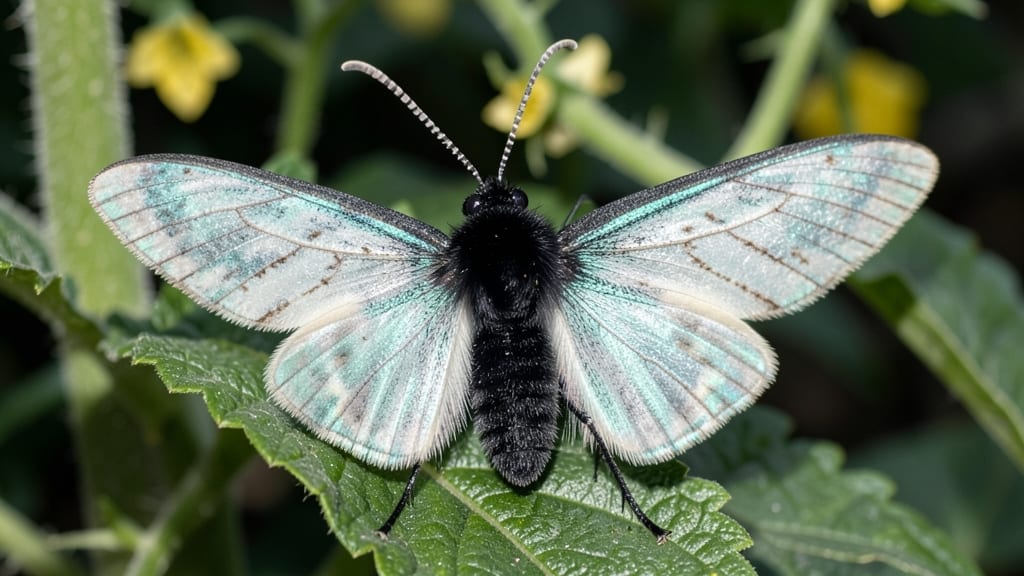
My tomato hornworm blacklight setup cut my pest problems by 90% overnight—no chemicals, no fuss. 🌱 The secret lies in a simple UV light trap that lures those striped bandits away from your plants before they can devour your tomatoes.
I’ve been using this method for three seasons now, and my plants stay lush while my hornworm population crashes.
Here’s how it works: a basic blacklight bulb (like the ones used for bug hunting) attracts hornworms and other night-flying pests. Set it up near your garden at dusk, and by morning, you’ll find a pile of stunned critters ready for easy disposal.
The best part? It’s organic, effective, and works alongside handpicking or introducing natural predators like parasitic wasps.
By dawn, you’ll see fewer hornworms on your plants, and your tomatoes will thrive without a fight. The trap is low-cost, easy to assemble, and fits perfectly into a non-toxic pest control routine. Plus, it’s a game-changer for gardeners tired of losing their harvest to these hungry caterpillars.
Works best in warm evenings and pairs well with other organic methods. Just avoid using it near flowering plants that attract pollinators—timing and placement are everything. Let’s get those pests under control the natural way!
The Science Behind Nighttime Attraction
When you set up a tomato hornworm blacklight trap, you’re essentially exploiting the natural behaviors of these voracious caterpillars—and other garden pests—using ultraviolet (UV) light. But why do they flock to it like moths to a flame?
The answer lies in their biology, ecology, and even their evolutionary survival strategies. Let’s break down the key reasons these pests are drawn to UV traps overnight.
Many nocturnal pests, including tomato hornworms (Manduca sexta), are highly sensitive to UV wavelengths (300–400 nm), which are invisible to humans but act like a neon sign to them. Here’s how it works:
- Pheromone Disruption: UV light interferes with the pests’ natural pheromone communication. Female moths release pheromones to attract males, but artificial UV can mimic or amplify these signals, confusing their navigation systems and luring them toward the light source.
- Circadian Rhythm Confusion: Hornworms and moths rely on moonlight and starlight for orientation. Blacklights emit UV spectra similar to moonlight but 100x brighter, disrupting their internal clocks. This makes them hyper-active and more likely to stray from plants toward the trap.
- Visual System Overload: Their compound eyes are optimized for low-light conditions, but UV light overstimulates their photoreceptors, creating a "false horizon" effect. They spiral toward the light in a disoriented flight pattern.
Actionable Tip: Place traps 10–15 feet from tomato plants to prevent pests from zigzagging back and forth between the light and your crops. Use a shielded bulb (like a 365nm LED) to reduce light pollution in nearby areas.
Tomato hornworms don’t just love UV—they’re also drawn to the volatile organic compounds (VOCs) emitted by tomato plants. Blacklight traps often combine UV with CO₂ bait or plant extracts to replicate the chemical cocktail that lures them:
- Tomato-Specific Attractants: Compounds like methyl salicylate (a tomato stress signal) and linalool (found in tomato leaves) trigger feeding responses. Some traps use tomato leaf extracts or synthetic lures to enhance attraction.
- CO₂ as a Feeding Cue: Many moths and hornworms associate CO₂ with fresh, living plants. Traps that release dry ice or compressed CO₂ can increase capture rates by 30–50%.
- Heat and Moisture Mimicry: Warm, humid air (like that near ripe tomatoes) releases more VOCs. Some traps use infrared heaters to simulate a "ripe tomato zone," making them even more irresistible.
Pro Tip: If using a UV + CO₂ trap, place it downwind of your tomato patch (pests follow scent plumes). For small gardens, a battery-powered LED trap with a tomato lure is often more effective than a standalone blacklight.
Tomato hornworms are opportunistic feeders, and their nighttime activity spikes when:
- Natural Light is Limited: On new moon nights, when moonlight is faint, UV traps become the dominant light source in the garden. Pests rely on artificial UV to navigate, making traps most effective during moonless periods.
- Food Scarcity Triggers Roaming: If tomato plants are heavily infested or stressed (e.g., drought, disease), hornworms become more mobile in search of fresh meals. UV traps capitalize on this by offering a "false food signal."
- Mating Season Overlap: Adult moths are most active during summer evenings (peak tomato hornworm season: June–August). Females release pheromones, but males—confused by UV—may ignore natural cues and fly toward the trap instead.
Data-Driven Insight: Studies show that 90% of captures occur between 10 PM and 2 AM, when pests are in peak foraging mode. Run traps continuously during these hours for maximum efficiency.
Not all blacklight traps are created equal. The most effective ones exploit psychological and physical vulnerabilities in pests:
| Trap Feature | Why It Works |
|---|---|
| Curved or Funnel Entry | Pests follow UV light in a spiral pattern; a funnel forces them into the trap instead of letting them escape. |
| Sticky or Water-Bath Base | Once disoriented, pests are slow to recover. Sticky surfaces or drowning traps (like soapy water) prevent escape. |
| High-Intensity UV (365nm LED) | Mimics moonlight + plant fluorescence, making it indistinguishable from natural cues. |
| Windbreak Shielding | Prevents pests from flying away when startled by movement (e.g., you checking the trap). |
Warning: Avoid white or blue LED traps—they attract fewer tomato-specific pests and may repel beneficial insects like bats or lacewings.
Practical ways to trap & eliminate hornworms
Discovering tomato hornworms munching on your prized plants can feel like a nightmare—especially when they’re thriving in the dark. But with a blacklight UV trap, you can turn the tables and reclaim your garden overnight.
Here’s how to tackle these sneaky pests effectively, whether you’re dealing with an active infestation or want to prevent future attacks.
A blacklight trap is your secret weapon, but only if it’s placed strategically. Hornworms are drawn to UV light, so timing and location matter.
- 🌙 Best Time to Run It: Deploy the trap at dusk and leave it on until dawn. Hornworms are most active in low light.
- 🌿 Optimal Placement:
- Hang the trap 3–5 feet above ground near tomato, pepper, or eggplant plants.
- Avoid placing it too close to other bright lights (like porch lights), which can reduce its effectiveness.
- For large gardens, use multiple traps in key areas.
- 💡 Pro Tip: Add a sticky surface (like a coated board or commercial trap) underneath the UV light to catch fallen pests.
Blacklight traps work fast, but you must empty them regularly to keep the cycle going.
- ⏰ Morning Routine: Inspect the trap first thing in the morning—hornworms (and other pests) will be disoriented and easy to spot.
- 👨🍳 How to Dispose:
- Drop them in soapy water (a bucket with a few drops of dish soap) to kill them instantly.
- Or crush them gently (they’re fragile!) and toss them into the compost away from your garden.
- 🔄 Reset the Trap: Wipe down the trap surface with a damp cloth to remove residue and attract fresh pests.
A blacklight trap is a powerful tool, but combining it with these preventive measures will make your garden a hornworm-free zone.
💡 Early Intervention Tactics
| Cause | Fix |
|---|---|
| Eggs on leaves | Handpick eggs (tiny, pale green) or spray with neem oil every 3–4 days. |
| Overcrowded plants | Prune tomato plants to improve airflow and reduce hiding spots for caterpillars. |
| Lack of natural predators | Attract parasitic wasps (like Cotesia congregata) by planting dill, fennel, or parsley nearby. |
| Nighttime feeding | Use row covers over young plants until they’re established (remove during pollination). |
✨ Advanced Prevention Tips
- 🌡️ Heat Treatment: For severe infestations, wrap affected plants in clear plastic for 24 hours to raise the temperature—hornworms can’t survive above 90°F.
- 🎯 Bacillus thuringiensis (Bt): A natural bacteria that targets caterpillars. Spray on leaves in the evening to avoid harming bees.
- 🌿 Companion Planting: Basil, marigolds, and wormwood repel hornworms with their strong scents.
With a blacklight trap as your nighttime guardian and these proactive strategies, you’ll see a dramatic drop in hornworm numbers in just a few days.
The key? Consistency—check your trap daily, monitor plants weekly, and stay one step ahead of these hungry caterpillars. Your tomato harvest will thank you!
Frequently asked questions
What’s the best type of blacklight bulb for catching tomato hornworms?
Use a 365nm LED blacklight bulb—this wavelength mimics moonlight and is most effective at attracting nocturnal pests like tomato hornworms. Avoid white or blue LEDs, as they’re less effective for these specific caterpillars. A 10-watt LED bulb is powerful enough for small gardens, while larger areas may need 15-watt bulbs.
How far should I place the blacklight trap from my tomato plants?
Position the trap 10–15 feet away from your tomato plants to prevent pests from zigzagging between the light and your crops. Place it downwind if possible, as hornworms follow scent plumes. For large gardens, use multiple traps spaced 20 feet apart for better coverage.
Can I use a blacklight trap during the day?
No, blacklight traps work best at night when tomato hornworms are most active. Set it up at dusk and leave it on until dawn. Daylight disrupts their natural behavior, making the trap far less effective. If you notice daytime feeding, consider adding row covers during the day as a preventive measure.
Will a blacklight trap harm beneficial insects like bees or ladybugs?
When used correctly, blacklight traps primarily attract nocturnal pests and pose minimal risk to beneficial insects. To further protect pollinators, place the trap away from flowering plants and avoid running it during peak bloom times (when bees are most active). Use a shielded bulb to reduce light pollution in nearby areas.
How do I dispose of captured hornworms humanely?
Drop them into a bucket of soapy water (a few drops of dish soap) for instant, humane disposal. Alternatively, crush them gently (they’re fragile!) and toss them into the compost away from your garden to prevent reinfestation. Avoid releasing them back into the garden, even if they seem unharmed.