
Pests
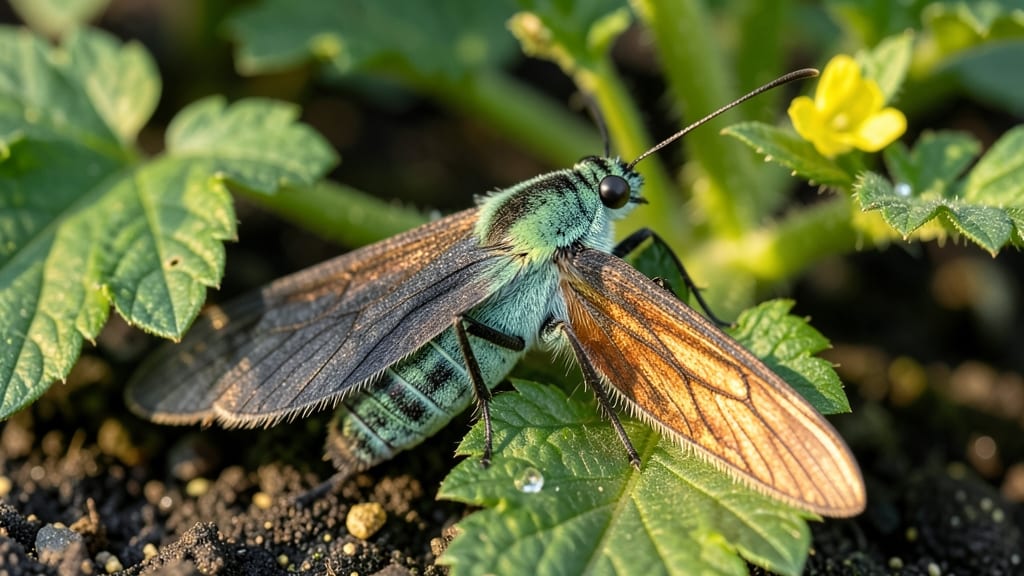
Tomato hornworm moths can strip your plants bare in a single night—unless you act fast. 🌿 I’ve seen these striped bandits devour entire tomato plants in 24 hours, leaving only the stems behind. The key to stopping them isn’t complicated, but it does require quick action and the right tools.
These caterpillars aren’t picky—they’ll chomp through tomatoes, peppers, and eggplants with equal enthusiasm. The good news? Their lifecycle is short, meaning you can break the cycle fast with the right approach.
Most gardeners miss the early signs, but once you know what to look for, you’ll spot them before they cause real damage.
Within hours of proper intervention, you’ll see a noticeable difference—fewer holes in leaves, fewer missing fruits, and plants that start recovering their strength. The secret lies in combining physical removal with natural deterrents, so you don’t have to rely on harsh chemicals.
This method works for backyard gardens, raised beds, and even container plants. Whether you’re dealing with a small infestation or a full-blown outbreak, the same principles apply—early action is everything.
How These Pests Invade Gardens
The tomato hornworm moth isn’t just a random visitor—it’s a strategic invader with a lifecycle finely tuned to exploit your garden’s weaknesses. Understanding why these pests show up in force helps you disrupt their plans before they devour your plants. Here’s a breakdown of the key factors driving their infestations:
The tomato hornworm moth’s larvae are specialists—they thrive almost exclusively on plants in the Solanaceae family, which includes tomatoes, peppers, eggplants, and even tobacco. Their adult moths lay eggs near these plants because the larvae need them to survive.
- Why it happens: Moths use pheromones and visual cues (like leaf shape and scent) to locate host plants. If your garden is a buffet of ripe tomato leaves, you’re sending out an open invitation.
- Actionable insight: Interplanting with non-host plants (like basil, marigolds, or onions) can disrupt their search patterns. These plants mask the scent of solanaceous crops, making it harder for moths to pinpoint their targets.
- Pro tip: 💡 Rotate crops annually—moths return to the same spots if they’ve had success before. Shifting plant locations confuses their navigation.
Tomato hornworm moths are nocturnal fliers, and their activity peaks during warm, humid evenings. Their flight season aligns with the growing season of their host plants—typically late spring to early fall in most climates.
- Why it happens: Moths are drawn to gardens when nighttime temperatures rise above 60°F (15°C). Warm air helps them disperse over longer distances, and they’re most active during new moon phases, when moonlight provides just enough light for navigation without overwhelming them.
- Actionable insight: Monitor local weather and lunar cycles. If you’re in a high-risk zone (e.g., Southern U.S.), yellow sticky traps placed near plants can catch adult moths before they lay eggs.
- Pro tip: ✨ Use blacklights at night—moths are attracted to UV light. Positioning a light trap away from your garden (e.g., near a fence line) lures them away from your crops.
These pests love warmth and humidity. While they can survive in a range of climates, they explode in populations during hot, muggy summers—especially in regions with long growing seasons.
| Climate Factor | Impact on Moths | What You Can Do |
|---|---|---|
| High Heat | Accelerates larval growth and egg hatching. | Provide shade cloth over young plants to reduce stress and attractiveness. |
| Humidity | Keeps eggs moist, increasing survival rates. | Improve airflow around plants with pruning or trellises. |
| Rainfall | Washes away natural predators (like parasitic wasps). | Encourage beneficial insects with nectar-rich flowers (e.g., dill, fennel). |
Pro tip: 🌡️ If you’re in a dry climate, irrigation timing matters—water in the morning to reduce humidity at night, when moths are most active.
Tomato hornworms have a short lifespan (about 6 weeks), but their survival depends on avoiding predators. When these natural controls are missing, their populations skyrocket.
- Why it happens: Pesticides (even organic ones) can kill beneficial insects like parasitic wasps, ladybugs, and lacewings, which prey on hornworm eggs and larvae. Monoculture gardens (e.g., rows of only tomatoes) also reduce biodiversity, leaving fewer predators around.
- Actionable insight: Foster a predator-friendly garden by planting companion plants that attract helpful insects. Examples:
- Basil (repels moths and attracts predatory wasps)
- Marigolds (deter moths with their scent)
- Carrots (attract hoverflies, which eat hornworm eggs)
- Pro tip: 🔥 Avoid broad-spectrum sprays—if you must treat, use targeted methods like handpicking or Bt (Bacillus thuringiensis), which only affects caterpillars.
By addressing these root causes—food supply, timing, climate, and predator balance—you can sever the conditions that allow tomato hornworm moths to thrive. The key is proactive disruption at every stage of their lifecycle.
Quick Fixes for Worm Infestations
Discovering those voracious tomato hornworm larvae munching away on your prized plants can be frustrating, but don’t panic—there are fast, effective ways to reclaim your garden in record time. Below, we’ve mapped out targeted solutions based on the root cause of your infestation, from manual removal to natural deterrents.
Each method is designed to be practical, garden-friendly, and easy to implement, even for beginners. Let’s tackle this pest problem head-on!
When you spot those green, striped caterpillars devouring your tomatoes, the fastest way to stop them is to remove them physically. This method is chemical-free and works instantly—perfect for small to moderate infestations.
- 👨🍳 Grab and Drop: Wear gloves and pick the larvae off your plants by hand. Drop them into a bucket of soapy water (1 tablespoon of dish soap per gallon) to ensure they don’t wriggle away. Pro tip: Do this early in the morning when the worms are sluggish and easier to spot.
- 🥘 Nighttime Raids: Hornworms are most active at night. Shine a flashlight on your plants after dark to spot and remove them before they cause more damage.
- 🌿 Check Under Leaves: These pests love to hide on the undersides of leaves. Gently shake plants over a tray or newspaper to flush them out.
Encouraging the natural enemies of hornworms can create a long-term defense system with minimal effort. This approach is eco-friendly and sustainable for your garden’s ecosystem.
- 🦋 Attract Parasitic Wasps: Tiny braconid wasps lay their eggs inside hornworm larvae, eventually killing them. Plant dill, fennel, or parsley to attract these beneficial insects. Pro tip: Avoid pesticides, as they harm these helpful wasps too!
- 🐸 Invite Frogs and Toads: These amphibians love munching on hornworms. Create a mini pond or shallow water dish in your garden to attract them.
- 🐞 Promote Ground Beetles: These nocturnal predators feed on hornworm eggs and young larvae. Mulch your garden with straw or wood chips to provide shelter for them.
If manual removal isn’t enough, organic sprays can create a protective shield around your plants without harming the environment or beneficial insects.
- 🍋 Neem Oil Spray: Mix 2 tablespoons of neem oil with 1 teaspoon of mild soap and 1 quart of water. Spray this solution on your plants, focusing on the undersides of leaves. Neem oil disrupts the hornworms’ feeding and growth. Pro tip: Reapply every 5–7 days or after rain.
- 🌶️ Spicy Pepper Spray: Blend 1 tablespoon of cayenne pepper or hot sauce with 1 quart of water. Strain and spray directly on the larvae and leaves. The capsaicin irritates their digestive systems, deterring them from feeding.
- 🌿 Bacillus Thuringiensis (Bt): This natural bacterium is lethal to hornworms but harmless to humans and pets. Mix Bt powder with water and spray it on your plants. It works best when applied in the evening.
The best way to handle hornworms is to prevent them from becoming a problem in the first place. Implement these strategies to keep your garden worm-free season after season.
- 🌿 Crop Rotation: Avoid planting tomatoes, peppers, or eggplants in the same spot year after year. Hornworms overwinter in the soil, so rotating crops disrupts their life cycle.
- 🌱 Companion Planting: Plant basil, marigolds, or onions near your tomatoes. These plants repel hornworms and attract their natural predators.
- 🕷️ Install Row Covers: Use lightweight fabric row covers over young tomato plants to block adult moths from laying eggs. Remove covers when flowers appear to allow pollination.
- 🌙 Regular Scouting: Inspect your plants weekly, especially in the evening. Early detection means faster action and less damage.
If your garden is under siege and the infestation is spreading rapidly, it might be time to escalate your defense. Consider these options for severe cases:
- 🚨 Contact Local Pest Control: Some garden centers or cooperative extensions offer organic pest management services tailored to your area.
- 📞 Consult a Master Gardener: Local gardening clubs or university extensions often have experts who can provide personalized advice for stubborn infestations.
With these strategies, you can turn your garden back into a thriving, worm-free paradise in no time. Whether you’re a hands-on gardener or prefer a more hands-off approach, there’s a solution that fits your style. Happy gardening! 🌱🍅
Frequently asked questions
Why do I keep seeing tomato hornworm moths in my garden every year?
These moths are drawn to your garden because they’ve found a reliable food source—your tomato plants! Their lifecycle is synchronized with your growing season, and once they discover your garden, they return annually. The key is disrupting their pattern by rotating crops, removing eggs/larvae early, and planting companion plants like basil or marigolds that mask tomato scents.
How can I tell if I have hornworm eggs or just regular caterpillars?
Hornworm eggs are tiny (1mm), green, and laid singly or in small clusters on the undersides of leaves. The larvae themselves are large (up to 4 inches), green with white stripes and horn-like protrusions. Other caterpillars (like loopers) are smaller and lack these distinctive features. Check leaf undersides weekly during warm months for early detection.
Is it safe to use Bt (Bacillus thuringiensis) on my tomato plants?
Yes, Bt is completely safe for humans, pets, and beneficial insects—it only targets caterpillars like hornworms. Mix it with water and spray on leaves (especially undersides) in the evening when moths are active. Reapply every 7-10 days or after rain. It’s a great organic solution that won’t harm your garden ecosystem.
Will neem oil kill hornworm eggs or just the larvae?
Neem oil is most effective against larvae and adult moths, but it has limited impact on eggs. For best results, spray neem oil every 5-7 days during peak moth activity (late spring to early fall). Combine it with handpicking eggs or introducing parasitic wasps for comprehensive control. The oil disrupts feeding and growth, making it a great preventive measure.
Can I still harvest tomatoes if I’ve had a hornworm infestation?
Hornworms rarely poison fruit—they prefer leaves and stems. Just wash tomatoes thoroughly before eating. If you’ve used Bt or other organic sprays, wait 24 hours before harvesting to ensure residue settles. Focus on removing larvae and protecting new growth to maintain a healthy crop.