
Vegetables
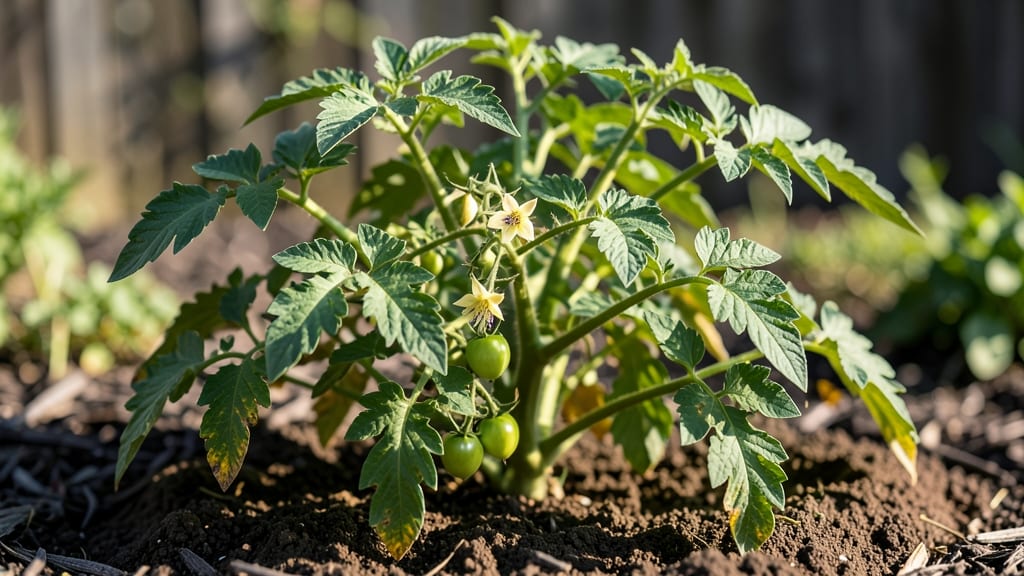
The tomato genus Solanum includes key species like Solanum lycopersicum (common tomato) and wild relatives such as Solanum pimpinellifolium and Solanum cheesmaniae. These varieties are classified based on genetic traits, fruit characteristics, and growth patterns for agricultural purposes.
The Solanum genus encompasses over 1,700 species, but only a few produce tomatoes we recognize. 🌱 Solanum lycopersicum dominates commercial farming due to its adaptability and high yields, while wild species like S. pimpinellifolium offer disease resistance and unique flavors.
For gardeners, choosing between heirloom varieties (like 'Brandywine') and hybrids (like 'Early Girl') depends on your climate and taste preferences—each species brings distinct traits to the table.
Beyond classification, these species also influence culinary uses. 🍅 Cherry tomatoes (S. lycopersicum var. cerasiforme) pack intense sweetness, while beefsteak varieties deliver meaty texture. Wild relatives, though smaller, often contain higher concentrations of antioxidants.
Understanding these differences helps gardeners select plants that thrive in their environment while delivering the flavors they love.
💡 In This Article
- Botanical Classification: Solanum Genus and Tomato Species Hierarchy
- Choosing Tomato Species for Gardens: Cultivation and Flavor Profiles
Botanical classification: Solanum Genus and Tomato Species Hierarchy
The Solanum genus represents one of the most economically important plant groups, containing over 1,700 species—but only a handful produce the tomatoes we cultivate. 🌱 At the top of this hierarchy sits Solanum lycopersicum, the common tomato, which was reclassified from its former subgenus Lycopersicon in 1998.
This species alone accounts for nearly all commercial tomatoes, thanks to its adaptability to diverse climates and high fruit yields (up to 50-100 tomatoes per plant in ideal conditions).
Wild relatives like Solanum pimpinellifolium (the currant tomato) and Solanum cheesmaniae (a Peruvian wild species) serve as genetic reservoirs for breeders. These wild types often exhibit smaller fruit sizes (0.5-1 inch diameter) but pack higher concentrations of lycopene (up to 30% more than commercial varieties) and greater disease resistance.
Their compact growth habit (1-2 feet tall) makes them ideal for container gardening, while their bitter, tangy flavors offer unique culinary applications.
The classification system extends to fruit morphology: S. lycopersicum varieties are grouped by size (cherry, grape, beefsteak) and growth patterns (determinate vs indeterminate vines).
Determinate plants, like 'Roma' tomatoes, produce fruit in clusters and stop growing at 3-5 feet tall, while indeterminate varieties like 'Sungold' continue growing until frost, yielding fruit over 6-8 feet of vine length. These structural differences directly impact garden planning and harvest timing.
Genetic traits also determine disease resistance. For example, S. pimpinellifolium carries genes for Fusarium wilt resistance, a devastating fungal disease that affects 90% of commercial tomato crops in susceptible varieties. Breeders often cross wild species with cultivated tomatoes to introduce these traits without sacrificing yield or flavor.
The result? Hybrid varieties like 'Mountain Merit' combine disease resistance with the sweetness of heirloom types.
What most gardeners don't realize is how these classifications affect ripening times. Wild species typically mature in 60-70 days, while large heirloom tomatoes can take 85-100 days to reach full flavor development.
This timing difference stems from genetic trade-offs between fruit size and maturation speed—a classic example of evolutionary adaptation. 🌱
For those curious about taxonomy, the Solanum genus also includes other edible relatives like eggplants (Solanum melongena) and potatoes (Solanum tuberosum).
These species share the same nightshade family traits (toxic green parts, compound leaves) but diverged evolutionarily to develop different storage organs—fruits in tomatoes, tubers in potatoes. This shared ancestry explains why tomato plants produce fruit that ripens green before turning red, a trait inherited from their wild progenitors.