
How To
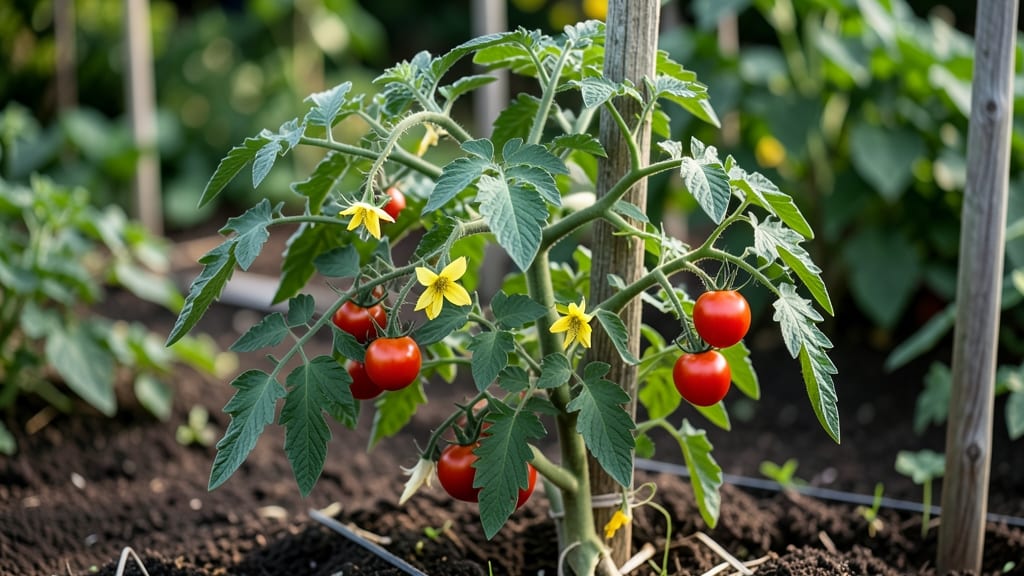
Tomato fungus on leaves can turn your harvest from lush to lost in days—unless you act fast. 🌱 I’ve battled early blight, late blight, and powdery mildew, and the key to saving your plants lies in a simple, preventative spray mix that stops fungal spores before they take hold.
This isn’t about scrambling to fix damage; it’s about creating a shield your tomatoes can’t live without.
The problem starts with damp leaves and crowded plants—fungi love both. Early blight shows as brown spots with concentric rings, while late blight creates greasy-looking lesions that spread like wildfire. Powdery mildew? It’s the white, flour-like dust that chokes your plants in days.
The good news? A foolproof spray mix of baking soda, neem oil, and a drop of dish soap disrupts fungal growth before it starts. It’s organic, budget-friendly, and works for every type of tomato fungus.
By spraying every 7–10 days (or after rain), you’ll see leaves stay crisp and green, not spotted or yellowing. The spray also deters pests like aphids, so you’re killing two problems with one solution.
Your plants will grow stronger, fruit heavier, and you’ll avoid the heartbreak of blighted tomatoes mid-season. No more panic—just prevention that works.
This method adapts to greenhouses, containers, and in-ground gardens alike. Whether you’re dealing with heirlooms or cherry tomatoes, the spray mix stays your secret weapon. Let’s get your plants back to thriving—before the fungus does.
Root Causes Of Leaf Fungus
Fungal infections on tomato leaves aren’t just random bad luck—they’re often a direct result of specific environmental and cultural conditions. Understanding these causes is the first step to preventing them.
Below, we break down the key reasons why fungus thrives on your tomato plants, along with the science behind each trigger.
Fungi love damp, stagnant conditions—think of them as aquatic invaders that take over when your tomato leaves stay wet for too long. Here’s why this happens:
- Overwatering: Tomato plants need consistent moisture, but soggy soil and saturated leaves create the perfect breeding ground for spores. Fusarium and Phytophthora fungi, for example, thrive in waterlogged environments.
- Poor drainage: Containers or garden beds without proper drainage trap excess water at the roots, which stresses the plant and weakens its defenses. Weakened plants are easier targets for fungal pathogens.
- Frequent overhead watering: Watering from above (especially late in the day) leaves droplets on leaves, giving fungi a direct entry point. Early blight and late blight often start this way.
Actionable fix: Water at the base of the plant in the morning, and ensure pots or garden beds have drainage holes. Space plants 18–24 inches apart to improve airflow.
Fungi are opportunistic—they strike when conditions are just right. Temperature and humidity play a huge role in their growth cycles:
- High humidity (above 75%): Fungal spores germinate and spread rapidly in humid conditions. Powdery mildew, for instance, thrives in these environments and can appear as a white, powdery coating on leaves.
- Cool nights (50–70°F): Many fungal pathogens, like Septoria leaf spot, become more aggressive when temperatures dip. The contrast between warm days and cool nights creates stress, making plants more susceptible.
- Stagnant air: Greenhouses, dense plantings, or shaded areas trap moisture and heat, accelerating fungal growth.
Actionable fix: Use a hygrometer to monitor humidity—aim for 40–60%. Improve ventilation with fans or by pruning crowded foliage. If growing in a greenhouse, consider a dehumidifier or proper ventilation system.
Fungal spores are everywhere—in soil, water, and even on gardening tools. If your tomato plants are already stressed, these spores can easily colonize:
- Infected soil or compost: Old garden beds, untreated compost, or soil from previous fungal outbreaks may harbor dormant spores. Verticillium wilt, for example, can persist in soil for years.
- Reused or dirty tools: Pruners, stakes, or even gloves can transfer spores from infected plants to healthy ones. A single cut with a contaminated tool is enough to introduce a fungal infection.
- Plant debris: Leaving fallen leaves, stems, or diseased plants in the garden provides a food source for fungi and a place for spores to overwinter.
Actionable fix: Sterilize tools with rubbing alcohol or a 10% bleach solution between uses. Practice crop rotation—avoid planting tomatoes in the same spot year after year. Remove and dispose of (don’t compost) infected plant material.
Stressed tomato plants are like open invitations to fungal pathogens. When plants are weak, their natural defenses drop, making them prime targets:
- Overcrowding: Plants competing for sunlight, water, and nutrients become stressed. Poor airflow between leaves traps moisture, creating ideal conditions for late blight or powdery mildew.
- Nitrogen deficiency: Yellowing leaves (a sign of nitrogen deficiency) weaken the plant’s cell walls, making it easier for fungi to penetrate. Early blight often exploits this vulnerability.
- Improper pruning: Over-pruning or aggressive trimming can stress the plant, reducing its ability to fight off infections.
Actionable fix: Space tomato plants properly (18–24 inches apart) and prune selectively to improve airflow. Conduct a soil test and amend with compost or a balanced fertilizer to ensure proper nutrition. Avoid heavy-handed pruning—remove only diseased or overly crowded growth.
Pests and existing diseases create entry points for fungi. For example:
- Insect damage: Chewing insects (like aphids or spider mites) create wounds that provide direct access for fungal spores. Alternaria leaf spot often follows insect infestations.
- Viral or bacterial infections: Plants already battling viruses (e.g., tomato mosaic virus) or bacteria (e.g., bacterial spot) are more susceptible to secondary fungal infections.
- Root damage: Nematodes or compacted soil weaken the root system, reducing the plant’s ability to absorb water and nutrients—stress that fungi exploit.
Actionable fix: Monitor plants regularly for pests and treat infestations early with neem oil or insecticidal soap. Rotate crops to prevent soil-borne diseases, and avoid working in the garden when plants are wet (to minimize spreading pathogens).
Quick Fixes for Fungal Foliar Foes
Fungal infections on tomato leaves can feel like a losing battle, but with the right strategies, you can turn things around fast. Below, we’ve mapped the most common causes to practical, step-by-step solutions—plus prevention tips to keep your plants thriving. No jargon, just actionable fixes!
Cause: Alternaria, early blight, or powdery mildew starting small but spreading fast.
🔥 Fix It Now:
- Prune & Toss 🪒
- Snip off infected leaves (at least 6 inches below the spot) with sterilized scissors (wipe with rubbing alcohol between cuts).
- Pro Tip: 💡 Don’t compost these leaves—fungus spores can reinfect your soil!
- Spray the Shield 🛡️ Mix 1 tbsp baking soda + 1 quart water + ½ tsp dish soap (or use neem oil spray). Apply early morning or evening (avoid direct sun—it burns leaves).
- Reapply every 7–10 days until new growth appears.
- Boost Airflow 🌬️
- Space plants 18–24 inches apart (crowding = fungus heaven).
- Use tomato cages or stakes to keep leaves off the ground.
Cause: Late blight, septoria leaf spot, or root rot—these are highly contagious and need aggressive treatment.
🍳 Emergency Treatment:
- Fungicide Bomb 💥
- Copper fungicide (like Bordeaux mix) or organic option: 1 tsp hydrogen peroxide (3%) + 1 quart water + 1 tsp soap.
- Spray thoroughly (top and bottom of leaves) at dusk to avoid leaf burn.
- Soil Rescue Mission 🌱
- Remove mulch 6+ inches from the stem (fungus loves damp mulch).
- Water at the base (not overhead) with a soaker hose to keep foliage dry.
- Quarantine & Rotate 🚫
- Isolate infected plants 10+ feet from healthy tomatoes.
- Crop rotation: Don’t plant tomatoes/solomon’s seal in the same spot for 3 years.
🌡️ Daily Habits:
- Water wisely: Morning only, at the base, never after dark (wet leaves = fungus party).
- Mulch right: Use straw or grass clippings (not wood chips) 2–3 inches deep—keeps soil moist without smothering plants.
🌿 Weekly Checks:
- Inspect leaves (especially undersides) every 3 days—catch fungus before it spreads!
- Rotate sprays: Alternate baking soda, neem oil, and copper to prevent resistance.
🔥 Seasonal Prep:
- Solarize soil (cover with clear plastic for 4–6 weeks in summer) to kill fungus spores before planting.
- Plant resistant varieties: Try ‘Mountain Merit’ or ‘Defiant PhR’—they’re bred to fight fungus!
🎯 Final Pro Tip: If your tomatoes are heavily infected, it may be time to pull and replace—saving the rest of your garden is worth it! 🌱✨
Frequently asked questions
What’s the difference between early blight and late blight on tomato leaves?
Early blight starts with small, brown spots that develop concentric rings (like bullseyes) on older leaves. It spreads slowly and rarely kills plants. Late blight appears as greasy, dark lesions that spread rapidly—even to fruit—and can wipe out plants in days. Late blight thrives in cool, wet weather, while early blight prefers heat.
Can I still harvest tomatoes if the leaves have fungus?
Yes, but only if the fruit itself is healthy. Fungi like early blight rarely infect tomatoes, but late blight can spread to fruit. Remove all infected leaves 6+ inches below the spot and harvest tomatoes promptly. If fruit shows lesions, discard it immediately to prevent further spread.
How often should I spray my tomatoes with baking soda mix?
Apply the baking soda spray (1 tbsp baking soda + 1 quart water + ½ tsp soap) every 7–10 days or after heavy rain. For prevention, spray once a week during humid seasons. Always apply in the early morning or evening to avoid leaf burn from sunlight.
Will neem oil really stop powdery mildew?
Yes! Neem oil disrupts fungal growth by smothering spores and blocking their nutrients. Mix 1 tbsp neem oil + 1 tsp soap + 1 quart water and spray every 5–7 days. It works best as a preventative, but can also slow existing mildew. Just avoid spraying when temps are below 50°F—it can harm leaves.
What should I do if my tomato plants are already heavily infected?
If more than 50% of leaves are infected, it’s often best to remove the plant entirely to prevent spread. Sterilize your tools with rubbing alcohol, dispose of infected material (don’t compost), and quarantine healthy plants 10+ feet away. For late blight, notify local agricultural extensions—they may issue alerts.