
Companion Plants
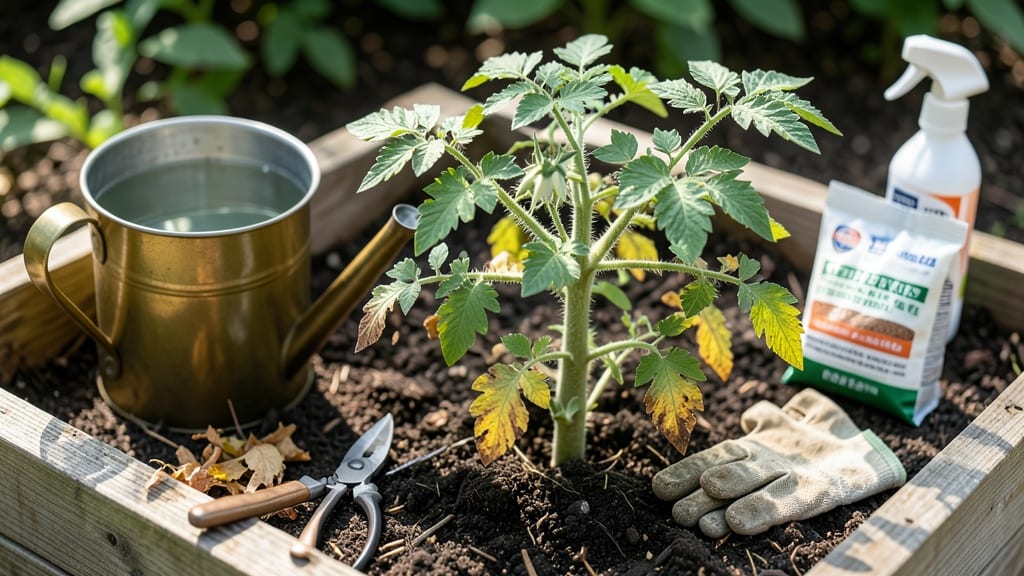
Bringing tomato plants back to life starts with a simple 3% hydrogen peroxide solution—my go-to for root rot and fungal issues that turn leaves yellow overnight. 🌱 I’ve saved dozens of plants with this method, even when they looked hopeless.
The key is acting fast before the roots give up completely. First, check the roots: healthy ones are firm and white, while mushy or brown roots mean trouble.
Gently rinse the roots in your peroxide solution (1 part peroxide to 3 parts water) for 10 minutes—this cleans and disinfects without harming the plant. Afterward, repot in fresh, well-draining soil and keep the soil lightly moist but never soggy.
Within a week, you’ll see new green leaves pushing out if the roots are still alive. The peroxide kickstarts regrowth by killing harmful microbes while preserving good bacteria. For prevention, space plants properly, water at the base, and avoid overhead sprinkling—this keeps fungal diseases at bay.
This method works for both container and in-ground tomatoes, even in hot summers. The secret? Patience and consistent care. Your plants might surprise you—just give them a fighting chance!
Root Problems Exposed
Tomato plants may appear lifeless, but often, the issue starts below the soil—where roots struggle silently. Understanding the root causes (literally!) helps you diagnose and revive your plants effectively. Here’s why tomato roots fail and how to spot the signs before it’s too late.
Why it happens: Tomato roots thrive in well-draining soil with oxygen, but excess moisture suffocates them. When soil stays soggy for days, beneficial microbes die off, and fungal pathogens like Phytophthora and Pythium take over. These microbes attack root cells, causing soft, mushy roots that can’t absorb water or nutrients—even if the soil looks damp.
Key signs:
- Yellowing leaves (even on lower stems)
- Wilting despite moist soil
- Roots that smell rotten or sour when pulled
- Black, slimy root tips
Pro tip: 💡 Test your soil’s moisture by squeezing a handful—if water drips out immediately, it’s too wet. Tomato roots need 60-70% air space in soil; compacted or clay-heavy soil worsens the issue.
Why it happens: While overwatering drowns roots, chronic underwatering causes roots to shrink and die back from the tips inward. Without moisture, root cells plasmolyze (lose turgor pressure), and fine feeder roots—critical for nutrient uptake—desiccate and brown. Severe cases lead to complete root collapse, leaving the plant unable to support itself.
Key signs:
- Crispy, brown leaf edges (even on young leaves)
- Soil pulls away from pot edges (indicating extreme dryness)
- Roots that appear dry, brittle, or hollow when inspected
- Stunted growth despite sunny conditions
Pro tip: 🌡️ Mulch heavily (2–3 inches of straw or wood chips) to retain soil moisture. Drip irrigation or soaker hoses deliver water slowly and deeply, encouraging roots to grow downward where moisture lasts longer.
Why it happens: Tomato plants are heavy feeders, and poor soil nutrition leads to weak, stunted roots. Two critical deficiencies often strike:
- Nitrogen (N) deficiency → Roots grow short and sparse, reducing surface area for water uptake.
- Phosphorus (P) deficiency → Slows root cell division, resulting in thin, brittle roots that can’t support the plant.
Key signs:
- Nitrogen: Pale yellow leaves (older leaves first), stunted growth
- Phosphorus: Dark green/purple stems, delayed flowering, roots that look "hairless"
- Potassium (K) deficiency: Weak roots with brown, dead tips (common in sandy soils)
Pro tip: 📊 Test your soil (DIY kits cost ~$20) before planting. Tomatoes need a balanced 5-10-10 or 10-10-10 fertilizer at planting, with side-dressing (e.g., compost or banana peels for potassium) mid-season.
Why it happens: Roots need oxygen to respire and grow. Compacted soil (from foot traffic, heavy clay, or poor amendments) squeezes out air pockets, forcing roots to grow upward in search of oxygen—a phenomenon called "choking." Without oxygen, roots suffocate, turn black or purple, and stop absorbing water efficiently.
Key signs:
- Surface roots (visible above soil)
- Slow wilting even when watered
- Soil that feels hard as a brick when dry
- Growth stalls despite ideal conditions
Pro tip: ✨ Aerate compacted soil by:
- Adding coarse sand or perlite (20% of soil volume).
- Using a garden fork to poke holes 6–8 inches deep.
- Planting in raised beds with a mix of compost and coconut coir for fluffiness.
Why it happens: Underground pests devour roots, leaving plants starved for water and nutrients.
Common culprits: - Root-knot nematodes → Tiny worms that swell root cells, creating galls (lumpy growths). - Grubs (Japanese beetle larvae) → Chew roots into frayed, skeletonized strands. - Cutworms → Sever roots at the stem base, causing sudden collapse.
Key signs:
- Galls or knots on roots (nematodes).
- Holes or chewed roots (grubs).
- Plant wilts overnight (cutworms).
- Yellowing in patches (localized root damage).
Pro tip: 🎯 Prevent pests with:
- Neem oil spray (repels nematodes and soft-bodied pests).
- Beneficial nematodes (Steinernema spp.) to kill grubs naturally.
- Row covers to block cutworms before they lay eggs.
Revive Your Tomato Plants Now
When your tomato plants look wilted, limp, or just plain lifeless, quick action can mean the difference between a thriving garden and a sad loss. Below are practical, step-by-step solutions tailored to the most common causes of tomato plant decline—plus tips to keep your plants healthy long-term.
If your tomato plants are drooping, yellowing, or have mushy stems, root rot from overwatering is likely the culprit. Hydrogen peroxide can help, but you’ll also need to adjust your watering habits.
🍳 Step 1: Stop Watering Immediately
- Let the soil dry out completely for 24–48 hours to prevent further rot.
- Avoid soggy soil—water only when the top 1–2 inches feel dry.
👨🍳 Step 2: Trim Damaged Roots & Foliage
- Gently remove the plant from the soil and prune black, mushy roots with sterilized scissors.
- Trim yellow or wilted leaves to redirect energy to recovery.
🥘 Step 3: Hydrogen Peroxide Soak (Optional but Helpful)
- Mix 1 part 3% hydrogen peroxide with 4 parts water.
- Soak the roots in this solution for 10–15 minutes to kill fungus and bacteria.
- ⚠️ Warning: Do not use full-strength peroxide—it can burn roots!
⏰ Step 4: Repot in Fresh, Well-Draining Soil
- Use a clean pot with drainage holes and fresh potting mix (avoid garden soil).
- Add a handful of perlite or sand to improve drainage.
- Water lightly and place in bright, indirect light (no direct sun yet).
💡 Prevention Tips
- Water deeply but infrequently—tomatoes hate "wet feet."
- Mulch around the base to regulate soil moisture.
- Check drainage—if water pools after 30 minutes, your pot or soil is too dense.
Cracked soil, crispy leaves, or plants that sag in the heat? Your tomatoes are thirsty or overheated. Here’s how to bring them back:
💧 Step 1: Hydrate Slowly
- Water deeply at the base (not overhead) until moisture seeps out the drainage hole.
- Repeat every 2–3 days until leaves perk up.
🌿 Step 2: Provide Shade & Cool Relief
- Move potted tomatoes to a shadier spot (dappled sunlight is ideal).
- Use a lightweight shade cloth (30–50%) if temps exceed 90°F (32°C).
🍅 Step 3: Foliar Spray for Recovery
- Mix 1 tsp hydrogen peroxide + 1 tsp neem oil in 1 quart of water.
- Lightly mist leaves in the early morning to boost hydration and deter pests.
✨ Prevention Tips
- Water in the morning to reduce evaporation.
- Use self-watering pots or drip irrigation for consistency.
- Group tomatoes with leafy companions (like basil or borage) to create natural shade.
Holes in leaves, chewed stems, or white mold? Pests or diseases are sapping your plant’s strength. Act fast!
🐜 Step 1: Identify the Problem
| Issue | Signs | Quick Fix |
|---|---|---|
| Aphids/Spider Mites | Sticky leaves, tiny webs | Spray with soapy water (1 tsp dish soap + 1 quart water). |
| Fungal Blight | Brown spots, yellow leaves | Remove infected leaves; spray copper fungicide. |
| Root-Knot Nematodes | Stunted growth, gnarled roots | Soak roots in hydrogen peroxide solution (1:4 ratio) for 10 mins before repotting. |
🌱 Step 2: Strengthen Defenses
- Boost immunity with a balanced fertilizer (10-10-10) or compost tea.
- Interplant with marigolds or nasturtiums to repel pests naturally.
🎯 Prevention Tips
- Rotate crops—don’t plant tomatoes in the same spot yearly.
- Inspect leaves daily for early signs of infestation.
- Avoid overhead watering to prevent fungal spread.
With these targeted fixes, your tomato plants should bounce back in 3–7 days. Stay consistent with care, and soon you’ll be harvesting juicy, homegrown tomatoes! 🍅🌿
Frequently asked questions
How do I know if my tomato plant’s roots are still alive?
Gently pull the plant from the soil and examine the roots. Healthy roots are firm and white or pale yellow. If you see mostly brown, mushy, or black roots with a foul smell, they’re dead. For borderline cases, soak the roots in water for 10 minutes—if they float, they’re likely beyond saving. If they sink, there’s still hope!
Can I use vinegar or bleach to treat root rot?
Never use bleach—it’s toxic to plants and can harm beneficial microbes. Vinegar (even diluted) is too acidic and will damage roots further. Stick to 3% hydrogen peroxide (1:4 ratio with water) or a baking soda solution (1 tsp per gallon of water) for a safer, effective alternative.
How long should I wait before fertilizing after reviving my tomato plant?
Wait 2–3 weeks before applying fertilizer to give your plant time to recover. Start with a balanced, water-soluble fertilizer (5-5-5) at half-strength. Avoid high-nitrogen formulas—they can stress weak roots. Monitor the plant closely for signs of stress or overfeeding.
What’s the best way to prevent tomato plants from dying in extreme heat?
Provide afternoon shade with a lightweight shade cloth (30–50%) and water deeply in the early morning when evaporation is lowest. Mulch with 2–3 inches of straw to keep roots cool. For potted tomatoes, move them to a sheltered spot and use self-watering containers to maintain moisture.
Is it too late to save a tomato plant with no leaves?
It depends! If the stem is still firm and green, there’s a chance. Trim all dead leaves, repot in fresh soil, and place in bright, indirect light. Keep the soil lightly moist and watch for new growth in 1–2 weeks. If the stem is soft or black, the plant is likely beyond saving.