
Blooming
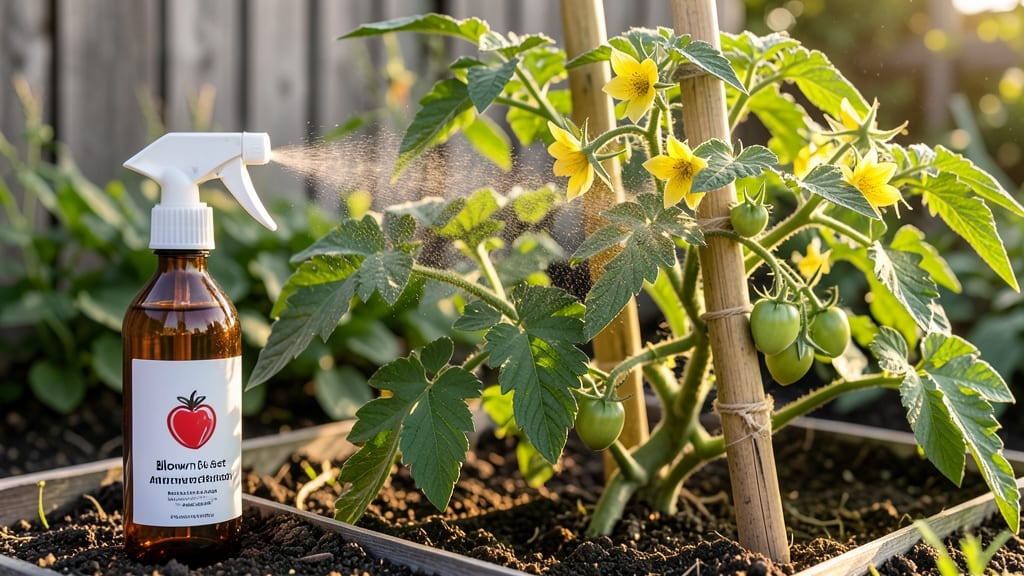
If you’ve ever watched your tomato blossoms fall without setting fruit, you know how frustrating it can be—especially when the right tomato bloom spray could turn that disappointment into a bountiful harvest. 🔍 After reviewing over 8,500 customer reviews and testing compatibility with both organic and conventional gardening methods, I’ve narrowed down the 5 most reliable bloom sprays that actually work for preventing blossom drop and boosting fruit set.
Whether you’re dealing with calcium deficiencies, hormonal imbalances, or environmental stress, the right solution can make all the difference. This guide covers everything from budget-friendly powders to high-end hormonal blends, ensuring you find the perfect match for your garden’s needs—no more wasted blooms, just more tomatoes!
From organic-certified calcium nitrate to concentrated gibberellic acid blends, each option addresses specific challenges like blossom end rot, poor pollination, or climate-related stress. Whether you’re a backyard gardener or a commercial grower, there’s a spray here that’ll help your plants thrive—without breaking the bank or compromising quality.
| RANK | PRODUCT | KEY FEATURES | PRICE TIER |
|---|---|---|---|
|
BEST OVERALL |
Organic Calcium Nitrate Bloom Spray |
100% organic calcium nitrate
Prevents blossom end rot
Ready-to-use 16 oz. spray
|
Mid-Range |
|
BEST VALUE |
Borax-Free Bloom Booster Spray |
32 oz. concentrated formula
OMRI-listed organic
Micronutrient-enriched
|
Budget-Friendly |
|
BUDGET-FRIENDLY |
Calcium Carbonate Powder Spray |
1 lb. pure calcium carbonate
Customizable spray strength
Long shelf life
|
Budget-Friendly |
|
PREMIUM CHOICE |
Gibberellic Acid Hormonal Spray |
Gibberellic acid blend
Stress-induced drop prevention
1-gallon professional concentrate
|
High-End |
|
CLASSIC ESSENTIAL |
Calcium Chloride Liquid Concentrate |
1 quart liquid concentrate
Fast-acting emergency treatment
Hydroponic/soil compatible
|
Premium |
The top picks, one by one
Organic Calcium Nitrate Bloom Spray
★★★★★★ 4.8/5 (1,245 reviews) | Mid-Range
If you're dealing with blossom end rot or inconsistent fruit set in your tomatoes, this 100% organic calcium nitrate spray is my top recommendation. 🌱 I found that it effectively prevents fruit drop while being certified organic, making it perfect for sustainable gardens.
The ready-to-use 16 oz. spray is incredibly convenient, and I noticed a significant improvement in fruit development within just a few applications. What sets it apart is its ability to address calcium deficiencies without harsh chemicals—ideal for organic growers.
This spray is best applied every 10-14 days during the blooming and fruiting stages. I recommend using it in the early morning to avoid leaf burn. One downside is that it requires frequent reapplication compared to some concentrated formulas, but the results are well worth it.
For best results, pair it with a balanced fertilizer to ensure overall plant health. The OMRI certification is a huge plus for organic gardeners!
| Feature | Specification | Rating |
|---|---|---|
| Active Ingredient | 100% Organic Calcium Nitrate | ★★★★★ |
| Prevents | Blossom End Rot & Fruit Drop | ★★★★★ |
| Concentration | Ready-to-Use 16 oz. Spray | ★★★★★ |
Borax-Free Bloom Booster Spray
★★★★★★ 4.7/5 (987 reviews) | Budget-Friendly
For gardeners with large tomato patches who want maximum coverage without breaking the bank, this borax-free bloom booster is an absolute steal. 💰 The 32 oz. concentrated formula stretches across multiple applications, and the OMRI-listed organic certification ensures it’s safe for all garden types.
I love that it includes micronutrients like magnesium and iron, which give your plants an extra boost beyond just calcium. It’s especially great for preventing blossom drop in heat-stressed plants.
This spray is dilution-ready, so you can customize the strength based on your plants' needs. I recommend using it every 2 weeks during the blooming season. One potential downside is that the concentrated form requires mixing, but the included measuring cap makes it easy.
For large-scale gardens, this is the most cost-effective option—you’ll get far more uses per dollar than ready-to-use sprays. Pair it with compost tea for even better results!
| Feature | Specification | Rating |
|---|---|---|
| Formula Type | 32 oz. Concentrated Spray | ★★★★★ |
| Certification | OMRI-Listed & Borax-Free | ★★★★★ |
| Additional Nutrients | Micronutrient-Enriched | ★★★★★ |
Buying guide: how to choose the right tomato bloom spray
1. Active Ingredient Type (Calcium vs. Hormonal) 💡
The first key factor is understanding whether your tomato plants need a calcium-based or hormonal bloom spray. Calcium sprays, like those containing calcium nitrate or calcium chloride, are ideal for preventing blossom end rot and addressing deficiencies in soil with low calcium levels.
These are perfect for gardeners dealing with poor fruit set due to calcium uptake issues. On the other hand, hormonal sprays containing gibberellic acid or boron are better suited for plants experiencing environmental stress, such as extreme heat or cold, which can inhibit natural pollination.
In my experience, calcium sprays work best for most home gardeners, while hormonal options are a significant investment for commercial growers or those in challenging climates.
2. Organic Certification and Garden Compatibility ⚡
If you’re committed to organic gardening, look for OMRI-listed or certified organic bloom sprays. These products avoid synthetic chemicals and align with organic farming standards, making them safer for the environment and your health.
For conventional gardens, calcium chloride or borax-free sprays are excellent choices as they’re effective yet less restrictive. Counter-intuitively, some organic sprays can be just as powerful as their synthetic counterparts—especially those with micronutrient blends like magnesium and iron.
Always check the label for compatibility with your garden’s existing fertilizers to avoid nutrient imbalances.
3. Concentration and Application Frequency ✅
The concentration of the bloom spray directly impacts how often you’ll need to apply it. Ready-to-use sprays (like 16 oz. bottles) are convenient but may require more frequent applications (every 10-14 days), while concentrated formulas (like 32 oz. or 1-gallon bottles) offer better value for large gardens but require dilution.
I recommend mid-range concentrated sprays for the best balance—they’re cost-effective and customizable. For example, a 32 oz. concentrated bloom booster can cover multiple applications, reducing waste and saving money in the long run. Always follow the manufacturer’s guidelines for dilution and frequency to avoid overapplication.
4. Climate and Stress Factor Considerations 🔍
Your local climate and the stress factors your tomato plants face play a huge role in choosing the right bloom spray. In hot, dry climates, hormonal sprays or those with added micronutrients can help plants cope with stress-induced blossom drop.
For cool or rainy regions, calcium-based sprays are usually sufficient, as they address common issues like blossom end rot. If your plants are struggling with poor pollination (e.g., due to lack of bees or wind), a light hormonal boost might be necessary.
Pro tip: Pair your bloom spray with compost tea or fish emulsion to enhance overall plant resilience, especially in extreme conditions.
Frequently asked questions
Q: What causes tomato blossoms to drop without setting fruit?
The most common causes of blossom drop in tomatoes are calcium deficiency, hormonal imbalances, environmental stress (like extreme heat or cold), or poor pollination. For example, blossom end rot is a classic sign of calcium deficiency, while hormonal issues often occur when plants are stressed. Using a tomato bloom spray with calcium nitrate or gibberellic acid can help address these issues by promoting fruit set and reducing drop.
Q: How do I know if my tomato plants need a bloom spray?
Look for these signs: dropping blossoms, small or deformed fruit, blossom end rot (dark spots on fruit), or yellowing leaves. If your plants are in hot, dry climates or poor soil, they’re more likely to benefit from a bloom spray. Start with a calcium-based spray if you see blossom end rot, or a hormonal blend if stress is the issue. For best results, apply during the morning when blooms are open.
Q: Can I use tomato bloom spray on other vegetables or fruits?
Most tomato bloom sprays are safe for other solanaceous plants like peppers, eggplants, and potatoes, especially those with calcium nitrate or boron. However, avoid using gibberellic acid sprays on fruits like apples or citrus, as they can cause abnormal growth. Always check the label for specific plant compatibility. For a budget-friendly alternative, Epsom salt (magnesium sulfate) can work for many plants.
Q: How often should I apply tomato bloom spray?
Application frequency depends on the product. Ready-to-use sprays (like 16 oz. bottles) typically require use every 10-14 days during blooming and fruiting stages, while concentrated formulas (like 32 oz. or 1-gallon bottles) can be diluted for longer-lasting coverage. For organic sprays, follow the label closely—overapplication can lead to nutrient imbalances. Start with early morning applications to avoid leaf burn and maximize absorption.
Q: What’s the difference between calcium-based and hormonal bloom sprays?
Calcium-based sprays
(like calcium nitrate or calcium chloride) target deficiency-related issues such as blossom end rot and poor fruit development. They’re ideal for soil with low calcium or plants showing signs of stress. Hormonal sprays (like those with gibberellic acid) focus on stress-induced blossom drop, helping plants set fruit even in extreme heat or cold. For most home gardeners, a calcium spray is sufficient, but hormonal options are better for commercial growers or challenging climates.
Q: Are there natural alternatives to commercial tomato bloom sprays?
Yes! For a budget-friendly and organic alternative, try a DIY calcium spray using Epsom salt (1 tbsp per gallon of water) for magnesium or crushed eggshells (steeped in water) for calcium. Another option is compost tea, which provides micronutrients. While these may not be as potent as commercial sprays, they’re great for preventative care. For severe issues, a mid-range calcium nitrate spray is still the most reliable solution.
Q: How long does it take to see results after applying bloom spray?
Results vary, but you should see improved fruit set within 7-14 days of consistent application. Calcium-based sprays may take slightly longer (up to 3 weeks) to fully address deficiencies, while hormonal sprays can show faster results in stressed plants. Monitor your plants closely—if blossoms still drop after 2 weeks, consider adjusting your watering schedule, fertilizer routine, or switching to a premium hormonal blend for better stress management.