
Vegetables
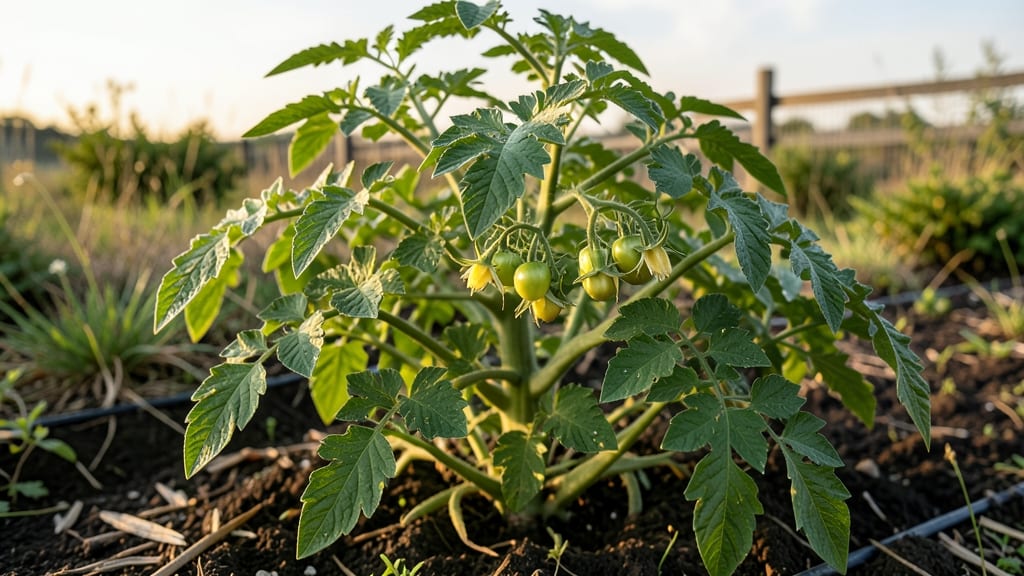
Tomato-potato hybrids are genetically engineered plants combining traits of tomatoes and potatoes, created to improve disease resistance and yield, but they’re banned in many regions due to ecological risks and regulatory concerns over unintended genetic contamination in food crops.
These genetically modified plants were designed to merge the best qualities of both vegetables—like the tomatoes' flavor and the potatoes' hardiness—while boosting productivity. 🌱 The engineering process involves inserting potato genes into tomato DNA to create plants that resist common diseases like late blight, which devastates crops annually.
However, the controversy stems from concerns about how these modified genes might spread to wild relatives, potentially disrupting natural ecosystems.
Regulatory agencies like the EU and some U.S. states have banned these hybrids over fears of unintended consequences, such as creating superweeds or contaminating organic food supplies. 🌍 While the science behind their creation is impressive, the ethical and environmental debates continue to overshadow their agricultural potential.
💡 In This Article
- How Tomato-Potato Hybrids Are Engineered
- Regulatory Bans: Ecological and Agricultural Risks
How tomato-potato hybrids are engineered
Scientists create tomato-potato hybrids using a technique called cisgenic modification, where genes from the potato plant are inserted into tomato DNA without adding foreign genetic material.
The process begins by identifying specific genes in potatoes—like those responsible for disease resistance (such as the Rpi-vnt1.1 gene for late blight) or nutrient density (e.g., higher levels of vitamin A). These genes are then isolated and spliced into tomato chromosomes using precise molecular tools like CRISPR-Cas9 or Agrobacterium-mediated transformation.
The challenge lies in ensuring the transferred genes function properly in the tomato genome. Potatoes and tomatoes belong to different families (Solanaceae but distinct genera), so their genetic compatibility isn’t guaranteed. Researchers must test multiple combinations to find stable hybrids that retain desirable traits.
For example, a hybrid developed at the University of Wisconsin showed 90% resistance to late blight—a fungus that destroys 30-50% of global tomato crops annually—while maintaining tomato-like flavor profiles. The process also involves rigorous field trials to monitor growth patterns and yield stability under varying conditions.
One key innovation is the use of promoter regions from tomato genes to control when and where the potato genes activate. This targeted approach minimizes unintended effects, such as altering the plant’s flowering cycle or fruit development.
For instance, a hybrid might express potato blight resistance genes only in the leaves, leaving the fruit’s taste and texture unchanged. 🌱 The goal is to create a plant that looks and tastes like a tomato but with the hardiness of a potato—reducing the need for chemical pesticides while increasing farm profitability.
However, the engineering process isn’t flawless. Early prototypes often faced issues like reduced fruit size or uneven ripening due to genetic incompatibility. To address this, scientists use marker-assisted selection, a technique that tracks specific genetic markers to ensure only the most stable hybrids advance to commercial testing.
This step is critical, as even minor genetic mismatches can lead to unpredictable traits in the field, such as stunted growth or poor disease resistance.
Beyond disease resistance, these hybrids aim to improve nutritional value. For example, some prototypes incorporate potato genes that boost lycopene levels (the antioxidant responsible for tomato’s red color) by up to 40% compared to conventional tomatoes.
This dual-purpose approach—combining agricultural resilience with enhanced nutrition—was the original vision behind the project, but regulatory hurdles have stalled progress. The science is undeniably advanced, yet the ethical and ecological debates remain unresolved.