
Vegetables
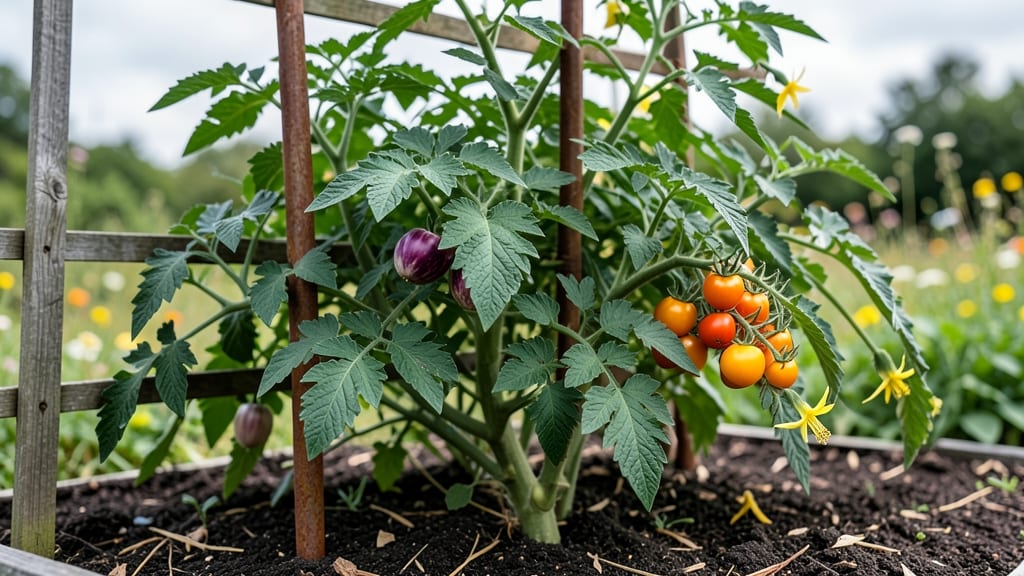
An heirloom tomato definition highlights these as non-hybrid, open-pollinated varieties cultivated and preserved through generations, celebrated for their distinctive flavors, vibrant colors, and heirloom traits like striped skins or antique shapes. These plants maintain genetic consistency through saved seeds, allowing gardeners to grow identical varieties year after year while supporting biodiversity in home gardens.
These tomatoes stand out because their seeds produce plants that look and taste exactly like their parents—unlike hybrid varieties that require repurchasing seeds each season. 🌱 The genetic diversity in heirloom lines often translates to richer flavors and more complex textures, though they may require extra care against pests and diseases.
Many gardeners choose heirloom varieties specifically for their ability to create unique, family-specific plant lines over decades.
What makes heirloom tomatoes especially valuable is their role in preserving agricultural heritage. Many varieties trace back to specific regions or historical periods, offering flavors lost in modern commercial breeding.
For example, the Brandywine variety produces massive, sweet fruits that have been passed down since the 1800s, while Black Krim tomatoes deliver smoky, tangy profiles perfect for heirloom tomato sauce.
💡 In This Article
- Genetic and Botanical Traits of Heirloom Tomatoes
- Growing and Selecting Heirloom Tomato Varieties
Genetic and botanical traits of heirloom tomatoes
Heirloom tomatoes derive their unique characteristics from their open-pollinated genetic structure, where plants reproduce naturally through cross-pollination by wind, bees, or other vectors. This process creates stable, predictable traits that remain consistent across generations when seeds are saved.
In contrast, hybrid tomatoes are the result of controlled crossbreeding between two distinct parent varieties to achieve specific traits like disease resistance or uniform size—but these hybrids produce sterile seeds that won't grow true to type.
The genetic diversity of heirloom varieties often translates to complex flavor profiles, with some containing 30-50% more sugars than commercial hybrids.
For example, the Cherokee Purple variety develops deep purple-black skins with rich, smoky undertones, while Sun Gold tomatoes contain high levels of lycopene and beta-carotene, giving them a sweet, tropical taste.
This diversity also makes heirlooms more vulnerable to pests and diseases, as their genetic uniformity within a single variety is lower than in hybrids bred for resilience.
Seed-saving reliability is where heirloom tomatoes truly shine. When you harvest seeds from an heirloom tomato, those seeds will produce plants identical to the parent in 95-99% of cases, assuming proper pollination occurred. This consistency allows gardeners to develop family-specific strains over generations—something impossible with hybrid seeds.
The process involves fermenting the gel-like pulp surrounding seeds to break down inhibitors, then drying them for storage, ensuring viability for 3-5 years when kept in a cool, dark place.
Historically, heirloom tomatoes trace back to indigenous and immigrant communities who preserved seeds as cultural heritage. Many varieties, like Green Zebra with its striped skin, were developed in specific climates to thrive under local conditions.
Unlike modern hybrids bred for shelf life and transportability, heirlooms prioritize flavor and adaptability, often requiring longer growing seasons (85-100 days) to reach maturity compared to hybrid counterparts (50-70 days).
Consider the Black Beauty variety: its deep purple flesh contains higher concentrations of anthocyanins (antioxidants) than red tomatoes, but this same trait makes it more susceptible to cracking in hot weather. This trade-off between flavor complexity and gardening challenges defines the heirloom experience.
The genetic stability also means you can experiment with unique growing techniques—like vertical trellising for Brandywine tomatoes—to optimize both yield and flavor.