
Companion Plants
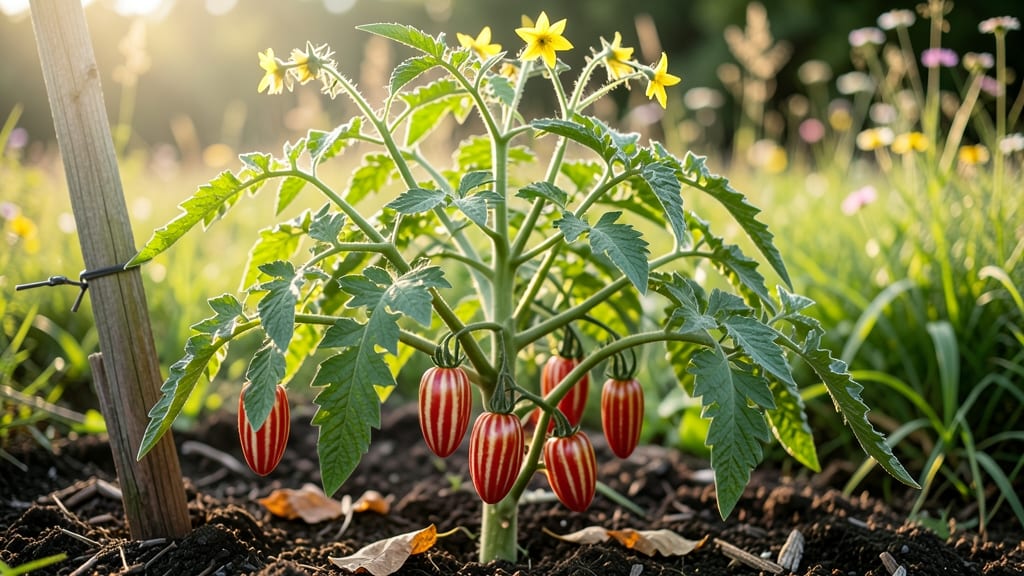
Growing striped Roman tomato plants transforms your garden into a showstopper. 🌱 These heirloom beauties produce vibrant pink-and-yellow striped fruits that taste like summer in every bite, and their compact, determinate growth makes them perfect for small spaces or containers.
I planted mine last spring, and within weeks, the plants were heavy with fruit—no sprawling vines to manage, just a tidy, productive bush. The secret to their success lies in well-draining soil and full sun (at least 6-8 hours daily).
Amend your soil with compost before planting, and water at the base to keep leaves dry—this variety is prone to cracking if overwatered. Prune suckers sparingly to maintain shape, but don’t overdo it; these plants thrive on their natural structure.
You’ll harvest sweet, meaty fruits in about 70 days, perfect for slicing, sauces, or fresh eating. The plants keep producing until frost, giving you a steady supply. My neighbors couldn’t believe how easy they were to grow—no fancy tricks, just good soil, sunlight, and patience.
Best of all, they’re disease-resistant compared to other heirlooms, making them a low-maintenance star for beginners and experts alike. Whether you’re growing in pots or garden beds, these tomatoes deliver flavor and beauty without the fuss.
📚 In This Guide
- What you need
- Instructions
- Tips and common mistakes
- Wrapping up and next steps
What you need
- ● Striped Roman tomato seeds or seedlings: 3–5 plants (for a small harvest) or 10+ (for a bountiful yield). Choose organic, heirloom seeds if possible!
- ● Well-draining potting mix: 10–20 lbs (4.5–9 kg) of high-quality, peat-free soil amended with compost (aim for a pH of 6.0–6.8).
- ● Containers or garden space: For container gardening: 5-gallon pots or larger (minimum 12" deep) with drainage holes. Opt for fabric grow bags for better aeration.
- ● For in-ground planting: Full sun (6–8+ hours daily) and space 18–24" apart in rows 3–4' apart.
- ● Fertilizer: Balanced organic fertilizer (e.g., 5-5-5 or 10-10-10) or compost tea for a nutrient boost.
- ● Support system: 5–6' tall cages or sturdy stakes (2–3 per plant) to handle their towering vines.
- ● Hand trowel or transplanting spade for planting.
- ● Watering can or hose with a gentle spray nozzle (drip irrigation is ideal for consistency!).
- ● Pruning shears to trim suckers and encourage upward growth.
- ● Mulch (straw or shredded leaves) to retain moisture and suppress weeds.
- ○ Shade cloth (optional) for seedlings if temperatures exceed 85°F (29°C).
- ○ Companion plants (optional but fun!): Basil, marigolds, or borage to deter pests.
- ● Avoid planting near brassicas (e.g., cabbage) or fennel.
How to grow striped Roman tomatoes for stunning vertical yields
This heirloom variety thrives when you follow these precise steps—expect 6-foot vines and bright yellow-striped fruit bursting with flavor.
🌱 Step 1: Select the Perfect Site and Planting Time
Striped Romans need full sun—at least 8 hours daily—and warm soil to germinate. I plant mine 4-6 weeks before last frost in my zone 7 garden, but adjust for your climate. Choose a spot with well-draining soil and support nearby (a 6-foot cage or sturdy trellis). These vines grow aggressively, so give them 18-24 inches of space between plants.
The key here is soil temperature. Wait until the ground reaches at least 60°F—cold soil delays germination. I use a soil thermometer to check; if it’s cooler, wait a week or two. Planting too early risks rot and poor root establishment.
🌿 Step 2: Prepare Soil and Plant with Precision
Amend the soil with 2-3 inches of compost mixed into the top 12 inches of soil. Striped Romans thrive in slightly acidic to neutral pH (6.0-7.0). I test my soil annually and add lime or sulfur as needed to hit the sweet spot. Dig a hole twice as wide as the root ball but only as deep as the container—burying too deep stresses the plant.
Gently remove the tomato from its pot and loosen the roots if they’re circling. Place the plant in the hole, backfill with soil, and water deeply to eliminate air pockets. Press the soil lightly around the base—this helps roots anchor immediately. Here’s the thing: don’t fertilize at planting. Wait until 2-3 weeks after transplanting to avoid burning tender roots.
☀️ Step 3: Train Vines for Maximum Vertical Growth
Striped Romans grow indeterminately, meaning they keep producing until frost. To manage their 6-foot height, I install a strong trellis or cage at planting. As the main stem reaches 18 inches, I tie it to the support with soft plant ties (never wire—it cuts stems). Prune suckers (the shoots in the leaf axils) weekly to redirect energy to fruit production.
Watch for first flowers around 6-8 weeks after planting. Pinch off the first few blossoms if the plant looks stressed—this encourages stronger growth before heavy fruiting. Once flowers appear, reduce nitrogen (switch to a low-nitrogen, high-phosphorus fertilizer) to boost flowering and fruiting. You’ll know you’re on track when the plant bursts with bright yellow blossoms and the vines thicken daily.
💧 Step 4: Water and Feed for Consistent Harvests
Striped Romans hate inconsistent moisture. Water deeply 1-2 times per week, aiming for 1-1.5 inches of water each session. Let the top 2 inches of soil dry between waterings—this prevents blossom-end rot and cracks in the fruit. I water early in the morning to reduce disease risk from wet foliage.
Feed every 2-3 weeks with a balanced fertilizer (10-10-10 or 5-5-5) until fruit sets, then switch to a low-nitrogen, high-potassium formula (like 0-10-10) to sweeten the fruit. You’ll see it working when the striped yellow fruit swells and the vines produce new blossoms weekly through fall. Mulch with straw to retain moisture and keep soil temps steady.
✂️ Step 5: Harvest and Prune for Prolonged Production
Striped Romans ripen unevenly, so check the vines every 2-3 days starting in mid-summer. Pick fruit when it’s fully colored (deep red with yellow stripes) and slightly soft to the touch. Twist gently to avoid damaging the stem. The first harvest is always the sweetest—these tomatoes develop complex, tangy-sweet flavors when fully ripe.
As fall approaches, prune aggressively to extend the season. Remove yellow leaves (a sign of disease or age) and any fruit still green—this forces the plant to focus energy on ripening existing tomatoes. If frost threatens, harvest unripe fruit and ripen indoors in a cool, dark place. You’ll be amazed how well they finish—just like vine-ripened heirlooms!
Tips & tricks for perfect striped Roman tomato growth
Here's what nobody tells you about growing these showstopping vines—these tricks make all the difference between decent tomatoes and jaw-dropping harvests.
Soil Temperature Secret: That 60°F soil temperature isn't just a suggestion—it's non-negotiable for germination. I've seen seedlings rot when planted too early because cold soil creates anaerobic conditions. Use a soil thermometer for a week to track morning temps before planting. Pro tip: Black plastic mulch can raise soil temps by 5-10°F if you're in a cooler climate, helping you plant earlier.
Support System Strategy: Don't wait until the plant is already struggling to install your trellis. Set up your 6-foot support structure at planting time—these vines grow 1-2 feet per week once established! I use galvanized tomato cages for their durability, but if you're going for maximum vertical growth, a wooden lattice or sturdy bamboo poles work even better. The key is securing the main stem before it gets too heavy to handle.
Pruning Precision: Those weekly sucker removals in Step 3 aren't just busywork—they're how you control your plant's energy. Use sharp pruners to cut suckers at their base, not tear them. I've found that removing suckers below the first flower cluster actually increases fruit size. And here's the thing: prune in the morning when the plant is turgid—you'll see fresh green growth by afternoon.
Harvesting Hack: The every 2-3 days check isn't about being obsessive—it's about catching tomatoes at peak ripeness. Striped Romans develop their signature yellow stripes 2-3 days before full ripeness, so look for that color change. For unripe tomatoes, I harvest them when they're pink with just a hint of yellow and ripen indoors in a paper bag with a banana (the ethylene gas speeds up ripening).
Pro Tips for Striped Roman Tomato Plants
- Here's what nobody tells you about growing these showstopping vines—these tricks make all the difference between decent tomatoes and jaw-dropping harvests.
- Soil Temperature Secret: That 60°F soil temperature isn't just a suggestion—it's non-negotiable for germination.
- Support System Strategy: Don't wait until the plant is already struggling to install your trellis.
Frequently asked questions
Got questions about growing Striped Roman tomato plants? You’re not alone! Here are some of the most common queries—plus quick answers to help you grow like a pro.
When is the best time to plant Striped Roman tomatoes?
Plant after the last frost when soil reaches 60°F (15°C). For cooler climates, start seeds indoors 6-8 weeks before the last frost and transplant seedlings after hardening off. In warm zones, direct-sow seeds in early spring for a fall harvest.
How much sun do Striped Roman tomatoes need daily?
These sun-lovers thrive with 6-8+ hours of full sun daily. If your garden gets less than 6 hours, supplement with a grow light or choose a sunnier spot. Partial shade can reduce yield and flavor, so prioritize bright, direct sunlight.
Can I grow Striped Roman tomatoes in containers?
Use a 5-gallon+ pot with drainage holes and fill it with well-draining potting mix. Place containers in a sunny spot and stake or cage plants to support their weight. Just ensure containers get regular watering—they dry out faster than in-ground plants.
What pests should I watch for with Striped Roman tomatoes?
Common culprits include hornworms, aphids, and spider mites. Handpick hornworms (they’re huge and easy to spot!) and spray plants with neem oil or insecticidal soap for aphids. For prevention, use row covers early in the season and rotate crops yearly.
How do I know when Striped Roman tomatoes are ripe?
Look for deep red color with faint yellow stripes, a slight softness when gently squeezed, and a sweet, tangy aroma at the stem. Avoid picking too early—they’ll never reach peak flavor! Harvest in the morning when sugars are highest.
Wrapping up and next steps
Growing striped Roman tomato plants is a rewarding journey that brings bold flavors and stunning visuals to your garden! 🌱 Their unique stripes, towering vines, and rich taste make them a standout choice for both beginners and seasoned gardeners.
Whether you're planting them in containers or alongside companion plants, these tomatoes promise a harvest worth celebrating.
Now that you’re equipped with the how-tos and pro tips, it’s time to roll up your sleeves and get growing! Start by selecting the perfect spot, nurture those seedlings with care, and soon enough, you’ll be savoring homegrown goodness. Happy gardening—your next big harvest awaits! 🍅✨