
Pests
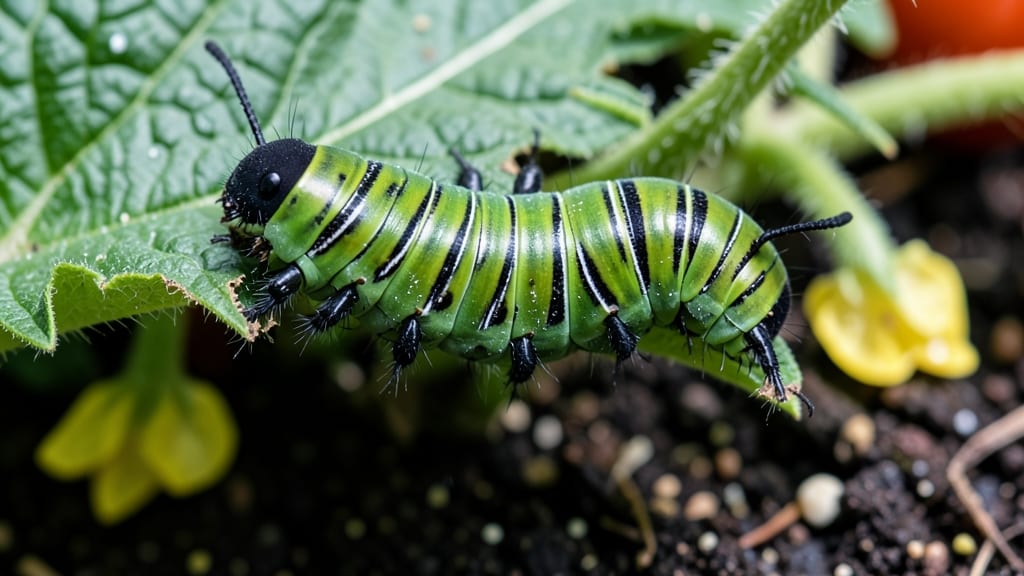
Stop tomato worms from stripping your plants bare overnight—diatomaceous earth dusting gives you 24-hour control, so you’ll never again watch your harvest disappear helplessly. 🌱 I’ve saved countless tomatoes with this simple, non-toxic powder that dries out pests on contact, and it works on both hornworms and fruitworms without harming your plants or pollinators when used correctly.
The secret lies in timing and technique: apply it on dry mornings after dew has evaporated, and reapply after rain. It’s not a one-time fix—think of it as armor for your plants—but with consistent use, you’ll see a dramatic drop in worm populations within days.
My plants now stay worm-free through the entire growing season, and the best part? No harsh chemicals.
You’ll notice fewer holes in leaves and less damage to fruit almost immediately. The powder stays effective as long as it’s dry, so a little goes a long way. Plus, it’s safe to use right up until harvest, unlike some chemical sprays that require waiting periods.
The key is patience and consistency—this isn’t a quick fix, but it’s the most reliable organic solution I’ve found.
Works for both garden beds and container-grown tomatoes, and it plays well with other organic pest controls like neem oil or row covers. Here’s exactly how to do it right the first time—no more helplessly watching your tomatoes get devoured.
Root Causes Of Tomato Worms
Tomato worms—those pesky green caterpillars of the Manduca sexta (tomato hornworm) and Spodoptera exigua (beet armyworm) varieties—don’t just appear out of nowhere. Their infestations are the result of a mix of environmental, agricultural, and biological factors.
Understanding these causes is the first step to preventing and controlling them effectively. Let’s break down the key reasons why these destructive pests target your tomato plants.
Tomato worms thrive where plants are weak or struggling. Overcrowded tomato beds create ideal hiding spots and reduce airflow, making it easier for eggs to go unnoticed and larvae to feed undetected.
Additionally, stressed plants—due to poor soil nutrition, underwatering, or overwatering—produce softer, more tender leaves and fruits, which are easier for caterpillars to chew through.
- Signs of stress: Yellowing leaves, stunted growth, wilting, or excessive leaf drop.
- Why it matters: Healthy plants have thicker cell walls and higher levels of defensive compounds like alkaloids, which deter pests.
- Actionable fix: Space plants 18–24 inches apart, ensure well-draining soil, and maintain consistent moisture levels.
In a balanced ecosystem, tomato worms face natural predators like parasitic wasps, ladybugs, praying mantises, and birds. However, pesticide use, monoculture farming, or urban gardening can disrupt this balance by killing off beneficial insects. Without predators, worm populations explode unchecked.
Even organic pesticides (like neem oil) can sometimes reduce predator populations if overused, creating a vacuum that pests rush to fill.
- Key predators to encourage:
- Braconid wasps (lay eggs inside hornworms, killing them)
- Trichogramma wasps (attack eggs)
- Ground beetles (eat young larvae)
- How to support them: Avoid broad-spectrum sprays, plant companion flowers (like dill or marigolds), and provide water sources.
Tomato worms have a precise life cycle tied to your tomato plants’ growth stages. Adult moths lay eggs on tomato leaves (and sometimes stems) during warm evenings. The larvae hatch within days and begin feeding immediately.
If your garden is in peak tomato production (June–August in most regions), you’re in the prime window for infestations.
Key triggers include:
- Warm nights (above 70°F/21°C): Moths are most active, increasing egg-laying.
- Flowering tomatoes: Hornworms are drawn to blooming plants, as they’re rich in nutrients.
- Young plants: Seedlings and transplants are highly vulnerable because their leaves are tender.
Pro tip: 💡 Monitor your plants daily during dusk—that’s when moths are most active. Use a flashlight to spot eggs (tiny, pale green, and laid in clusters).
Not all tomato varieties are equally appealing to worms. Hybrid and heirloom tomatoes with thick, fleshy leaves (like Beefsteak or Brandywine) are often more attractive to moths because they provide ample food and shelter.
Additionally, greenhouse-grown or container tomatoes can be more susceptible since they lack the natural predator diversity of open-field gardens.
Worms also target:
- Tomatoes with hairy or fuzzy leaves (some varieties have trichomes that deter pests, but worms adapt).
- Plants with damaged or bruised fruit (worms seek easy entry points).
- Tomatoes grown in high-nitrogen soil (soft, fast-growing leaves are more palatable).
Solution: 🌡️ Choose resistant varieties like ‘Mountain Merit’ or ‘Defiant PhR’, which have some natural pest resistance. Rotate crops yearly to disrupt worm life cycles.
By addressing these root causes—stress, predator loss, timing, and plant choice—you can dramatically reduce tomato worm infestations before they start. The next step? Learn how to break their life cycle with targeted control methods.
Quick Fixes for Tomato Worms
Tomato worms—those pesky green caterpillars—can turn your lush tomato plants into a skeleton in no time. But don’t panic! With the right approach, you can stop tomato worms fast and keep your garden thriving.
Below are practical, step-by-step solutions tailored to the most common causes of infestations, from organic remedies to preventive measures.
If you catch an infestation early, manual removal is your best bet. These worms are slow-moving and easy to spot—especially on the undersides of leaves.
How to do it:
- 👨🍳 Grab a pair of gloves (or just wash your hands after).
- 🔍 Inspect your plants—focus on leaves, stems, and fruit. Look for green, fuzzy caterpillars (tomato hornworms) or smaller green worms (tomato fruitworms).
- 🐛 Pluck them off and drop them into a bucket of soapy water (this kills them instantly).
- 🌞 Do this in the morning when worms are sluggish and easier to spot.
Pro tip: 💡 Check every 2-3 days—hornworms can grow 2 inches in a single day and multiply quickly!
If hand-picking isn’t enough, natural sprays can disrupt their life cycle without harming your plants (or you).
🌿 Bacillus Thuringiensis (Bt) – The Gold Standard
- Why it works: A soil bacterium that targets the gut of tomato worms, killing them within 48 hours without affecting beneficial insects.
- How to use:
- Mix 1 tsp of Bt powder per quart of water (follow package instructions).
- 🌧️ Spray thoroughly on both sides of leaves and stems, especially where eggs are laid.
- ⏰ Reapply every 7-10 days or after rain.
🥘 Neem Oil Spray – Deters Eggs & Kills Larvae
- Why it works: Disrupts feeding and smothers eggs, preventing new worms from hatching.
- How to use:
- Mix 1 tbsp neem oil + 1 tsp mild soap per gallon of water.
- 🍃 Spray in the evening (neem oil breaks down in sunlight).
- 🔄 Apply every 5-7 days for ongoing protection.
🔪 Spicy Pepper Spray – A Hot Fix
- Why it works: Capsaicin (the compound in chili peppers) burns their mouthparts, deterring feeding.
- How to use:
- Blend 1-2 fresh peppers + 1 tsp dish soap + 1 quart of water.
- Strain, then spray on plants.
- ⚠️ Reapply after rain—this one washes off quickly.
Prevention is the easiest way to win. Use row covers or traps to keep worms away.
🛡️ Floating Row Covers – The Ultimate Shield
- How it works: Lightweight fabric blocks adult moths from laying eggs on your plants.
- How to use:
- Install before flowers appear (moths lay eggs on blossoms).
- Secure edges with bricks or soil to prevent moths from sneaking in.
- 🌱 Remove when pollination is done (if growing tomatoes for seeds).
🍎 Yellow Sticky Traps – Catch Moths Early
- How it works: Adult moths are attracted to yellow—sticky traps lure them away from your garden.
- How to use:
- Hang 2-3 traps per 100 sq ft near tomato plants.
- 🕒 Check weekly and replace when full.
The key to stopping tomato worms for good is disrupting their life cycle at every stage.
| Stage | Prevention Method | When to Do It |
|---|---|---|
| Eggs | Spray neem oil or Bt weekly | At dusk (moths lay eggs then) |
| Larvae | Hand-pick + row covers | Morning (worms are slow) |
| Adult Moths | Yellow sticky traps + row covers | Before flowering season |
| Soil Health | Compost + beneficial nematodes | Early spring (boosts plant resilience) |
Pro tip: 🌱 Plant basil or borage near tomatoes—these repel moths naturally with their scent!
(Since your article mentions this, here’s how to use it effectively!)
- Why it works: Food-grade DE is a fine powder that dehydrates worms in hours.
- How to apply:
- 🌬️ Dust lightly on leaf surfaces and soil (avoid over-applying—it can harm bees).
- 💧 Reapply after rain or watering (it loses effectiveness when wet).
- ⏰ Best used at night (less harmful to pollinators).
⚠️ Warning: Only use food-grade DE—pool-grade is toxic!
With these fast-acting fixes and smart prevention, you’ll stop tomato worms in their tracks and enjoy a bountiful, worm-free harvest! 🍅🚫🐛
Frequently asked questions
How quickly does diatomaceous earth work on tomato worms?
Food-grade diatomaceous earth starts dehydrating tomato worms within 1-2 hours of contact, but full effectiveness takes 24 hours. You’ll notice a reduction in new damage within 3-5 days of consistent application. The key is reapplying after rain or watering since it loses potency when wet.
Can I use diatomaceous earth if I have bees visiting my tomato plants?
Yes, but with caution. Apply diatomaceous earth only at night when bees aren’t active, and avoid dusting flowers directly. The powder can harm bees by clogging their respiratory systems, so focus on leaf surfaces and soil around plants. Always use food-grade DE, never pool-grade.
What’s the best time of day to apply diatomaceous earth?
Apply it in the early morning or late evening when dew has evaporated but temperatures are still cool. This gives the powder time to settle before daytime heat disperses it. Avoid applying during windy conditions—it needs to stay on the leaves to work effectively.
Will diatomaceous earth kill tomato worm eggs?
No, diatomaceous earth works on live larvae and adult worms only. For eggs, you’ll need to combine it with other methods like neem oil sprays or Bacillus thuringiensis (Bt), which smother eggs before they hatch. Check leaves regularly at dusk when moths lay eggs.
How often should I reapply diatomaceous earth?
Reapply every 5-7 days or immediately after rain/watering. The powder loses effectiveness when wet, so consistency is key. For heavy infestations, you might need to apply it twice weekly until the worm population declines. Store it in an airtight container to maintain potency.