
Planting
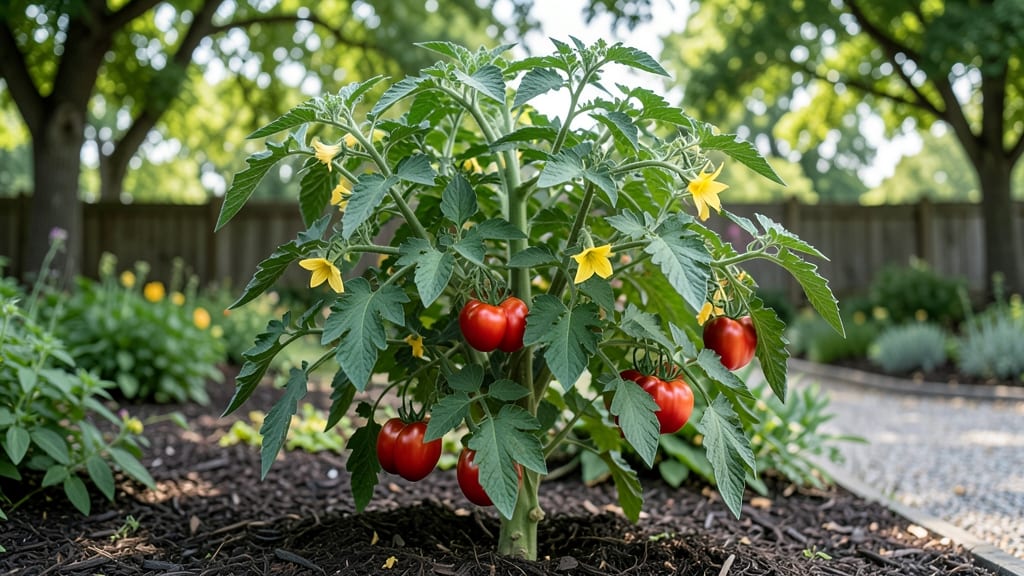
Growing steak tomato plants means heavy, beefy tomatoes that make grocery store varieties look like tiny snacks. 🌱 I learned the hard way that these giants need more than just good intentions—they demand rich soil, staking, and a little extra TLC to deliver those 12-ounce monsters you dream about.
The payoff? Tomatoes so meaty they’re perfect for sandwiches, bruschetta, or just eating straight off the vine. These plants thrive in full sun (at least 6-8 hours daily) and deep, well-draining soil mixed with compost.
I swear by a 5-gallon container for my balcony plants—it keeps roots happy without overwhelming my small space. Water consistently (about 1-2 inches per week), but avoid soggy soil, which leads to cracked fruit or disease. Pruning is key: remove suckers regularly to focus energy on fruit production.
By mid-summer, you’ll see clusters of pink blossoms that turn into tomatoes so big they’ll make your neighbors ask for cuttings. The secret? Balance—too much pruning stunts growth, but skipping it means fewer (but smaller) tomatoes. Perfect for gardeners who want showstopper tomatoes without the fuss of heirloom varieties.
Even beginners can nail this with the right setup—here’s how to get started without the trial and error.
📚 In This Guide
- What you need
- Instructions
- Tips and common mistakes
- Wrapping up and next steps
What you need
- ● Seeds or seedlings: Choose a heirloom beefsteak variety (e.g., 'Brandywine,' 'Cherokee Purple,' or 'Big Beef'). Start with 4-6 plants for a family-sized harvest.
- ● Containers or garden bed: Containers: 5-gallon pots or larger (1 per plant) with drainage holes.
- ● Garden bed: A 6-foot diameter space per plant (they need room to sprawl!).
- ● High-quality potting mix: 10-15 lbs of organic, well-draining soil (or a mix of 60% compost, 30% garden soil, 10% perlite).
- ● Tomato cages or stakes: 6-8 ft tall cages or wooden/bamboo stakes (1 per plant) to support heavy fruit.
- ● Balanced fertilizer: 5-10-10 or 10-10-10 (organic options like fish emulsion or compost tea work too).
- ● Mulch: 2-3 inches of straw or shredded leaves to retain moisture and suppress weeds.
- ● Hand trowel or transplanting spade (for planting seedlings).
- ● Watering can or hose with a gentle spray nozzle (tomatoes hate soggy roots!).
- ● Pruning shears (for removing suckers and dead leaves).
- ○ Gloves (optional but helpful for thorny plants!).
- ● Sunlight: Full sun (6-8+ hours daily)—steak tomatoes are sun-worshippers!
- ● Warmth: Soil temps should be at least 60°F (15°C) before planting (wait until after the last frost).
- ● Water access: Consistent moisture (but avoid waterlogging).
- ● Epsom salt (1 tbsp per plant monthly for magnesium boost).
- ● Café grounds (sprinkled around the base to deter pests).
- ● Row covers (for early-season protection from pests).
- ● Trellis system (for vertical growth in small spaces).
Step-by-step guide to growing steak tomato plants
Here's how I grow beefsteak tomatoes that produce those massive, flavorful fruits you dream about.
🌱 Step 1: Select and Prepare Your Steak Tomato Variety
Choose a beefsteak variety like 'Brandywine', 'Cherokee Purple', or 'Big Beef'—these produce the largest, most flavorful fruits. Start with high-quality seeds or transplants from a reputable nursery. I always opt for heirloom varieties because they deliver that unmatched depth of flavor, even if they take slightly longer to mature.
If starting from seed, sow indoors 6-8 weeks before your last frost date. Use sterile seed-starting mix in 2-3 inch deep containers to prevent damping-off. Keep the soil consistently moist at 75-85°F until germination, which typically occurs in 5-10 days. Once seedlings emerge, provide 14-16 hours of light daily to prevent leggy growth.
☀️ Step 2: Harden Off and Transplant Seedlings
Two weeks before transplanting outdoors, begin hardening off your seedlings by placing them outside in a sheltered spot for 1-2 hours the first day. Gradually increase their outdoor time by 1 hour daily until they can tolerate a full day outside. This process strengthens their cell walls and prepares them for the garden's conditions.
Transplant seedlings into the garden after all danger of frost has passed and soil temperatures reach at least 60°F. Choose a location with full sun (6-8 hours daily) and well-draining soil. Amend the soil with 2-3 inches of compost to provide essential nutrients and improve structure. Dig a hole twice as wide as the root ball to encourage root spread and reduce transplant shock.
🪴 Step 3: Provide Support and Prune for Optimal Growth
Steak tomatoes need strong support to handle their heavy fruit load. Install a 6-foot tall stake or cage at the time of transplanting and gently tie the main stem to it with soft plant ties. As the plant grows, continue to secure the stem to the stake every 12 inches to prevent breakage. I use clothesline or soft garden twine because they won't damage the stems as they grow.
Prune suckers—those small shoots that form in the leaf axils—regularly to direct the plant's energy into fruit production. Remove suckers when they are no larger than 2 inches to minimize stress on the plant. Aim to leave 1-2 main stems for indeterminate varieties, which will produce fruit throughout the season. Prune in the morning to allow any wounds time to heal before evening.
💧 Step 4: Water and Fertilize for Maximum Yield
Water deeply 1-2 times per week, providing 1-2 inches of water each time. Steak tomatoes have large canopies and deep root systems, so consistent moisture is critical. Water at the base of the plant in the early morning to reduce evaporation and prevent fungal diseases. Avoid wetting the leaves, as this can encourage blight and other issues.
Fertilize every 2-3 weeks with a balanced, organic fertilizer (like 5-5-5 or 3-4-6) once the plants are established. I switch to a low-nitrogen, high-phosphorus fertilizer (like 0-10-10) when flowers appear to encourage fruit set. Mulch around the base of the plant with 2-3 inches of straw or shredded leaves to retain moisture, suppress weeds, and regulate soil temperature.
✂️ Step 5: Monitor and Harvest for Peak Flavor
Keep an eye out for common pests like hornworms, aphids, and whiteflies. Handpick larger pests like hornworms and drop them into soapy water. For smaller pests, use a strong spray of water in the early morning to dislodge them. If needed, apply an organic insecticidal soap according to the package instructions.
Harvest beefsteak tomatoes when they are fully colored and slightly soft to the touch. Twist gently to remove the fruit from the vine—this prevents damage to the stem. Harvest in the morning when the fruits are cool and firm for the best flavor and storage life. Store harvested tomatoes at room temperature and avoid refrigerating them, as this can degrade their flavor and texture.
Tips & tricks for growing sun-ripened beefsteak tomatoes
Here's what nobody tells you about growing beefsteak tomatoes that'll make all the difference in your harvest.
Seed Starting Strategy: When sowing seeds indoors, use a heat mat set to 75-85°F to maintain consistent germination temperatures. I place a clear plastic dome over the seed trays to create a greenhouse effect, which helps maintain humidity and speeds up germination. Remove the dome once seedlings emerge to prevent damping-off disease. The 14-16 hours of light requirement is non-negotiable—supplement with grow lights if your natural light isn't sufficient, especially during winter months.
Transplant Timing: The 60°F soil temperature threshold is critical for successful transplantation. Use a soil thermometer to verify this before planting. I've learned the hard way that transplanting too early when soil temps are cooler can stunt root growth and make plants more susceptible to disease. Also, consider your last frost date carefully—the 6-8 weeks indoor seed starting window gives you a precise timeline to work with.
Support System: Don't skimp on the 6-foot tall stake or cage—these massive tomatoes need serious support. I've seen plants with fruit weighing over 1 pound each that would snap under their own weight without proper support. Use soft plant ties that won't cut into the stems as they grow. For extra insurance, I install my stakes at a slight angle (about 15 degrees) to help stabilize the plant against wind.
Pruning Technique: When removing suckers that are no larger than 2 inches, use sharp pruners to make clean cuts. I always prune just above the leaf axil where the sucker emerges to prevent disease entry points. The goal is to create an open center that allows sunlight and air circulation to reach the lower leaves and fruits. This technique also helps prevent fungal diseases that thrive in dense foliage.
Pro Tips for Steak Tomato Plant
- Here's what nobody tells you about growing beefsteak tomatoes that'll make all the difference in your harvest.
- Seed Starting Strategy: When sowing seeds indoors, use a heat mat set to 75-85°F to maintain consistent germination temperatures.
- Transplant Timing: The 60°F soil temperature threshold is critical for successful transplantation.
Frequently asked questions
Got questions about growing your own steak tomato plants?
Here are some common ones—and their answers—to help you cultivate a bountiful harvest!
How long does it take for a steak tomato plant to produce fruit?
A steak tomato plant typically takes 60–90 days from transplanting to produce fruit, depending on your climate and growing conditions. In warmer regions (zones 8–10), expect earlier harvests, while cooler areas (zones 5–7) may need a longer season. Start seeds indoors 6–8 weeks before the last frost to give them a head start!
Can I grow steak tomatoes in containers?
Steak tomatoes thrive in containers as long as the pot is at least 5 gallons and has drainage holes. Use a high-quality potting mix rich in organic matter, and provide sturdy support (like a tomato cage or trellis) since these vines can get heavy. Just ensure the container gets 6–8 hours of sunlight daily—they’re sun-worshippers!
Why are my steak tomato leaves turning yellow?
Yellow leaves are often a sign of overwatering, underwatering, or nutrient deficiencies. Check the soil moisture—it should be damp but not soggy. Yellowing on older leaves may indicate nitrogen deficiency (use a balanced fertilizer), while crispy edges suggest underwatering or heat stress. Pro tip: Mulch around the base to retain moisture and regulate soil temperature!
Do steak tomatoes need pruning?
Yes! Pruning steak tomato plants improves air circulation, reduces disease risk, and directs energy to fruit production. Remove suckers (the small shoots between the main stem and branches) regularly, and prune lower leaves to keep them off the ground. For indeterminate varieties, prune 1/3 of the foliage when fruit sets to boost harvest size. Safety first: Use clean pruners to avoid spreading disease!
What’s the best way to store harvested steak tomatoes?
Steak tomatoes are best eaten fresh within 3–5 days of picking for peak flavor. Store them at room temperature, away from direct sunlight—never refrigerate! If you must store them longer, place them in a paper bag with a few apples (the ethylene gas helps ripen them slowly). For cooked dishes, they’re perfect for sauces, salsas, or even grilling!
Wrapping up and next steps
Growing your own steak tomato plant is a rewarding journey that brings homegrown flavor and satisfaction to your table! 🌱 With the right care—sunlight, soil, and patience—you’ll soon enjoy juicy, beefsteak-sized tomatoes that rival store-bought (or even restaurant-quality!).
Whether you’re a beginner or a seasoned gardener, these sun-ripened beauties are worth the effort.
Ready to take the next step? Start by selecting your favorite variety, gathering supplies, and planting with confidence. Happy growing—and get ready to savor those bold, beefy tomatoes! 🍅✨