
Companion Plants
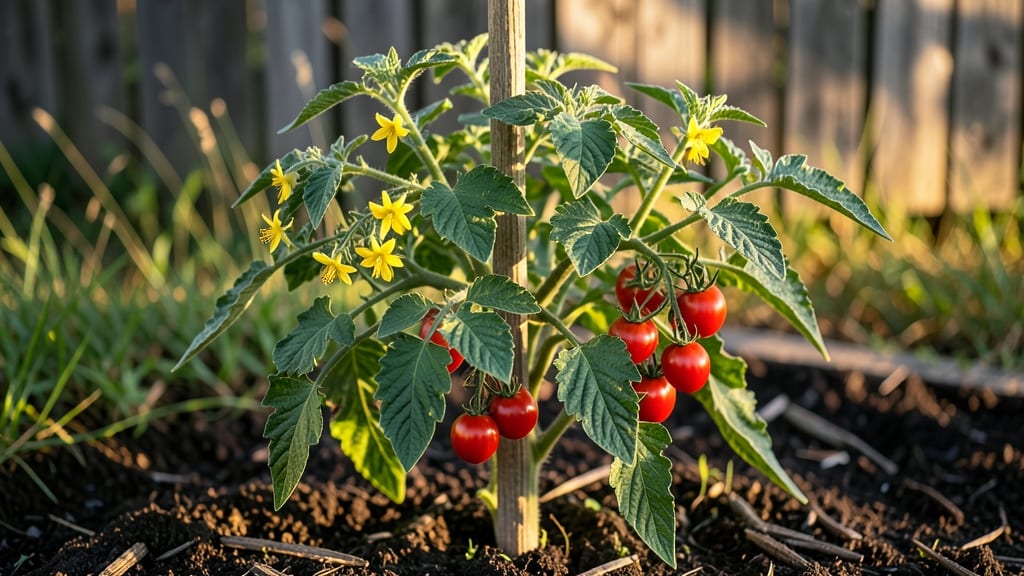
The Red Zebra tomato turns every slice into a conversation starter—those bold red-and-green stripes are impossible to ignore. 🌱 I planted mine last spring and ended up with tomatoes so striking they became the star of our summer salads, even though they’re technically a "heirloom" variety that takes a little extra patience to grow.
You’ll need well-draining soil with plenty of organic matter (think compost or aged manure), a sunny spot with at least 6-8 hours of direct sunlight daily, and consistent moisture—never soggy, never dry. The key to those dramatic stripes?
Balancing water and nutrients so the plant focuses on flavor and color, not just growth. I swear by a 5-10-10 fertilizer early in the season, then switch to compost tea once fruit sets. By midsummer, you’ll be harvesting tomatoes that taste like summer in a bite—sweet with a tangy kick.
The plants are indeterminate, so they’ll keep producing until frost if you prune regularly and stake them properly. Even my black thumb couldn’t kill these, though I did learn the hard way that blossom end rot means adjusting your calcium levels ASAP.
Works in containers or in-ground, from city balconies to rural plots. Here’s how to keep them thriving all season long—without the fuss.
📚 In This Guide
- What you need
- Instructions
- Tips and common mistakes
- Wrapping up and next steps
What you need
- ● Red Zebra tomato seeds or seedlings: 3–6 plants (depending on space and desired yield). Choose Solanum lycopersicum ‘Red Zebra’ for those iconic striped tomatoes!
- ● Well-draining potting mix or garden soil: 5–10 gallons per plant. Opt for a mix rich in organic matter (e.g., compost or coconut coir).
- ● Containers or garden bed: Containers: 5-gallon pots or larger (minimum 12–18 inches deep) with drainage holes.
- ● Garden bed: Full sun (6–8+ hours/day) and space 2–3 feet apart.
- ● Fertilizer: Balanced organic fertilizer (10-10-10 or 5-5-5) or compost tea. Start with 1–2 tablespoons per plant at planting.
- ● Support system: Cages (5–6 feet tall) or stakes (6+ feet) to keep vines upright.
- ● Gloves and gardening tools: Trowel, pruners (sterilized), and a watering can or hose with a gentle spray nozzle.
- ○ Mulch (optional but recommended): Straw or shredded leaves to retain moisture and suppress weeds.
- ○ pH test kit (optional): Aim for soil pH 6.0–6.8. Red Zebras thrive in slightly acidic conditions!
- ○ Companion plants (optional): Basil, marigolds, or borage to deter pests and boost growth.
Instructions for growing striking Red Zebra tomatoes
Here's my approach to growing these showstopping tomatoes with minimal fuss.
🌱 Step 1: Select and Prepare Your Growing Space
Red Zebra tomatoes thrive in full sun (6-8 hours daily) and warm soil. Choose a location where temperatures stay above 55°F during the day and don't dip below 50°F at night. If growing in containers, select pots at least 12 inches deep with drainage holes—these plants need room for strong root systems.
I always test soil drainage first by digging a hole, filling it with water, and watching how quickly it drains. If water pools after 30 minutes, amend with compost or perlite to improve drainage. Red Zebra tomatoes are less prone to cracking than other heirlooms, but they still need consistent moisture and good airflow to prevent disease.
☀️ Step 2: Plant at the Right Time and Depth
Start seeds indoors 6-8 weeks before your last frost date or transplant seedlings after all danger of frost has passed. Plant seeds ¼ inch deep in warm soil—cold soil delays germination. If using transplants, bury them deeper than their current soil line, which encourages stronger root growth.
Space plants 24-36 inches apart in rows 36 inches apart to allow for air circulation. I always plant a few extra seeds or seedlings just in case—Red Zebra tomatoes are worth protecting. Once planted, water deeply to settle the soil around the roots and keep the soil consistently moist but never soggy.
💧 Step 3: Water and Fertilize for Optimal Growth
Water at the base of the plant in the morning to reduce evaporation and disease risk. Aim for 1-1.5 inches of water weekly, adjusting for rainfall. You'll know you're doing it right when the top inch of soil feels dry to the touch—this prevents overwatering while keeping roots hydrated.
Fertilize every 2-3 weeks with a balanced organic fertilizer (10-10-10 or similar). I switch to a low-nitrogen, high-phosphorus fertilizer when flowers appear to encourage fruit set. Avoid high-nitrogen fertilizers—they promote leafy growth at the expense of fruit production, which is the whole point of growing Red Zebras!
✂️ Step 4: Prune and Support for Maximum Yield
Prune suckers (the small shoots that form in the joint between the main stem and branches) regularly to direct energy into fruit production. Remove any leaves that touch the soil to prevent disease. I also prune back the top of the plant when it reaches the top of its support to encourage bushier growth.
Use sturdy cages or stakes to support the plants as they grow. Red Zebra tomatoes can get heavy with fruit, so choose supports that won't topple. I tie the main stem to the support with soft plant ties every 12 inches to keep the plant upright and prevent wind damage.
⏰ Step 5: Harvest and Enjoy Your Striped Treasures
Harvest when the tomatoes reach their full size but are still firm to the touch—usually 70-80 days after transplanting. The stripes should be vibrant and the fruit should yield slightly when gently squeezed. I use a small knife to cut stems to avoid damaging the plant.
Store harvested tomatoes at room temperature until fully ripe, then refrigerate for up to 2 weeks. The flavor intensifies as they ripen, so patience pays off. These tomatoes are stunning in salads, sauces, or even sliced fresh—they're a conversation starter and a flavor experience all in one!
Tips & tricks for growing stunning Red Zebra tomatoes
Between us, these striped beauties are worth every extra effort—and I'll show you how to maximize their potential without the fuss.
Sunlight Strategy: While 6-8 hours of sunlight is ideal, I've found that morning sun (especially between 9 AM and noon) is most critical for vibrant stripe development. Position your plants so they get direct sunlight during these peak hours, even if it means rotating containers slightly as the sun moves across the sky. The deeper red stripes develop best when the fruit receives consistent, intense light during photosynthesis.
Soil Temperature Hack: Don't rush planting when nighttime temps dip below 50°F—Red Zebras are sensitive to cold. I wait until soil temperatures consistently stay above 55°F during the day, which usually means waiting until after your last frost date plus 2-3 weeks. You can test soil temp with a simple thermometer or by pressing your hand into the soil—if it feels warm to your touch, it's ready. Cold soil delays germination and weakens seedlings.
Watering Wisdom: The 1-1.5 inches of water per week guideline works, but timing matters more than quantity. I water deeply in the morning (between 6-9 AM) so the foliage has all day to dry, preventing fungal diseases like early blight. Use a rain gauge or tuna can to measure water—your eye can be deceiving! The top inch of soil should feel dry before watering again, but never let the soil dry out completely, especially during flowering and fruiting stages.
Pruning Precision: When pruning suckers in Step 4, I use clean, sharp scissors to make clean cuts just above the leaf joint where the sucker emerges. This prevents tearing and reduces stress on the plant. I also remove any leaves that touch the soil or show signs of yellowing—these are prime spots for disease. The key is to prune regularly (every 1-2 weeks) rather than doing one big pruning session, which can shock the plant.
Pro Tips for Red Zebra Tomato Plants
- Between us, these striped beauties are worth every extra effort—and I'll show you how to maximize their potential without the fuss.
- Sunlight Strategy: While 6-8 hours of sunlight is ideal, I've found that morning sun (especially between 9 AM and noon) is most critical for vibrant stripe development.
- Soil Temperature Hack: Don't rush planting when nighttime temps dip below 50°F—Red Zebras are sensitive to cold.
Frequently asked questions
How long does it take for Red Zebra tomato plants to produce fruit?
With proper care, Red Zebra tomatoes typically start flowering 60–70 days after transplanting and produce fruit within 70–85 days from seed. Early blooms may drop if stressed, so prioritize consistent watering and warmth (ideal temps: 70–85°F). Patience pays off—these beauties are worth the wait!
Can Red Zebra tomatoes survive frost? What’s the best way to protect them?
Red Zebra tomatoes are tender perennials and cannot tolerate frost—even a light freeze will kill the plants. To extend your season, use row covers, cloches, or cold frames when temps dip below 50°F. For late-season harvests, bring potted plants indoors near a sunny window or under grow lights.
Why are my Red Zebra tomatoes cracking? How can I prevent it?
Cracking is common in Red Zebra tomatoes due to uneven watering or rapid growth. To prevent it:
- Water deeply and consistently (1–1.5 inches per week).
- Avoid overhead watering to prevent blossom-end rot.
- Use mulch to stabilize soil moisture.
- Harvest tomatoes when they’re firm but slightly soft to the touch.
What are the best companion plants for Red Zebra tomatoes?
Red Zebra tomatoes thrive with companion plants that deter pests and improve growth. Pair them with:
- Basil (repels flies and boosts flavor).
- Marigolds (deter nematodes and aphids).
- Onions or garlic (reduce fungal diseases).
- Avoid planting near brassicas (cabbage family)—they compete for nutrients.
Are Red Zebra tomatoes good for cooking? How do they taste?
These tomatoes are sweet, tangy, and meaty—perfect for sauces, salsas, and fresh salads. Their bold stripes make them a showstopper on plates, while their low acidity shines in slow-cooked dishes. Try roasting them for an intense, caramelized flavor with a hint of smokiness.
Do Red Zebra tomatoes need special care in hot climates?
Yes! In high-heat zones (above 90°F), Red Zebra tomatoes may:
- Drop blossoms (due to heat stress).
- Develop sunscald (white patches on fruit).
- Provide afternoon shade with shade cloth.
- Water early in the morning to reduce evaporation.
- Use mulch to keep roots cool.
Wrapping up and next steps
Growing red zebra tomato plants is a rewarding journey that brings bold flavors and stunning visuals to your garden with surprisingly little effort! These striped beauties thrive with the right companion plants, proper spacing, and a dash of patience—making them perfect for both beginners and seasoned gardeners.
Whether you’re aiming for a bountiful harvest or just love their striking appearance, your garden will thank you for the diversity and vibrancy they add.
Ready to take the next step? Start by selecting your companion plants, prepping your soil, and planting with confidence! 🌱 With the right care, you’ll soon be savoring homegrown tomatoes that are as delicious as they are eye-catching.