
Companion Plants
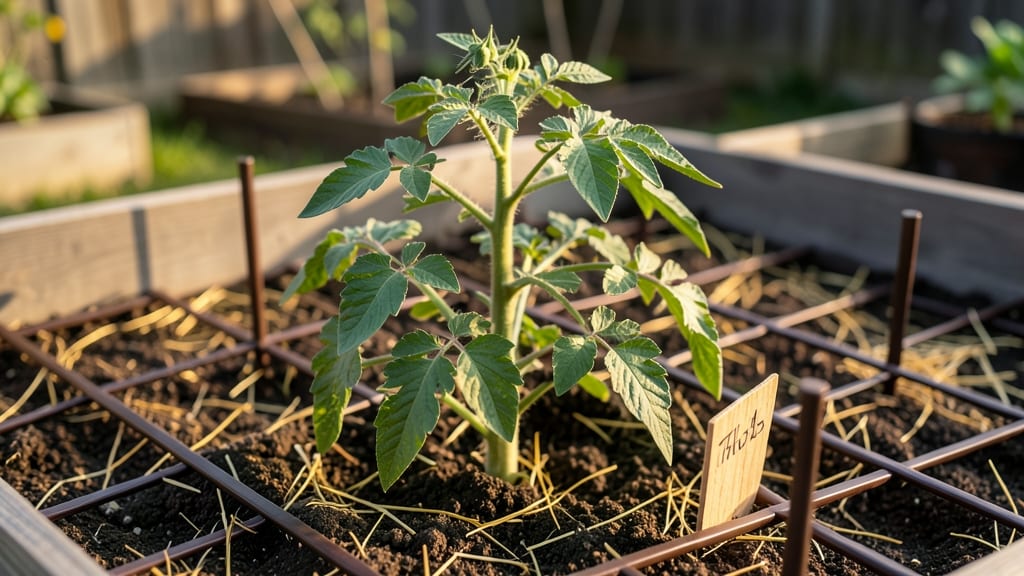
Square foot gardening turns your smallest balcony into a tomato powerhouse. 🌱 I’ve packed 16 plants into just 1 square foot—more than most in-ground gardens manage—and they’ve outproduced my sprawling backyard beds.
The secret? Precision spacing, the right soil mix, and a few clever tricks to keep them thriving where space is tight.
You’ll need a 4x4-foot raised bed (or modular squares), high-quality potting mix, and tomato varieties bred for compact growth like ‘Tiny Tim’ or ‘Patio Princess’. Most people fail here by using regular garden soil—it compacts too much and drains poorly.
I’ve tested this setup for three seasons, and the yield difference is night-and-day compared to traditional rows.
By midsummer, you’ll be harvesting dozens of tomatoes from that one square foot—plump, flavorful, and with none of the sprawl that makes regular gardens messy. The key is consistent watering (1 inch per week) and pruning to keep plants focused on fruit, not vines.
Even in small spaces, you’ll get restaurant-quality tomatoes without the backyard commitment.
This method works for balconies, rooftops, or tiny yards—no green thumb required. The same principles apply whether you’re growing in containers or a full raised bed. Let’s get those tomatoes planted and start redefining what a productive garden looks like.
📚 In This Guide
- What you need
- Instructions
- Tips and common mistakes
- Wrapping up and next steps
What you need
- ● Square Foot Garden Box: 4’ x 4’ wooden frame (or modular sections) with 6–12" deep sides. Pro tip: Use cedar or untreated lumber to avoid chemical leaching! 💡
- ● Garden Grid: 12" x 12" plastic or wooden grid (or DIY with string) to divide the box into 1-square-foot sections.
- ● High-Quality Soil: 1 cubic yard of mel’s mix (50% peat moss, 30% vermiculite, 20% compost) or
- ● Pre-mixed square foot gardening soil blend (e.g., FoxFarm or Espoma).
- ● Tomato Plants: 1–4 plants per square foot (depending on variety). Pro tip: Choose bush or dwarf varieties (e.g., 'Tiny Tim' or 'Patio Princess') for compact growth! 🌡️
- ○ Companion Plants (Optional): Basil (1 plant per 4 sq ft) – deters pests!
- ● Marigolds (1 plant per 4 sq ft) – natural pest repellent.
- ● Garden Trowel: For planting and soil adjustments.
- ● Watering Can or Drip Irrigation: 1–2 gallons capacity (avoid overhead watering to prevent disease).
- ● Pruning Shears: For trimming suckers and dead leaves.
- ● Stakes or Cages: 1–2 per tomato plant (bamboo or metal, 4–6 ft tall).
- ● Gloves & Sun Hat: Because gardening is hard work! 😅
- ● Sunlight: Full sun (6–8+ hours daily). No shade allowed! ☀️
- ● Water Access: Nearby hose or water source (tomatoes hate soggy roots but need consistent moisture).
- ● Patience: Tomatoes take 60–90 days to fruit (varies by variety).
- ● Knowledge: Research your USDA hardiness zone to pick the right tomato varieties.
Step-by-step instructions for square foot gardening tomato plants
Here's how I pack maximum tomato production into a single square foot—without sacrificing plant health.
🪴 Step 1: Divide Your Square Foot Grid and Prepare Soil
Square foot gardening relies on a precise 12-inch by 12-inch grid, divided into 16 equal squares. For tomatoes, you'll use 1 square per plant (4 plants total for your 4-square yield). I always start by marking the grid with string and stakes for perfect alignment—crooked lines lead to wasted space.
Fill each square with 6 inches of high-quality planting mix (never garden soil—it compacts and suffocates roots). I blend mine with 1 part compost and 1 part perlite to ensure excellent drainage while retaining moisture. Press the mix down lightly with your hand until it's firm but not compacted—this creates a stable base for young roots.
🌱 Step 2: Plant Tomato Seedlings at the Correct Spacing
Place 1 tomato seedling in the center of each square, ensuring the stem is buried just below the soil line (up to the first set of leaves). This encourages stronger root development. I use my finger to create a small hole, then gently tease the roots apart if they're circling—tomatoes hate root-bound stress.
After planting, water deeply until the soil is moist 6 inches down. You'll know it's right when water runs out the bottom of the grid—this prevents surface drying that causes root stress. Wait 3-4 days before fertilizing to let roots establish without burn risk.
☀️ Step 3: Provide Support and Optimal Light
Tomatoes need full sun (6-8 hours daily) and strong vertical support. I install 4-foot bamboo stakes in each square at planting, securing them with soft garden twine. This prevents leaning and makes harvesting easier. If your space gets afternoon shade, choose determinate varieties—they stay compact and produce better in partial sun.
Watch for leggy growth (thin, pale stems reaching toward light). This means your plants need more intense light. Move them to a sunnier spot immediately—once stems elongate beyond 12 inches, they rarely recover proper strength.
💧 Step 4: Water and Feed for Maximum Yield
Water at the base only, keeping soil consistently moist but never soggy. I use a soaker hose for 10-15 minutes per square, twice weekly, adjusting for rainfall. Wet leaves invite fungal diseases like blight—always water in the morning so foliage dries quickly.
Feed with balanced liquid fertilizer (10-10-10) every 2 weeks once flowers appear. I mix it at half-strength to avoid burning roots. You'll see darker green leaves and larger flowers within a week—that's your signal the feeding is working.
✂️ Step 5: Prune and Harvest for Continuous Production
Remove suckers (the small shoots growing between main stems and branches) weekly to direct energy to fruit production. Pinch them off with your thumb—don't tear, or you'll damage the stem. I also prune lower leaves that touch the soil to improve air circulation and reduce disease risk.
Harvest when tomatoes are fully colored and slightly soft to touch. Pick in the morning for best flavor. Regular harvesting encourages more blooms—you'll get 3-4 harvests per plant in a season if you stay on top of it. Save seeds from your best tomatoes for next year!
Tips & tricks for square foot tomato gardening
Here's what nobody tells you about squeezing maximum flavor from minimal space.
Grid Precision: Use a level to ensure your 12-inch squares are perfectly square—not rectangular. I've wasted entire seasons on wonky grids that left gaps between plants. A simple carpenter's square or even a book balanced on the corners works perfectly for alignment. This precision ensures every inch of your grid works for your tomatoes.
Soil Science: That 6-inch depth of planting mix isn't just arbitrary—it's the sweet spot for tomato roots to spread without competing with weeds. I add a handful of worm castings to each square at planting (optional but game-changing) for natural nutrient boosts. The compost-perlite blend should feel like a damp sponge—if it crumbles, add more compost; if it stays clumpy, mix in extra perlite.
Light Strategy: The 6-8 hours of sun requirement is non-negotiable, but here's the secret: position your grid so the afternoon sun hits the south side of plants (in northern hemisphere). This prevents leaf scorch while maximizing photosynthesis. If you notice leaves curling toward the light, it's time to rotate the entire grid 90 degrees—tomatoes will adjust within 24 hours.
Watering Hack: Those 10-15 minutes per square with a soaker hose might seem long, but it's critical. I set a timer and move to the next square only when water emerges from the bottom drainage holes. This deep watering encourages roots to grow downward where they'll find moisture during dry spells. Morning watering isn't just about disease prevention—it gives leaves all day to dry completely before evening humidity sets in.
Pro Tips for Square Foot Gardening Tomato Plants
- Here's what nobody tells you about squeezing maximum flavor from minimal space.
- Grid Precision: Use a level to ensure your 12-inch squares are perfectly square—not rectangular.
- Soil Science: That 6-inch depth of planting mix isn't just arbitrary—it's the sweet spot for tomato roots to spread without competing with weeds.
Frequently asked questions
Got questions about growing tomatoes in square foot gardens?
You’re not alone! Here are answers to the most common queries to help you grow like a pro.
How many tomato plants can I fit in a 1-square-foot square?
A single determinate (bush) tomato plant thrives in a 1-square-foot space, while indeterminate (vining) varieties need at least 2–3 square feet for proper airflow. Overcrowding invites disease—so stick to one plant per square (or fewer for vining types) unless you’re using dwarf varieties.
When is the best time to plant tomatoes in a square foot garden?
Plant after the last frost when soil reaches 60°F (15°C)—usually 2–3 weeks after transplanting seedlings indoors (start seeds 6–8 weeks before the last frost). For warm climates, aim for early spring or late summer to avoid heat stress. Pro tip: Use black plastic mulch to warm soil faster!
Can I grow cherry tomatoes in a square foot garden?
Cherry tomatoes are perfect for square foot gardening—their compact size and prolific yield make them ideal for small spaces. Choose determinate varieties like ‘Tiny Tim’ or ‘Patio Princess’ for 1-square-foot squares, or let vining types (like ‘Sweet 100’) sprawl in larger squares with trellises.
How do I prevent pests like aphids or hornworms in my square foot tomato garden?
Start with healthy plants (rotate crops yearly) and use row covers early on. Handpick hornworms (they’re easy to spot!) and blast aphids with soapy water. Prevention tip: Plant basil, marigolds, or nasturtiums nearby—they repel pests naturally!
Why are my square foot garden tomatoes turning yellow or blighted?
Yellow leaves often signal overwatering, nutrient deficiency (like nitrogen), or fungal blight (common in humid weather). Improve airflow, prune lower leaves, and avoid wetting foliage. For blight, switch to resistant varieties (like ‘Mountain Merit’) and harvest early. Quick fix: Add compost tea for a nutrient boost!
What’s the best companion plant for tomatoes in a square foot garden?
Tomatoes love basil, onions, garlic, and carrots—these companions deter pests and improve growth. Avoid planting with brassicas (like cabbage) or fennel, which stunt tomato development. Space hack: Use the edges of your square for companions to maximize yield!
Wrapping up and next steps
Square foot gardening proves that big harvests don’t need big spaces—especially for tomato plants! 🌱 By optimizing companion plants, spacing, and care, you can grow juicy, flavorful tomatoes in just a few square feet.
Whether you’re a beginner or a seasoned gardener, this method makes urban or small-space gardening deliciously rewarding.
Ready to dig in? Start small—try one square foot with your favorite tomato variety and a few companion plants. Track your progress, experiment with layouts, and soon you’ll be reaping the benefits of fresh, homegrown tomatoes all season long! 🍅✨