
Plants
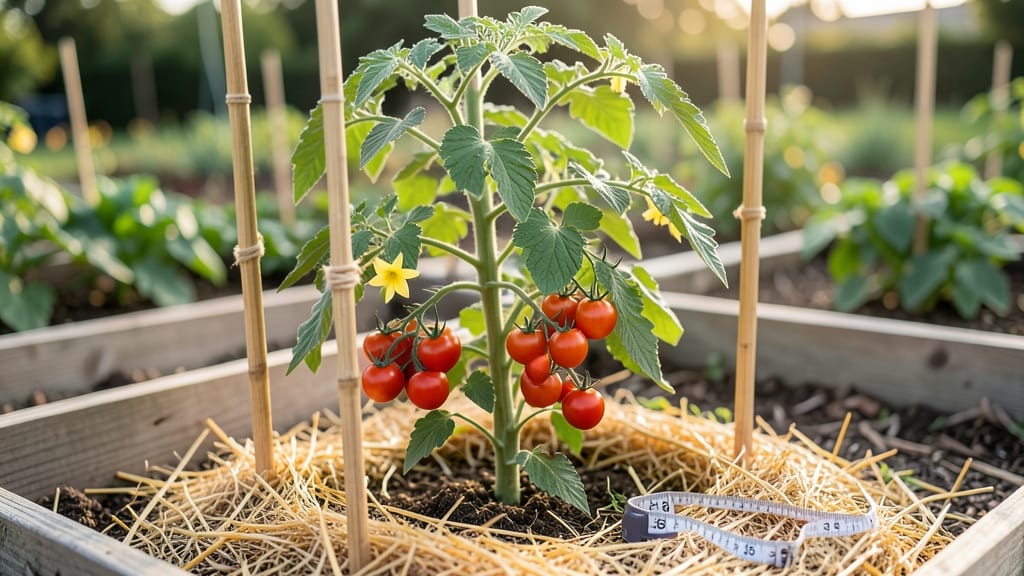
Cherry tomato plants need proper spacing—18 to 36 inches apart, depending on whether they’re determinate or indeterminate—to thrive and produce fruit all season long.
Picture this: you’ve just planted your 🍅 cherry tomatoes after the last frost, only to watch them struggle under crowded conditions. Too close, and they’ll fight for sunlight and air, inviting disease.
Too far apart, and you’ll waste precious garden space. The right spacing is the key to a bountiful harvest.
Determinate varieties—those that grow in compact bushes—do best with 18 to 24 inches between plants, while sprawling indeterminate types need 24 to 36 inches to climb and spread.
Whether you’re working in a raised bed, containers, or open ground, spacing makes all the difference in airflow, sunlight exposure, and even flavor.
In this guide, I’ll break down the exact spacing rules for each type, share tips for small gardens, and show you how to avoid common mistakes that stunt growth. Let’s get those cherry tomatoes set up for success!
Determinate cherry tomato spacing rules: compact growth for high-yield beds
If you're growing determinate cherry tomatoes, proper spacing is your secret weapon for maximizing fruit production in small spaces. These compact varieties grow to a fixed height—typically 2-4 feet—and produce all their fruit at once, making efficient spacing critical.
Unlike their indeterminate cousins, determinate plants don’t sprawl indefinitely, so you can pack them closer together while still ensuring airflow and sunlight reach every vine.
For gardeners with limited space—whether in raised beds, containers, or small backyard plots—understanding the ideal spacing can mean the difference between a modest harvest and a bountiful yield. The key is balancing proximity to save space with enough room to prevent disease and competition.
Let’s break down the science-backed spacing rules for determinate cherry tomatoes to help you grow like a pro.
🌱 Pro Tip: Always measure from the main stem of one plant to the next, not the outer leaves. This ensures roots have room to spread without crowding.
For standard in-ground planting, the golden rule is 18-24 inches apart between plants with 2-3 feet between rows. This spacing ensures each plant gets enough sunlight and airflow to prevent fungal diseases like early blight or powdery mildew.
If you’re using raised beds, you can tighten the spacing slightly to 12-18 inches apart because the soil warms faster and drains better, promoting healthier roots.
When growing in containers, opt for 5-gallon pots or larger to accommodate the root system of a single determinate plant. Smaller pots restrict growth and reduce yield, so avoid anything under 3 gallons.
If you’re using square foot gardening, aim for 4 plants per square foot—this method maximizes space while still allowing for proper care and harvesting.
One of my favorite tricks for small gardens is using trellises or cages. By training determinate cherry tomatoes to grow vertically, you can reduce the spacing between plants to 12-16 inches apart while still maintaining airflow.
Just make sure to prune suckers regularly to keep the plant focused on fruit production rather than foliage.
If you’re planting in rows, always space them 2-3 feet apart to allow for easy access and to prevent soil-borne diseases from spreading. For example, if you’re planting ‘Sweet 100’ cherry tomatoes, a popular determinate variety, stick to the 18-inch spacing rule.
This variety is compact but still benefits from ample airflow to keep fruits dry and reduce cracking.
💡 Key Insight: Overcrowding leads to poor fruit quality—smaller tomatoes, increased disease risk, and slower ripening. Always prioritize spacing over packing in more plants.
For container gardening, choose varieties like ‘Tiny Tim’ or ‘Patio Princess’, which are bred for small spaces. These dwarf determinate types thrive in 3-5 gallon containers with proper spacing from other plants.
If you’re growing multiple containers, place them 12-18 inches apart to mimic in-ground spacing and ensure consistent yields.
Finally, don’t forget to mulch around your plants to retain moisture and suppress weeds. A 2-3 inch layer of straw or shredded leaves will also help regulate soil temperature, which is especially important for determinate varieties that produce all their fruit in a short window.
With the right spacing, you’ll enjoy a high-yield harvest even in the smallest of gardens!
Indeterminate cherry tomato spacing: vertical growth hacks for small gardens
Indeterminate cherry tomato plants are vigorous climbers that keep producing fruit until frost—if you give them the right conditions. Unlike their determinate cousins, these vines can grow 6+ feet tall and sprawl if unchecked.
The key to maximizing your small garden? Vertical spacing and smart trellising. With proper techniques, you can fit 3-4 plants in just 4 square feet while boosting yields and airflow.
I’ve learned the hard way that cramming indeterminate cherry tomatoes too close leads to disease pressure and stunted growth. The 24-36 inch spacing rule isn’t just about fitting plants—it’s about creating an environment where each vine gets sunlight, circulation, and support.
In my 4x8-foot raised bed, I now use a combination of cage trellises and string systems to turn vertical space into a cherry tomato powerhouse.
- 1 Plant 24-36 inches apart in rows 3 feet apart for optimal airflow. In containers, use one plant per 5-gallon pot with a sturdy trellis.
- 2 Use A-frame trellises or tomato cages (6+ feet tall) to support vines. My favorite hack: repurpose PVC pipes as durable, rust-proof supports.
- 3 Prune suckers aggressively (remove growth in leaf axils) to redirect energy to fruit production. I prune weekly during peak growth.
- 4 Train vines upward by tying stems to trellises with soft plant ties. Avoid wire—it can damage tender stems as vines thicken.
- 5 Harvest regularly to encourage more blooms. Overripe tomatoes signal the plant to stop producing—I pick every 2-3 days in peak season.
For raised beds or containers, I’ve had the most success with vertical string trellises (like those from GrowVeggie) that let vines climb in a fan shape. This method saves space while keeping fruit off the ground and easily accessible.
Just ensure your container has drainage holes and is at least 12 inches deep—shallow pots stunt root growth.
One common mistake I see? Over-trellising with flimsy materials that collapse under heavy fruit loads. Last year, my bamboo stakes snapped under 10-pound clusters of 'Sungold' cherry tomatoes.
Now, I reinforce supports with zip ties and wooden stakes for extra stability. Pro tip: Bury trellises 6 inches deep to prevent toppling in wind or rain.
If your garden is extra tight, consider succession planting: Start a second batch 4-6 weeks after your first planting. This way, you’ll have a continuous harvest without overcrowding. I’ve also had luck with companion planting—pairing cherry tomatoes with basil or marigolds to deter pests while saving space.
Just avoid planting near corn or fennel, which compete for nutrients.
Remember, indeterminate cherry tomatoes thrive on neglect in some ways—but not when it comes to spacing and support. With these vertical hacks, you’ll turn your small garden into a high-yielding cherry tomato factory without sacrificing plant health or harvest quality. Happy growing! 🌱