
Vegetables
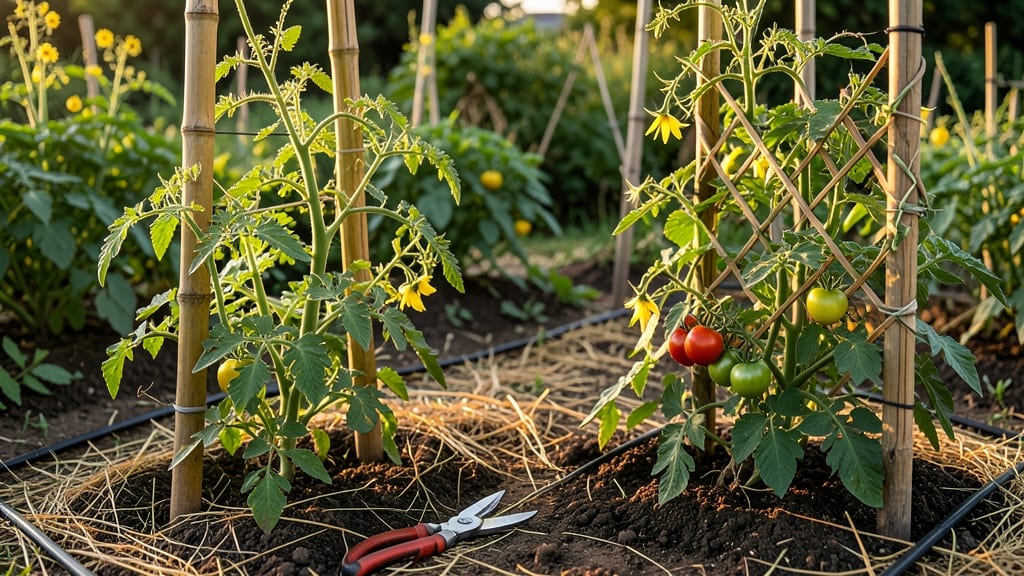
Choosing between Rutgers tomatoes and beefsteak varieties comes down to your garden space and what you crave at dinner. 🌱 I’ve grown both side by side, and the differences in size, flavor, and yield are night and day—one thrives in tight spots while the other needs room to sprawl like a sunbather on a lazy afternoon.
Rutgers tomatoes are the underdog champions of small gardens. Compact vines produce hundreds of small, sweet fruits all season long, perfect for salads and snacking. They’re disease-resistant, drought-tolerant, and happy in containers or crowded beds. My neighbor’s balcony garden proves you don’t need acres—just a sunny spot and consistent water.
Beefsteaks, on the other hand, are the showstoppers of the tomato world—big, beefy slices that make sandwiches legendary. But they demand space (think 3–4 feet between plants) and rich soil to support their heavy fruit.
The trade-off? Fewer tomatoes per plant, but each one is a juicy, meaty masterpiece that turns heads at picnics. My first beefsteak plant nearly broke its cage last summer.
Pick Rutgers for high-volume harvests in tight spaces, or beefsteaks for showcase-worthy slices if you’ve got room to spare. Both win in flavor—but only if you match the plant to its perfect growing conditions.
The first product explained
Meet the Rutger Tomato 🍅—the classic, dependable workhorse of the home garden! This heirloom variety has been a favorite for decades, prized for its versatility, hardiness, and unmatched flavor. Whether you're a backyard gardener, a homesteader, or a tomato enthusiast, the Rutger is a must-have for any growing season. Let’s dive into what makes this tomato a garden legend.
📏 Specs & Features
The Rutger tomato is a large, beefy heirloom with a few standout traits:
- Size: Typically grows to 6–8 inches in diameter and weighs 1–2 pounds when fully ripe.
- Shape: Classic round, globe-like form with a slightly flattened top.
- Color: Vibrant deep red when ripe, with a glossy, smooth skin.
- Flesh: Thick, meaty texture with few seeds, making it perfect for slicing.
- Flavor: Sweet, balanced, and slightly tangy—a crowd-pleaser for fresh eating, salads, and sauces.
- Growth Habit: Indeterminate (vining), so it’ll keep producing fruit all season if properly supported.
- Days to Maturity: 80–85 days from transplant.
🎯 Target Users
The Rutger tomato is a garden all-star that appeals to a wide range of growers:
- Home Gardeners: Ideal for beginners and veterans alike—low-maintenance but high-reward.
- Canners & Preservers: Its thick flesh holds up well to sauces, salsas, and whole-packing.
- Fresh-Eaters: Perfect for sandwiches, BLTs, and caprese salads—bursting with flavor.
- Organic Growers: Thrives in organic soil and resists common diseases better than many hybrids.
💰 Price Point & Availability
You’ll find Rutger tomato seeds and seedlings at a variety of price points, depending on the source:
| Format | Price Range | Where to Buy |
|---|---|---|
| Seeds (pack of 10+) | $2–$5 | Seed companies (e.g., Baker Creek, Burpee, Johnny’s Selected Seeds) |
| Seedlings (6-pack) | $8–$15 | Local nurseries, garden centers, or online (e.g., Etsy, Amazon) |
| Organic Seeds | $4–$8 | Specialty organic seed suppliers (e.g., High Mowing Seeds) |
Pro Tip: 💡 Start seeds indoors 6–8 weeks before the last frost for the best results, or opt for seedlings if you’re short on time!
The second product explained
If the Rutger tomato is the underdog with charm, then the Beefsteak tomato is the heavyweight champion of the tomato world—bold, meaty, and built for serious flavor. 🍅💪 Let’s dive into why this classic variety steals the spotlight in gardens and kitchens alike.
📏 Specs & Features
The Beefsteak tomato is a heirloom variety known for its large, beefy fruit (often weighing 12–16 oz or more!) and deep, rich flavor. Here’s what sets it apart:
- Fruit Size: Massive, flat, and ribbed—perfect for slicing or stuffing.
- Color: Classic red (though some varieties offer pink or yellow hues), with a juicy, meaty texture that holds up beautifully in salads and sandwiches.
- Growth Habit: Indeterminate (vining) or determinate (bush) types available; indeterminate varieties can grow 6–10 feet tall and produce fruit all season.
- Days to Maturity: ~80–90 days from transplant, depending on climate.
- Disease Resistance: Moderate; watch for blight and cracking in humid conditions.
🎯 Who’s It For?
Beefsteak tomatoes are the go-to for home cooks, chefs, and tomato enthusiasts who crave:
- 🍔 Classic burgers and sandwiches (think BLTs and Caprese salads).
- 🥗 Hearty, no-fuss salads with thick slices that won’t turn to mush.
- 🍽️ Stuffed tomatoes (meat, cheese, or grain-based fillings).
- 🍅 Homemade sauces and salsas with a robust, old-school taste.
- 🌱 Gardeners with space—these plants need support (cages or stakes) and regular pruning to manage their size.
💰 Price Point & Availability
Beefsteak tomato seeds and seedlings are widely available, making them a budget-friendly yet high-reward choice:
- Seeds: $2–$5 per packet (heirloom varieties may cost slightly more).
- Seedlings: $3–$8 each, depending on local nurseries or online retailers.
- Organic/Heirloom: Expect to pay 10–30% more for non-GMO, open-pollinated seeds.
- Best Time to Buy: Start seeds indoors 6–8 weeks before last frost or purchase seedlings in early spring.
💡 Pro Tip: For even bigger tomatoes, try overfeeding with compost and pruning suckers early in the season. Just beware—these beauties can crack if they drink too much water too quickly!
Head-to-head comparison
Now that we’ve explored the unique traits of Rutger tomatoes and Beefsteak tomatoes, let’s dive into a side-by-side comparison to help you decide which variety suits your garden (or taste buds!) best.
Whether you’re a space-conscious urban gardener or a backyard harvest enthusiast, this breakdown will highlight how these two powerhouses stack up across key dimensions.
🌱 Growth Habits & Space Efficiency
If your garden space is as precious as your Sunday brunch, this category is a game-changer. Rutgers and Beefsteaks take wildly different approaches to growing, and your layout will thank you for knowing the difference.
- Rutger Tomato:
- 🌿 Compact & Bushy: Rutgers thrive as determinate varieties, meaning they grow in a neat, bush-like shape (no staking required!). They’re perfect for containers, small plots, or even balcony gardens.
- 📏 Height: Typically max out at 3–4 feet tall, making them ideal for tight spaces or under trellises in vertical gardens.
- 🍅 Harvest Window: Produces a single, synchronized flush of fruit over 2–3 weeks. Great if you love a big, concentrated harvest (think: canning or salsa parties!).
- Beefsteak Tomato:
- 🌳 Vining & Indeterminate: These are indeterminate giants—they keep growing and producing until frost! You’ll need stakes, cages, or a trellis to manage their height.
- 📏 Height: Can reach 6–10 feet tall (or taller with support), so they’re best for larger gardens or vertical setups.
- 🍅 Harvest Window: Offers a continuous harvest from midsummer until frost. Perfect if you crave fresh tomatoes all season long!
Winner for small spaces? Rutger 🏆. Winner for long-term harvests? Beefsteak.
🍅 Fruit Characteristics & Culinary Uses
Now, the fun part—how do they taste and perform in the kitchen? These tomatoes aren’t just pretty; they’re flavor powerhouses with distinct personalities.
| Rutger Tomato | Beefsteak Tomato | |
|---|---|---|
| Size | 🍅 Medium (2–3 inches) | 🍅 Large (4–6+ inches)—some weigh over a pound! |
| Shape | 🔺 Round to slightly ribbed | 🔺 Flattened, heart-shaped (hence the name!) |
| Color | 🟢 Deep red when ripe (green when unripe) | 🟢 Deep red to pinkish-red (some varieties have green shoulders) |
| Flesh & Juiciness | 💧 Meaty with moderate juice—great for slicing and sauces | 💧 Thick, juicy, and meaty—ideal for sandwiches and BLTs! |
| Flavor Profile | 🌶️ Sweet with a hint of tang—classic all-purpose flavor | 🌶️ Rich, slightly tangy, and complex—often described as "old-school tomato taste" |
| Best Uses |
|
|
Pro Tip: 💡 Rutgers are the workhorse of the tomato world—reliable and versatile. Beefsteaks are the showstoppers—perfect for when you want to wow your dinner guests with a massive, juicy slice.
💰 Price & Seed/Cost Comparison
Your wallet will thank you for knowing the upfront costs of each variety. Here’s how they stack up in terms of seeds, plants, and long-term value.
- Rutger Tomato:
- 🌱 Seeds: Typically $2–$4 per packet (affordable and widely available)
- 🌱 Seedlings: $3–$6 per plant (common at nurseries)
- 💰 Long-Term Value: High yield per plant—great for canning or selling extras!
- Beefsteak Tomato:
- 🌱 Seeds: $3–$7 per packet (some heirloom varieties cost more)
- 🌱 Seedlings: $5–$10 per plant (heirloom or organic options can be pricier)
- 💰 Long-Term Value: Lower yield per plant but higher individual fruit size—ideal for fresh eating or gifting.
Budget Pick: Rutger 🏆 (more affordable and productive). Splurge-Worthy Pick: Beefsteak (if you’re growing for fresh, high-end meals).
🌡️ Climate & Care Requirements
Not all tomatoes are created equal when it comes to handling heat, cold, or pests. Here’s how these two varieties play in different conditions.
| Rutger Tomato | Beefsteak Tomato | |
|---|---|---|
| Cold Tolerance | ❄
Which one should you choose?So, which tomato reigns supreme in your garden—or on your plate? The choice between Rutger and Beefsteak tomatoes depends on your priorities, whether it’s space efficiency, yield, flavor, or culinary versatility. Let’s break it down so you can pick the perfect winner for your needs! 🍅🥩 🌱 Pick Rutger if...
🍔 Pick Beefsteak if...
🤝 The Ultimate Compromise?Why not both? Plant a few Rutgers for easy, steady harvests and dedicate a corner to Beefsteaks for showstopping centerpieces. Or, if space is tight, try a Beefsteak hybrid like ‘Brandywine’ (a compact heirloom) for the best of both worlds! 🌟 Pro Tip: 💡 Rutgers excel in cooler climates, while Beefsteaks thrive in long, hot summers. Check your USDA zone before committing! At the end of the day, there’s no wrong choice—just the right one for your garden and table. Happy growing (and eating)! 🥰 |