
Vegetables
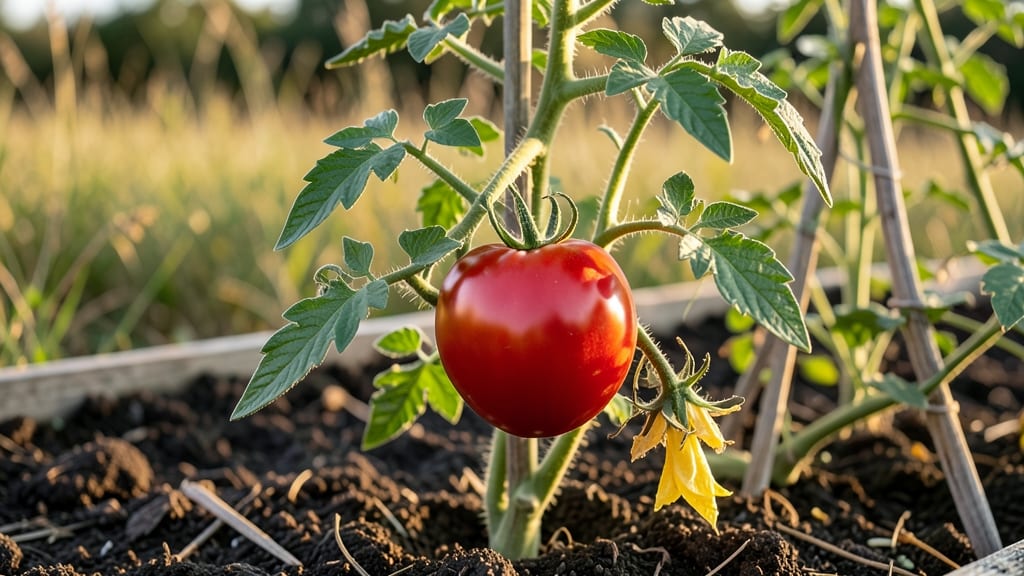
Red Beefsteak tomatoes come in determinate (bush) or indeterminate (vining) forms, where determinate plants stay compact and perfect for small spaces, while indeterminate varieties climb and produce fruit continuously if properly supported.
Determinate Red Beefsteak tomatoes stop growing once they set fruit, making them ideal for container gardens or tight spaces. 🌱 Their compact size means fewer stems to manage, but they'll only produce fruit for about 2-3 weeks before the plant matures.
Indeterminate types, on the other hand, keep growing and flowering all season long, but they need strong trellises or cages to support their sprawling vines—often reaching 6-10 feet tall.
This continuous growth means you'll get a steady supply of tomatoes throughout the summer, but it requires more upfront setup and regular pruning to encourage airflow and prevent disease.
For gardeners with limited space, determinate varieties offer a low-maintenance solution, while those with room to spare can enjoy a longer harvest window from indeterminate plants. The choice ultimately depends on your garden layout, time commitment, and whether you prefer a concentrated harvest or a drawn-out season.
💡 In This Article
- Determinate vs Indeterminate Growth Patterns in Red Beefsteak Tomatoes
- Choosing the Right Red Beefsteak Tomato for Your Garden Space
Determinate vs indeterminate growth patterns in Red Beefsteak tomatoes
The key difference between determinate and indeterminate Red Beefsteak tomatoes lies in their growth hormones and flowering mechanisms. Determinate varieties produce a single flush of flowers at the terminal bud (the very top of the plant), which then develops into a cluster of fruit.
This triggers the plant to stop growing taller, redirecting energy toward ripening those tomatoes. You'll notice their compact, bushy structure—typically reaching only 3-5 feet tall—with multiple stems radiating from the base.
Indeterminate types, however, keep producing new growth from the tips of their vines, thanks to a different hormonal balance that maintains active meristem cells. These plants grow continuously until frost, with flowers blooming along the stems in successive waves.
Each new vine tip can develop into a new fruit cluster, leading to that coveted extended harvest season. The trade-off? Their vines can sprawl 6-10 feet if unchecked, requiring support structures to prevent disease and breakage.
Here's where it gets interesting: determinate plants allocate 80-90% of their energy to fruit production during their 2-3 week harvest window, resulting in larger, more uniform tomatoes.
Indeterminate varieties, meanwhile, spread their energy across multiple smaller flushes throughout the season, often yielding 20-30% more total tomatoes but with slightly smaller individual fruits. The flavor difference? Determinate types concentrate their sugars during that final ripening burst, while indeterminate varieties develop a more complex flavor profile from gradual maturation.
Climate plays a surprising role in these growth patterns. Determinate varieties thrive in shorter growing seasons (like Zone 5 or cooler regions) where they complete their life cycle before frost. Indeterminate types excel in longer seasons (Zones 7-10) where they can keep producing.
In hot climates, indeterminate plants may need shade during peak afternoon sun to prevent blossom drop—a phenomenon where flowers abort due to temperature stress above 90°F.
For gardeners tracking growth metrics, determinate plants typically reach maturity in 60-70 days from transplant, while indeterminate varieties take 70-85 days to establish their first fruit clusters. The difference comes down to how quickly each type transitions from vegetative growth (leaf production) to reproductive growth (flowering).
Determinate varieties make this switch almost immediately, while indeterminate types prioritize vine extension for weeks before flowering.
Consider this visual comparison: determinate plants resemble small, multi-stemmed shrubs, while indeterminate varieties grow like tall, sprawling vines needing vertical support.
The growth habit affects everything from staking requirements to pruning needs—determinate plants rarely need pruning beyond removing suckers, while indeterminate types benefit from regular sucker removal every 2-3 weeks to maintain airflow and direct energy to fruit production.