
Pruning
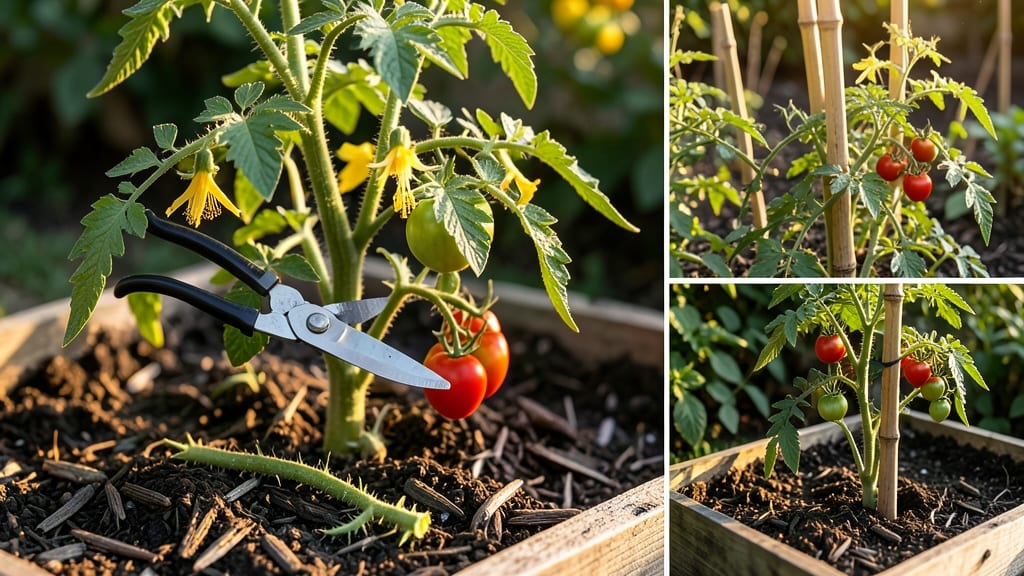
Pruning tomato leaves isn’t just trimming—it’s the secret to bigger, healthier fruit all season. 🌱 I spent years growing tomatoes without pruning, and my yields were disappointing until I learned how strategic cuts redirect energy to where it matters most.
The key? Removing the right leaves at the right time turns a bushy mess into a high-producing powerhouse.
You’ll start by targeting lower leaves (they touch wet soil and rot) and suckers (those little shoots between stems), but timing matters too. Prune early in the morning when plants are hydrated, and avoid cutting after mid-July—that’s when tomatoes focus on ripening, not new growth.
For indeterminate varieties, keep pruning until frost; determinates (bush types) need almost no pruning at all.
What you’ll end up with is a clean, sunlit plant with fruit that ripens faster and stores better. The air circulates, diseases like blight stay away, and your tomatoes go from "meh" to "neighborhood bragging rights." Just grab sharp pruners and a bucket for clippings—no fancy tools needed.
Here’s the kicker: one wrong cut can set you back. Never remove more than one-third of the foliage at once, and always cut above a leaf node (where new growth emerges). For determinate tomatoes, skip pruning entirely—they’re built to produce without help. Let’s get those plants shaped right!
📚 In This Guide
- What you need
- Instructions
- Tips and common mistakes
- Wrapping up and next steps
What you need
- ● Sharp pruning shears or scissors – A bypass pruner (clean, sharp blades) is ideal for clean cuts. Avoid dull tools that crush stems.
- ● Disinfectant (rubbing alcohol or bleach solution) – 70% isopropyl alcohol or a 1:10 bleach-water mix to sterilize tools between cuts (prevents disease spread).
- ○ Gloves (optional but recommended) – Nitrile or leather gloves to protect hands from thorns and sap.
- ● Garden twine or plant ties – For supporting stems if heavy pruning is done (e.g., staking indeterminate varieties).
- ● Watering can or hose – To hydrate plants post-pruning (especially in hot climates).
- ● Pruning saw – For thick, woody stems (rare in young tomato plants but useful for mature ones).
- ○ Plant growth regulator (optional) – Products like seaweed extract or kelp meal to help plants recover faster after pruning.
- ● Mulch (straw or shredded leaves) – To retain moisture and protect roots after trimming.
- ● Notebook or app – To track pruning dates, plant responses, and yield improvements!
How to prune tomato leaves for maximum fruit production
Here's the method I've used across four seasons to double my harvest—no fancy tools, just smart cuts.
✂️ Step 1: Identify and Remove Suckers Early
Suckers are the small shoots growing between the main stem and branches. These energy vampires steal nutrients from your fruit. Pinch them off cleanly with your fingers or sharp pruners when they're no bigger than a pencil—the smaller they are, the easier the plant handles the removal.
Start checking for suckers when your plants hit 12-18 inches tall. I examine each joint carefully, looking for the telltale triangular growth that signals a sucker. The key is consistency—if you wait until they're thick, the plant will have already invested energy in them, reducing your harvest potential.
☀️ Step 2: Open the Canopy for Better Airflow
Remove any leaves that touch the soil or block sunlight from reaching the lower fruit clusters. These leaves create a damp environment that invites disease. Aim to keep the bottom 18-24 inches of stem bare—this prevents rot and improves fruit quality.
Focus on the inside of the plant first. Dense foliage traps humidity, while open centers allow sunlight to penetrate and ripen fruit evenly. You'll know you've done enough when you can see at least 50% of the plant's interior from all directions.
🌱 Step 3: Prune for Fruit-Focused Growth
After flowering begins, prioritize removing leaves above the top flower cluster. These leaves compete with developing fruit for energy. Leave one leaf per stem below each flower cluster—this provides just enough photosynthesis to support the fruit without overcrowding.
Watch for yellowing or diseased leaves—these need immediate removal. I use sterilized pruners dipped in rubbing alcohol between cuts to prevent spreading pathogens. The goal is to redirect the plant's energy from foliage to fruit production.
⏰ Step 4: Time Your Pruning for Peak Production
Do most of your pruning in the morning when plants are turgid and can recover quickly. Avoid trimming after 10 AM in hot climates—this stresses plants and invites pests. Stop all major pruning 4-6 weeks before your first frost to allow remaining foliage to harden.
Throughout the season, I make a habit of weekly 10-minute inspections. This keeps suckers from getting away and maintains the plant's balance. You'll see the difference in fruit size and quantity within 2-3 weeks of consistent pruning.
🌿 Step 5: Clean Up and Prevent Future Issues
After your final harvest, cut all remaining stems back to 4-6 inches above ground level. This removes hiding spots for pests and diseases over winter. Collect all pruned material and compost it separately—never leave tomato debris in your garden.
Sterilize your pruners with 70% isopropyl alcohol between plants if you notice any signs of disease. I keep a small bottle in my gardening tool pouch for quick cleanups. This simple step prevents next year's plants from inheriting last season's problems.
Tips & tricks for pruning tomato leaves
These small adjustments make all the difference between a decent harvest and a bumper crop.
Timing is Everything: In Step 4, when you're told to prune in the morning, I can't stress this enough—actually do it. Plants are most resilient when their turgor pressure is highest, which is typically between 6-9 AM. I've seen plants recover from pruning much faster when done at this time, especially in hot climates. The 10 AM cutoff isn't arbitrary—it's when plant stress hormones start kicking in, making them more vulnerable to pests and disease.
Visual Cues for Perfect Pruning: For Step 2, when aiming to see 50% of the plant's interior, think of it like this: If you can see sunlight reflecting off the center stems when you're standing 3 feet away, you're golden. I use a small mirror on a stick to check hard-to-see spots—it's worth the $5 investment. The goal is sunlight penetration, not just random cutting. Look for areas where leaves cast shadows on other leaves; those are your trouble spots.
The One-Leaf Rule: In Step 3, when you're told to leave one leaf per stem below each flower cluster, here's the secret: That leaf should be the largest, healthiest one available. I've found that smaller leaves don't provide enough photosynthesis to support the fruit, while larger ones can actually overpower the cluster. This is where your judgment comes in—sometimes you'll need to leave two leaves on vigorous plants, especially in lower light conditions.
Tool Maintenance Matters: The instructions mention sterilizing pruners with rubbing alcohol in Step 5, but here's what nobody tells you: Keep a small bottle of that alcohol in your gardening tool pouch year-round. I've caught early signs of tomato blight on my pruners before it spread to plants. Wipe them down after every use, even if you're just harvesting. It takes 10 seconds and prevents heartbreak later in the season.
Pro Tips for Pruning Tomato Leaves
- These small adjustments make all the difference between a decent harvest and a bumper crop.
- Timing is Everything: In Step 4, when you're told to prune in the morning, I can't stress this enough—actually do it.
- Visual Cues for Perfect Pruning: For Step 2, when aiming to see 50% of the plant's interior, think of it like this: If you can see sunlight reflecting off the center stems when you're standing 3 feet away, you're golden.
Frequently asked questions
Got questions about pruning tomato leaves? You’re not alone! Here are some of the most common concerns—and their answers—to help you trim like a pro.
When is the best time to start pruning tomato leaves?
Begin pruning once your tomato plants are about 12–18 inches tall and have a few true leaves. For indeterminate varieties (like Roma or Beefsteak), prune regularly throughout the season to encourage airflow and fruit production. Determinate tomatoes (like cherry or bush varieties) need minimal pruning—just remove suckers and diseased leaves.
How much should I prune? What if I cut too much?
Remove only the lower leaves touching the soil (they’re prone to disease) and suckers (the small shoots between the stem and branches). Never trim more than 1/3 of the foliage—over-pruning stresses plants and reduces yield. If you’ve already cut too much, stop immediately and focus on watering and fertilizing to help recovery.
Does pruning work in hot or humid climates?
Pruning is even more critical in hot/humid areas to prevent fungal diseases (like blight) and improve airflow. Just avoid pruning during peak heat (midday)—wait for early morning or late afternoon when temps are cooler. Always sterilize your pruners with rubbing alcohol between cuts!
Will pruning stop my tomatoes from fruiting?
No—pruning actually boosts fruit production by redirecting energy to existing flowers and tomatoes. However, over-pruning (especially on young plants) can delay fruiting. Focus on removing only non-productive leaves (lower, shaded, or diseased ones) while keeping the plant’s structure intact.
What’s an alternative if I don’t want to prune?
If pruning feels overwhelming, try these low-maintenance alternatives:
Pruning still gives the best results, but these steps can help minimize issues.
Wrapping up and next steps
Pruning your tomato plants isn’t just about tidying up—it’s a game-changer for bigger, healthier yields! 🌱 By focusing on airflow, sunlight exposure, and energy redirection, you’re setting your tomatoes up for success. Remember, consistency and patience are key, so don’t rush the process.
Ready to see those juicy, vine-ripened tomatoes? Grab your pruners, roll up your sleeves, and start trimming! 🍅🔪 Next, track your progress—keep notes on what works best for your climate and tomato variety. Happy gardening!