
Watering
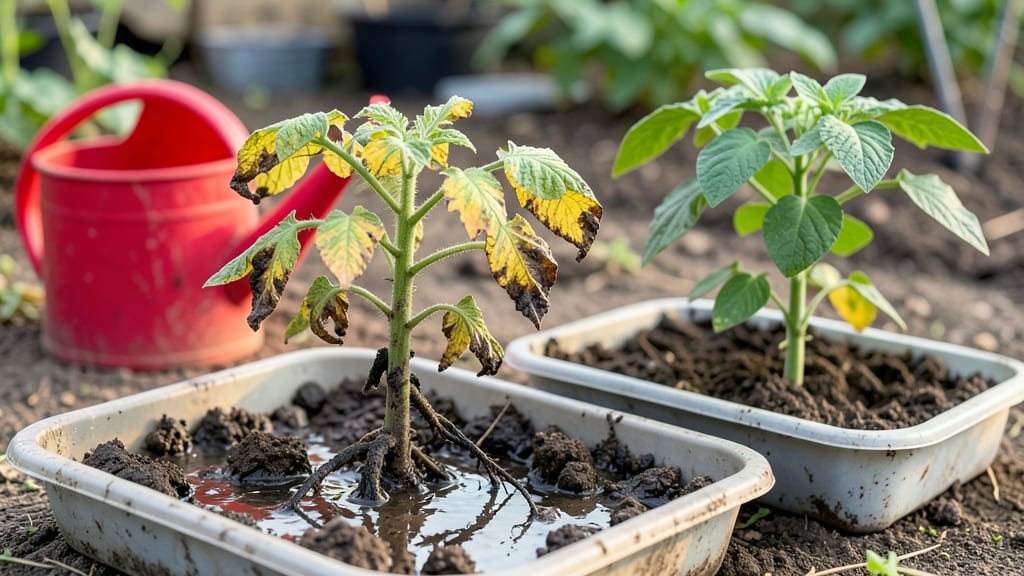
Overwatered tomato seedlings can feel like a death sentence, but I’ve nursed back dozens of soggy, wilted starts—here’s how to save yours. 🌱 The telltale signs are yellowing leaves, blackened stems, or seedlings that flop like overcooked noodles.
Don’t panic: with the right adjustments, you can revive them in days, not weeks.
The root cause is usually poor drainage or inconsistent watering—tomato seedlings hate sitting in wet soil for more than a day. I learned this the hard way when my seedlings developed a moldy crust on top of the soil (a sure sign of overwatering).
The fix starts with letting the soil dry out slightly between waterings and using containers with drainage holes.
In just 24-48 hours, you’ll see improvement: leaves perk up, growth slows down (that’s normal!), and the soil smells fresh instead of sour. The key is balance—water deeply but infrequently, and always check the soil moisture before adding more.
Once they bounce back, they’ll grow stronger and more resilient than ever.
Prevention is easier than recovery: use well-draining seed-starting mix, water from the bottom, and never let seedlings sit in saucers of standing water. With these tweaks, your next batch will thrive from day one—no soggy surprises included.
Root Causes Of Drowning Seedlings
When your tomato seedlings start wilting despite your best efforts, overwatering is often the silent culprit. But why does this happen? Let’s dig into the science behind it—because understanding the root causes (literally!) helps you prevent future disasters.
🌱 Poor Drainage In Containers Or Soil
Tomato seedlings thrive in well-draining soil, but if your pots lack drainage holes or the potting mix retains too much moisture, water pools at the roots instead of draining away.
This creates an oxygen-deprived environment, suffocating the roots and triggering anaerobic conditions—a state where roots can’t absorb nutrients or breathe properly.
Common culprits:
- Clay or plastic pots without drainage holes – Water sits at the bottom, drowning roots.
- Heavy, clay-based soils – These compact easily, blocking airflow and water escape.
- Overpacked potting mix – Too much peat or coconut coir can trap moisture like a sponge.
Actionable fix: Always use containers with drainage holes and amend heavy soils with perlite, vermiculite, or sand (20-30% by volume) to improve aeration.
💧 Inconsistent Watering Habits
Tomatoes hate wet feet—a term gardeners use for roots sitting in water for too long. If you water seedlings on a strict schedule without checking soil moisture, you risk over-saturating the mix. Even well-draining soil can become waterlogged if:
- You water every day without assessing dryness (stick your finger 1 inch deep—if it’s damp, wait).
- You use automatic drip systems set too frequently for seedlings (they need less water than mature plants).
- You water from above without letting excess drain out, causing surface crusting that traps moisture.
Science note: Roots need oxygen to function. Prolonged saturation (even 24 hours!) reduces oxygen levels, leading to root rot caused by fungi like Pythium or Phytophthora.
🌦️ Environmental Factors Trapping Moisture
Humidity, temperature, and airflow all play a role in how quickly soil dries. If your seedlings are in a:
- Low-light area – Plants transpire (release moisture) less, so soil stays damp longer.
- Plastic greenhouse or closed tray – Condensation recirculates water back into the soil.
- Cool, cloudy climate – Evaporation slows, extending the time soil stays soggy.
Pro tip: Increase airflow with a small fan (set to low) or move seedlings to a bright, breezy spot (like a sunny windowsill with a vent). Aim for 60-70% humidity—any higher risks fungal issues.
🌡️ Temperature Swings Disrupting Root Health
Cold soil (below 50°F/10°C) slows root activity, making seedlings more vulnerable to waterlogging. If your seedlings are in a:
- Chilly basement or garage – Roots struggle to absorb water efficiently, leading to buildup.
- Directly on concrete or pavers – Temperature fluctuations cause condensation, adding extra moisture.
Key stat: Ideal soil temp for tomato seedlings is 70-80°F (21-27°C). Below 60°F (15°C), roots become sluggish, and overwatering becomes a bigger risk.
Now that you know why overwatering strangles seedlings, the next step is fixing it—without losing your plants. Stay tuned for our 3-step revival guide to bring your wilted tomatoes back to life!
Reviving Drowning Tomato Stems
Now that you’ve identified why your tomato seedlings are struggling—whether from soggy soil, poor drainage, or overzealous watering—it’s time to turn things around. The good news? Most overwatered seedlings can bounce back with the right care.
Below are practical, step-by-step solutions tailored to the root cause (pun intended), plus pro tips to keep your plants thriving long-term.
Cause: Excess moisture suffocating roots Fix: Pause watering and let the soil dry out before taking further action. This prevents further root rot.
- 👨🍳 Check soil moisture by sticking your finger 1–2 inches deep. If it’s damp, wait 1–2 days before proceeding. - ⏰ If seedlings are severely wilted, gently remove them from the pot and inspect the roots.
Healthy roots are white or pale; mushy or black roots mean rot has set in. - 🌱 For rotten roots: Trim affected areas with sterilized scissors (dip in rubbing alcohol) and replant in fresh, dry soil.
💡 Pro Tip: If replanting, choose a container with drainage holes—no exceptions! Terracotta pots help wick away excess moisture faster than plastic.
Cause: Compacted or water-retentive soil Fix: Loosen the soil and amend it to prevent future sogginess.
- 🔪 Gently loosen the top 2–3 inches of soil around the seedlings with a fork or your fingers.
Avoid damaging roots. - 🌿 Add organic matter to improve aeration: - Perlite or vermiculite (1 part to 2 parts soil) for better drainage. - Compost or coconut coir (20–30%) to retain just enough moisture without drowning roots. - 🌡️ For hydroponic or soilless mixes, flush the system with clean water to remove salt buildup, then repot in a well-draining medium.
✨ Prevention Hack: Mix in sand or pumice (coarse, not fine) for long-term drainage. Aim for a 50/50 soil-to-amendment ratio for ideal texture.
Cause: Inconsistent or excessive watering Fix: Train yourself (and your watering can) to follow the "finger test + schedule" method.
| Tomato Seedling Stage | Watering Frequency | How Much? |
|---|---|---|
| Germination (0–14 days) | Every 2–3 days | Light mist (keep soil moist, not wet) |
| Seedling (2–4 weeks) | Every 3–4 days | 1/4 cup per pot (bottom-water if possible) |
| Transplanting (4+ weeks) | Every 4–5 days | 1/2 cup per plant (deep watering) |
- 💧 Bottom-watering trick: Place pots in a tray of water for 10–15 minutes—roots will drink up what they need without topsoil sogginess.
- ⏰ Best time to water: Morning (6–9 AM) so excess moisture evaporates by evening.
- 🌧️ Rainy days? Move seedlings under cover or reduce water by 50% to avoid overdoing it.
🎯 Golden Rule: "If in doubt, wait." Overwatering is 100% reversible if caught early—underwatering rarely is.
- 🍅 Support weak stems with a small stake or cage to prevent collapse as they recover. - ☀️ Boost light with a grow light (12–14 hours/day) if seedlings look leggy—they’ll need energy to rebound. - 🍄 Watch for fungal issues (like damping-off).
If mold appears, sprinkle cinnamon or hydrogen peroxide (1 tsp in 1 cup water) around the base.
Remember: Overwatered seedlings are like a drunk gardener—they just need time to sober up and a little guidance. Follow these steps, and your tomatoes will be back to their perky selves in 7–10 days. 🍅💦
Frequently asked questions
How can I tell if my tomato seedlings are overwatered vs. underwatered?
Check the soil and leaves: overwatered seedlings have yellowing lower leaves, soggy soil that smells sour, and may develop blackened stems at the base. Underwatered seedlings have crispy brown edges on leaves, dry soil pulling away from the pot, and wilting that doesn't recover after watering. The key difference? Overwatered plants stay limp even when soil is wet.
What should I do if my tomato seedlings have blackened stems from overwatering?
Act fast! Gently remove the seedling and trim any blackened or mushy roots with sterilized scissors. Replant in fresh, well-draining soil mix (50% potting soil + 50% perlite) and pause watering for 48 hours. Place the pot in bright, indirect light and avoid watering from above to prevent further rot. Most seedlings recover within 5-7 days if caught early.
Can I save tomato seedlings with white mold on the soil surface?
Yes, but act immediately! That white mold is fungal gnat larvae or damping-off—both thrive in overwatered conditions. Remove the top 1/2 inch of moldy soil and replace it with fresh, dry potting mix. Sprinkle cinnamon or diatomaceous earth around the base to prevent spread. Reduce humidity by increasing airflow (use a small fan on low) and water only when the top inch of soil is completely dry.
How often should I water tomato seedlings after they've been overwatered?
After recovery, water seedlings only when the top 1-2 inches of soil feel dry to the touch. For healthy growth: 2-3 weeks old = every 3-4 days with 1/4 cup per pot; 4+ weeks old = every 4-5 days with 1/2 cup per plant. Always water in the morning so excess moisture evaporates by evening, and use bottom-watering (place pot in water for 10 minutes) to avoid soggy soil.
Are there any common mistakes that make overwatering worse?
Three big mistakes: using plastic pots without drainage (traps water), watering on a schedule instead of checking soil (ignores weather changes), and keeping seedlings in closed trays (traps humidity). Also avoid fertilizing overwatered seedlings—roots can't absorb nutrients properly until they recover. The fix? Use terracotta pots, water only when needed, and move seedlings to a bright, breezy location with good airflow.