
Companion Plants
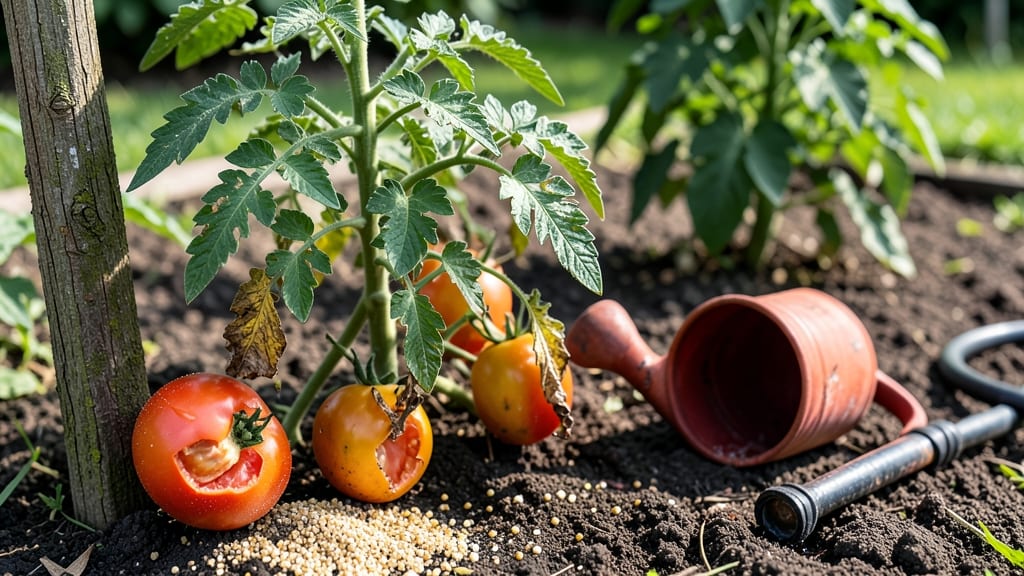
The overfeeding tomato plants last summer left mine looking like they were burning up—yellowing leaves, crispy edges, and fruit that tasted like cardboard. Too much nitrogen or synthetic fertilizer throws off the balance, causing leaf burn and weak stems. Organic overfeeding—like overdoing compost or manure—can do the same damage, just slower. My plants recovered in 2-3 weeks once I cut back on fertilizer and focused on soil health. The key is understanding your soil’s needs and adjusting your feeding schedule, not dumping more fertilizer on top of the problem.
Flushing the soil with water is the first step to reset the balance, followed by a low-nitrogen, balanced fertilizer or compost tea. For severe cases, I’ve even switched to fish emulsion diluted to half-strength.
The goal isn’t to starve the plant—it’s to let it access the nutrients already in the soil without burning itself out.
Prevention starts with soil testing and a feeding schedule: every 2-3 weeks during peak growth, not every week. Organic gardeners can use compost tea or worm castings for gentle nutrition, while synthetic users should stick to half-strength solutions.
Healthy soil means fewer corrections later—and tomatoes that taste like summer, not like sad, overfed plants.
Root Causes Of Overfeeding
When your tomato plants start looking more like chemical experiments than thriving crops, overfeeding is often the culprit. But why does this happen in the first place? Let’s dig into the science behind it—because understanding the root causes is the first step to fixing the problem.
Tomatoes thrive in soil with a balanced mix of nutrients, but too much of a good thing—especially nitrogen—can throw everything off. Here’s how it happens:
- Excess Nitrogen: Fertilizers high in nitrogen (like blood meal or urea) promote lush, green foliage at the expense of fruit production. Your plants may grow tall and leafy but produce few tomatoes—or none at all.
- Lack of Potassium & Phosphorus: Overfeeding nitrogen can starve roots of potassium and phosphorus, which are critical for flowering, fruiting, and disease resistance. Without these, your plants become weak and susceptible to issues like blossom end rot.
- Soil Saturation: If your soil is already nutrient-rich (e.g., from compost or aged manure), adding more fertilizer without testing can lead to a buildup of salts and minerals, burning plant roots.
💡 Pro Tip: Always test your soil before fertilizing! A simple home test kit or lab analysis can tell you exactly what your tomatoes need—no guesswork required.
Synthetic fertilizers are potent, and a little goes a long way—but many gardeners misapply them without realizing the consequences:
- Overapplying Granular Fertilizers: Sprinkling too much granular fertilizer around the base of your plants can create "hot spots" where salts concentrate, scorching roots. This is especially true in dry or sandy soil.
- Liquid Fertilizer Overdose: Liquid feeds (like fish emulsion or tomato-specific formulas) are convenient but easy to overdo. Following the label’s recommended dose is critical—more isn’t better.
- Frequent Feeding Without Breaks: Tomatoes don’t need constant feeding. Over-fertilizing every watering or weekly can lead to a buildup of nutrients that plants can’t use, causing toxicity.
✨ Key Insight: Slow-release fertilizers (like organic pellets) are safer for beginners because they dissolve gradually, reducing the risk of overfeeding.
Water plays a huge role in nutrient uptake—and poor watering habits can amplify the effects of overfeeding:
- Inconsistent Watering: If you water heavily after fertilizing, nutrients can leach away before roots absorb them, wasting fertilizer. But if you underwater, salts concentrate around roots, causing burn.
- Drip Irrigation Overuse: Automated systems can deliver too much water (and thus too many dissolved nutrients) if not calibrated properly, leading to root stress.
- Hard Water Buildup: If your tap water is high in minerals (like calcium or magnesium), combined with excess fertilizer, it can create a toxic cocktail in the soil.
🌡️ Quick Fix: Always water deeply but infrequently (1–2 inches per week) and avoid wetting foliage to prevent nutrient runoff and disease.
Compost, manure, and other organic amendments are fantastic—but too much can backfire:
- Fresh Manure Burn: Fresh (not composted) manure is high in ammonia and can "burn" plant roots, stunting growth. Even composted manure, if overapplied, can lead to an excess of nutrients like nitrogen.
- Compost Tea Gone Wrong: Homemade compost tea can be nutrient-rich, but if brewed incorrectly (e.g., too concentrated or with anaerobic bacteria), it can release harmful compounds that damage roots.
- Peat Moss or Coco Coir Overuse: These amendments hold nutrients tightly. In containers or raised beds, they can create a "locked-up" nutrient situation where roots can’t access what they need.
🔥 Rule of Thumb: When in doubt, less is more. A 1–2 inch layer of compost is plenty for most tomato plants.
Now that you know why overfeeding happens, the next step is spotting the signs and taking corrective action. Stay tuned for our deep dive into symptoms and fixes!
Fixing Overfed Tomato Plants
Overfeeding tomato plants can feel like a gardening disaster—until you know how to reverse the damage and prevent future mistakes. The good news? With the right steps, you can restore balance to your soil and save your plants.
Below, we’ll break down practical fixes based on the root cause of overfeeding, plus prevention tips to keep your tomatoes thriving.
If your tomatoes show signs of salt buildup (crispy edges, yellowing leaves, or stunted growth), the soil may be too concentrated with nutrients. Flushing excess salts and fertilizers is the fastest way to reset the soil chemistry.
How to Do It:
🔥 Step 1: Water Deeply
- Water the plant thoroughly until water runs out of the drainage holes. This helps leach out accumulated salts and excess nutrients.
- Repeat 2–3 times over 3–5 days to ensure thorough flushing.
🍳 Step 2: Use Rainwater or Filtered Water
- Avoid tap water (which may contain chlorine or minerals) and opt for rainwater, distilled water, or filtered water to prevent re-introducing salts.
👨🍳 Step 3: Add Organic Matter
- Mix compost, coconut coir, or peat moss into the top 6 inches of soil to improve drainage and dilute concentrated nutrients.
- Avoid fresh manure—it can further imbalance the soil.
⏰ Step 4: Monitor & Adjust
- After flushing, reduce fertilizer for 2–4 weeks and observe for improvement.
- If leaves still look stressed, test your soil (a simple DIY test kit works) to check pH and nutrient levels.
💡 Pro Tip: If your plants are in containers, repotting into fresh, well-draining soil may be necessary for severe cases.
If your tomatoes show fertilizer burn (brown, crispy leaf edges or blackened stems), they’re getting too much nitrogen or salts at once. The solution? Stop feeding and adjust your approach.
How to Do It:
🔥 Step 1: Halt Fertilizer Use
- Stop all synthetic fertilizers immediately. Let the plant recover for 1–2 weeks before reintroducing nutrients.
🍳 Step 2: Switch to Gentle Feedings
- Once recovered, use a balanced, organic fertilizer (like fish emulsion or compost tea) diluted to half strength.
- Apply only when the soil is moist to avoid further burn.
👨🍳 Step 3: Focus on Watering
- Water at the base (not overhead) to prevent salt buildup on leaves.
- Use mulch (straw or grass clippings) to retain moisture and regulate soil temperature.
✨ Pro Tip: If using liquid fertilizers, rinse the soil after application to prevent salt accumulation.
Overfeeding often leads to excess nitrogen, which promotes leafy growth at the expense of fruit production. To encourage flowering and fruiting, rebalance the soil with potassium and phosphorus.
How to Do It:
📊 Step 1: Test Soil Nutrients
- Use a soil test kit to check levels of nitrogen (N), phosphorus (P), and potassium (K).
- Ideal ratios for fruiting plants: Lower N, Higher P & K (e.g., 5-10-10 or 3-4-6).
💪 Step 2: Add Potassium-Rich Amendments
- Mix in banana peels, wood ash, or greensand for potassium.
- For phosphorus, use bone meal or rock phosphate (sparingly—too much can lock out other nutrients).
🥗 Step 3: Use Organic Matter for Slow Release
- Worm castings or well-aged compost provide a steady, balanced nutrient supply without risk of burn.
- Avoid high-nitrogen amendments like fresh grass clippings.
🎯 Pro Tip: Side-dress with crushed eggshells (for calcium) to prevent blossom-end rot, a common issue in overfed plants.
Once your tomatoes recover, prevent overfeeding with these long-term strategies:
- Follow the Label: Never exceed recommended fertilizer doses—more isn’t better!
- Feed in Stages: Use a slow-release fertilizer (like organic pellets) or liquid feed every 2–3 weeks during the growing season.
- Observe Your Plants: Yellow leaves? Less nitrogen. Few flowers? More phosphorus/potassium.
- Rotate Crops: Avoid planting tomatoes in the same spot yearly to prevent nutrient depletion or buildup.
- Use Companion Plants: Pair tomatoes with basil, marigolds, or borage to improve soil health naturally.
By addressing the specific symptoms of overfeeding and adjusting your care routine, your tomato plants will bounce back stronger—and your harvest will thank you! 🍅✨
Frequently asked questions
What are the first signs my tomato plants are overfed?
Watch for crispy brown leaf edges, yellowing between leaf veins, or stunted growth with lots of leaves but few tomatoes. These are classic signs of excess nitrogen or salt buildup. If you see blackened stems or wilting despite moist soil, it’s a severe case that needs immediate action.
Can I still save my tomato plants if they're already showing burn symptoms?
Yes! Stop fertilizing immediately and flush the soil with 2-3 gallons of water over 3-5 days. Use rainwater or filtered water to avoid adding more salts. Most plants recover in 1-2 weeks if you catch it early. For severe cases, repotting into fresh soil may be necessary.
How often should I fertilize tomato plants to avoid overfeeding?
Feed every 2-3 weeks during the growing season using half-strength fertilizer. Organic options like compost tea or worm castings are gentler. Always water thoroughly after fertilizing to help nutrients reach roots. Never feed when soil is dry—it concentrates salts and causes burn.
Is organic fertilizer safer than synthetic for tomatoes?
Organic fertilizers are generally safer because they release nutrients slowly, but they can still cause problems if overapplied. Fresh manure or compost tea that's too strong can burn roots just like synthetic fertilizers. Always follow package instructions and dilute organic liquids to half-strength when in doubt.
Will overfeeding affect the taste of my tomatoes?
Overfed plants produce tomatoes that taste bland or even bitter. The excess nitrogen shifts energy to leaf growth instead of fruit development. You’ll also notice smaller fruits with tougher skins. Flushing the soil and balancing nutrients will restore both flavor and quality to your harvest.