
Companion Plants
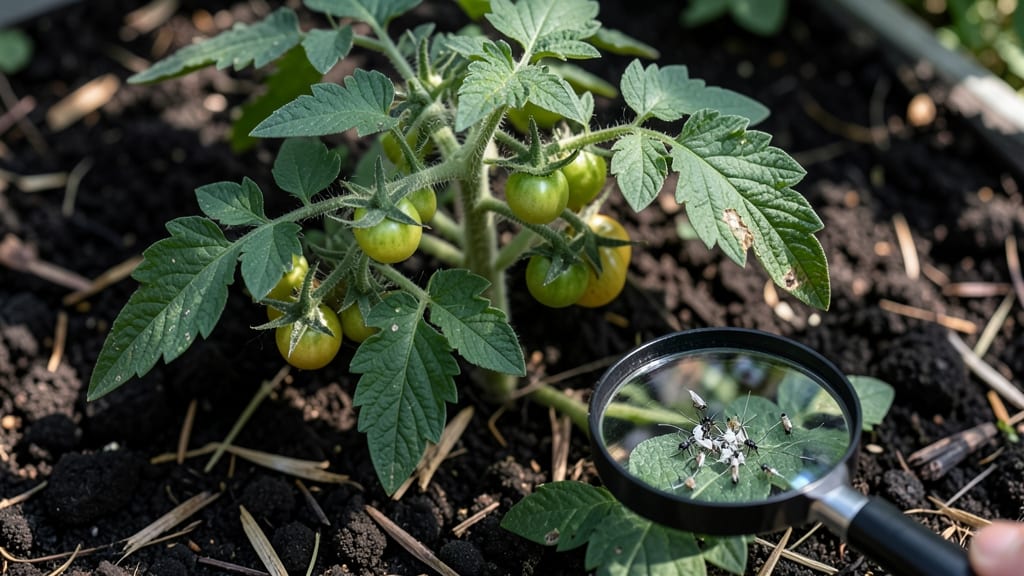
Those little flies on tomato plants buzzing around your garden are a bigger threat than you think. 🌱 I’ve battled them every summer—until I learned how to outsmart them with natural predators instead of sprays.
The key? Understanding their lifecycle and luring their enemies to the party before they ruin your harvest.
Most of these pests—whiteflies, fungus gnats, or fruit flies—love damp soil and overripe fruit. You’ll spot them hovering near leaves or see their eggs as tiny white specks. The damage? Sticky residue on foliage, wilting plants, and fruit that spoils before ripening.
But here’s the good news: beneficial insects like ladybugs and lacewings will devour them if given the right conditions.
Start by pruning crowded vines and removing fallen fruit to break their cycle. Then, plant basil or marigolds nearby—their scents repel flies while attracting predators. Add yellow sticky traps to catch adults, and a neem oil spray (once a week) to disrupt their lifecycle without harming your tomatoes.
Within 2-3 weeks, you’ll see fewer flies and more pollinators buzzing around. The best part? This method works year after year, saving your harvest without chemicals. Let’s turn those pests into a thing of the past!
Root Causes Of Tiny Tomato Invaders
Those pesky little flies buzzing around your tomato plants aren’t just random visitors—they’re drawn by specific conditions that turn your garden into an all-you-can-eat buffet. Understanding why they show up is the first step to outsmarting them.
Below, we break down the key triggers, from environmental cues to plant behaviors, so you can address the problem at its source.
Tomato flies—especially fruit flies and hornworm flies—have an uncanny ability to detect spoiled or injured fruit. Here’s how it works:
- Sugar and alcohol fermentation: As tomatoes ripen, their sugar content increases, releasing volatile organic compounds (VOCs) that flies can smell from feet away. Overripe or cracked fruit ferments, producing ethanol (the same alcohol in beer), which acts like a neon sign for flies.
- Protein-rich decay: Flies are protein-hungry. When fruit rots, it releases amino acids and other nutrients that attract adult flies to lay eggs. A single cracked tomato can become a breeding ground for hundreds of larvae in days.
- Physical wounds: Hail, bird pecks, or even rough handling create entry points for flies. The exposed flesh emits glucosinolates (chemicals that signal stress), which flies interpret as a “help yourself” invitation.
Actionable fix: Harvest tomatoes as soon as they’re ripe (or slightly underripe) and remove any damaged fruit immediately. For fallen tomatoes, bury them deep in soil or compost far from plants—flies can detect buried fruit too!
Flies thrive in damp, decaying environments. Your tomato plants might be hosting them because of:
- Excessive soil moisture: Waterlogged soil slows decomposition, creating a perfect breeding ground for fungus gnats and shore flies. These flies lay eggs in moist mulch or soil, and their larvae feed on decaying organic matter—often right at the base of your plants.
- Thick mulch or grass clippings: Organic mulch (like straw or leaves) breaks down over time, releasing odors that attract flies. If it’s piled too thick, it traps heat and moisture, accelerating decomposition—and the fly population.
- Weeds and debris: Dead plant matter, especially broadleaf weeds or volunteer tomatoes, provides hidden harborage. Flies use these spots to rest, mate, and lay eggs without detection.
Actionable fix:
- Use drip irrigation or soaker hoses to keep foliage dry and soil evenly moist (but not soggy).
- Replace thick mulch with straw or wood chips (thin layer, 1–2 inches) and keep it away from plant stems.
- Pull weeds and debris weekly, especially under plants and along garden edges.
While some plants repel flies, others attract them—either by luring the pests away from tomatoes or by providing shelter. Common culprits include:
| Attractive Plant | Why It Draws Flies | How to Mitigate |
|---|---|---|
| Basil | Releases eugenol, a compound that masks tomato odors but also attracts some fly species (like fungus gnats) to its own foliage. | Plant basil far from tomatoes (10+ feet away) or use purple basil, which repels more pests. |
| Marigolds (Tagetes) | While they deter many pests, their strong scent can attract fungus gnats and fruit flies in humid conditions. | Choose French marigolds (Tagetes patula) over African marigolds (Tagetes erecta) for better repellent effects. |
| Compost piles or manure | Acts as a fly magnet due to high ammonia and organic acid levels. | Cover compost with cardboard or a breathable tarp and turn it frequently to reduce moisture. |
Actionable fix: If you’re using companion plants, space them strategically. For example, plant garlic, chives, or mint near tomatoes—they repel flies without attracting them. Avoid planting aromatic herbs (like dill or fennel) close by, as they can draw beneficial insects and pests.
Flies are opportunistic, and their activity spikes under these conditions:
- Warm, humid air: Temperatures above 75°F (24°C) accelerate fly reproduction. Humidity above 60% creates the perfect environment for egg-laying and larval survival.
- Rainy seasons: Standing water and damp soil after rain turn your garden into a fly paradise. Even shallow puddles or irrigation runoff can become breeding sites for drain flies or shore flies.
- Late summer/early fall: As tomatoes ripen en masse, fly populations explode. This is when you’ll see the most activity—often just as your harvest peaks!
Actionable fix:
- Improve airflow around plants with pruning or spacing (aim for 18–24 inches between plants).
- Use row covers or fine mesh netting during peak fly seasons (August–September).
- Water early in the morning to allow foliage to dry quickly, reducing humidity around plants.
By tackling these root causes, you’ll disrupt the fly life cycle before they even get started. Next, we’ll explore natural predators that can help keep their populations in check—without chemicals!
How to solve it
Those pesky little flies buzzing around your tomato plants (likely fruit flies or fungus gnats) can feel like an unwinnable battle—but don’t worry! With a few targeted strategies, you can reclaim your garden’s health and protect your harvest.
Below, we’ve mapped the most common causes to practical solutions, so you can act fast and keep your tomatoes thriving.
🔥 Yellow Sticky Traps (For Fruit Flies & Fungus Gnats)
If you’ve spotted tiny flies hovering near your plants, yellow sticky traps are your first line of defense. These traps work by luring flies with their bright color, then trapping them in a sticky residue. Here’s how to use them effectively:
- 🍳 Set them up: Place traps near (but not touching) your tomato plants, especially under leaves where flies hide.
- 👨🍳 Replace weekly: Traps lose effectiveness as they fill up, so swap them out every 7 days for maximum fly-catching power.
- 🌡️ Boost with scent: Add a drop of apple cider vinegar or overripe fruit to the trap to attract even more flies.
Pro Tip: 💡 Place traps away from beneficial insects like bees or ladybugs to avoid harming your garden’s natural allies.
🍳 Soil Moisture Control
Overwatered or soggy soil is a magnet for fungus gnats. These flies lay eggs in damp, organic-rich soil, so adjusting your watering habits can cut their population dramatically.
- ⏰ Water wisely: Let the top 1–2 inches of soil dry out between waterings. Use a moisture meter or stick your finger in the soil to check.
- 💦 Drip irrigation: Water at the base of the plant (not overhead) to keep foliage dry and discourage fly activity.
- 🌱 Mulch properly: Apply a thin layer of straw or pine needles to retain moisture without creating a gnat paradise.
Pro Tip: 🔥 If your soil stays too wet, consider amending it with perlite or sand to improve drainage.
👨🍳 Natural Predators & Beneficial Insects
Instead of chemicals, harness the power of nature! Introducing beneficial predators like nematodes, ladybugs, or dragonflies can help keep fly populations in check.
- 🔪 Steinernema feltiae (beneficial nematodes): These microscopic worms hunt fungus gnat larvae. Mix them with water and apply to soil every 4–6 weeks.
- 🐞 Ladybugs & lacewings: Release these insects near your plants—they devour fly eggs and larvae.
- 🦽 Dragonfly larvae: Add them to your garden pond or water feature to control adult flies naturally.
Pro Tip: ✨ For best results, release predators in the evening when they’re most active and less stressed by heat.
🥘 Companion Planting for Fly Repellent
Certain plants naturally repel flies while also benefiting your tomatoes. Interplant these fly-deterrents to create a protective barrier:
| Companion Plant | Why It Works |
|---|---|
| Basil | Masks tomato scent (which attracts flies) and contains eugenol, a natural fly repellent. |
| Marigolds | Emit a strong fragrance that deters fungus gnats and other pests. |
| Garlic & Onions | Their pungent smell confuses flies and disrupts their ability to locate your tomatoes. |
| Nasturtiums | Act as a trap crop, luring flies away from your tomato plants. |
Pro Tip: 🎯 Plant these companions close to your tomatoes (within 1–2 feet) for maximum effect.
🔪 Organic Sprays for Immediate Relief
If flies are already wreaking havoc, a quick spray can buy you time while you implement longer-term fixes. Try these non-toxic options:
- 🍎 Apple Cider Vinegar Spray: Mix 1 tbsp ACV with 1 quart of water and spray around plants (flies are drawn to the scent and get trapped in the liquid).
- 🌿 Neem Oil: Dilute 1 tsp neem oil in 1 quart of water, add a drop of dish soap, and spray on leaves. Note: Avoid spraying in direct sunlight to prevent leaf burn.
- 🧂 Saltwater Solution: Mix 1 cup of salt in 1 gallon of water and spray on soil to kill larvae (use sparingly to avoid harming plants).
Pro Tip: 🌡️ For neem oil, reapply every 5–7 days until fly activity decreases.
🛡️ Long-Term Prevention Tips
Once you’ve tackled the current infestation, keep flies at bay with these preventive measures:
- 🌱 Rotate crops: Avoid planting tomatoes (or other nightshades) in the same spot year after year to break the fly life cycle.
- 🍅 Remove fallen fruit: Overripe or rotting tomatoes attract flies—clean up debris promptly.
- 🌿 Use row covers: Lightweight fabric covers can block flies while allowing pollination (remove when flowers appear).
- 🔄 Sterilize tools: Clean pruners and garden tools with rubbing alcohol to prevent spreading fungal spores that attract gnats.
With these strategies, you’ll not only eliminate current fly problems but also protect future harvests. Happy gardening!
Frequently asked questions
Are those tiny flies on my tomato plants harmful?
Yes, they can be! Most common garden flies like fungus gnats or fruit flies don't bite humans, but they damage plants by laying eggs in soil or fruit. Their larvae feed on roots or rotting tomatoes, causing wilting, stunted growth, and fruit spoilage. The sooner you act, the better—these pests multiply quickly!
How do I tell if it's fungus gnats or fruit flies?
Check their behavior: Fungus gnats are tiny (1/8 inch), dark-winged flies that hover near soil. Fruit flies are slightly larger (1/4 inch) and swarm around overripe tomatoes. Look for white eggs on leaves or larvae in damp soil—they're worm-like with black heads.
Will neem oil really work against these flies?
Neem oil disrupts flies' life cycles by coating their bodies and eggs. Mix 1 tsp neem oil with 1 quart water and 1 drop dish soap, then spray leaves and soil. Reapply every 5-7 days until you see fewer flies. Best used at dusk to avoid leaf burn from sunlight.
Can I use coffee grounds to repel tomato flies?
Yes, but with caution! Coffee grounds work best as a soil amendment—they improve drainage while repelling fungus gnats. Sprinkle 1/2 cup around plant bases (not touching stems) and water in. For immediate fly control, try a stronger solution: mix 1 cup used coffee grounds with 1 gallon water and spray foliage.
How long until I see results from natural predators?
Patience pays off! Ladybugs and lacewings start eating fly eggs within 24-48 hours of release, but full control takes 2-3 weeks. Nematodes (for soil-dwelling larvae) work faster—you'll see fewer flies in 7-10 days. Release predators in the evening when they're most active, and provide water sources nearby to keep them around.