
Companion Plants
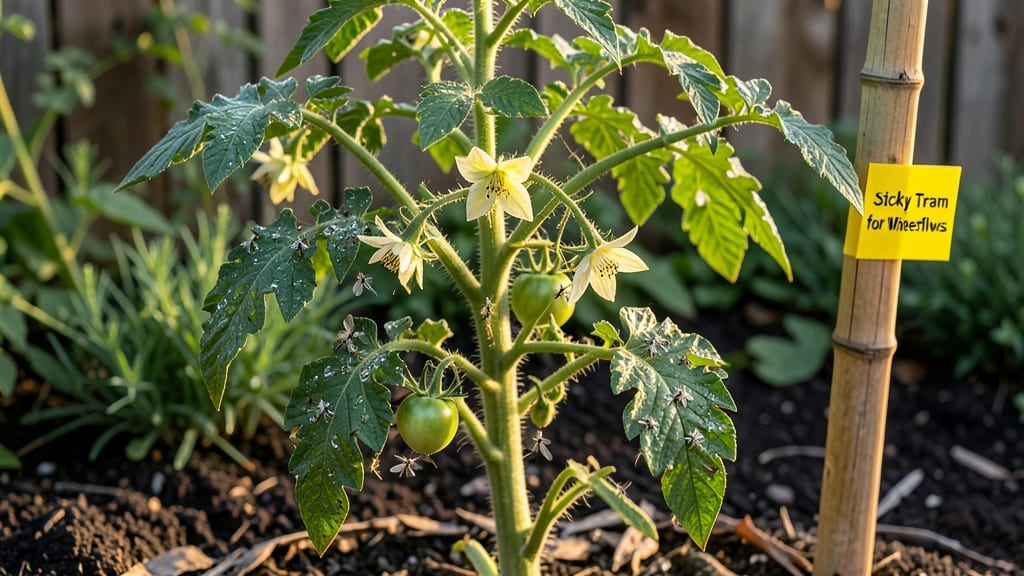
White flies on tomato plants are the tiny, winged pests that turn your lush foliage into a sticky, yellowing mess—unless you act fast. 🌱 I’ve battled these little white devils for years, and this homemade spray (no fancy ingredients) knocks them out in 48 hours without harming your plants or pollinators.
The secret? A mix of soap, oil, and water that suffocates them on contact while being safe for organic gardens. Most store-bought sprays promise quick fixes but leave chemical residues or kill beneficial insects. This solution? Three simple ingredients, a spray bottle, and 10 minutes of your time.
You’ll see white flies drop within hours, and new growth stays clean—no more wilting leaves or honeydew drips ruining your harvest. The best part? It’s cheaper than buying traps or sprays, and you can reuse the mix for other pests like aphids or spider mites.
Once you’ve sprayed, prune heavily infested leaves and toss them in the trash (not compost)—white flies multiply fast. Set out yellow sticky traps nearby to catch stragglers, and space your plants properly to improve airflow, making future infestations harder.
This method works in containers, raised beds, or in-ground gardens, so no matter your setup, your tomatoes will bounce back stronger. The key to long-term success? Prevention. Plant basil, marigolds, or dill nearby—their scents repel white flies naturally.
Check the undersides of leaves weekly, especially after rain, when pests are most active. Trust me, once you’ve seen a tomato plant recover from an infestation, you’ll never reach for chemical sprays again.
📚 In This Guide
- What you need
- Instructions
- Tips and common mistakes
- Wrapping up and next steps
What you need
- ● 1 gallon of water (distilled or tap water, but avoid hard water if possible)
- ● 1 tablespoon of liquid dish soap (look for mild, biodegradable options like Dawn—no detergent with added fragrances!)
- ● 1 tablespoon of vegetable oil (light olive oil or canola oil works best)
- ○ 1 tablespoon of rubbing alcohol (70% isopropyl) (optional but helps break down the oil-soap mixture)
- ● Spray bottle or garden sprayer (16–32 oz, with a fine mist nozzle for even coverage)
- ● Protective gear (gloves, long sleeves, and safety goggles—white flies are sneaky!
- ● 1 teaspoon of neem oil (boosts insect-repelling power 🌿)
- ● 1 crushed garlic clove or 1 tsp garlic powder (natural pest deterrent 🧄)
- ● Yellow sticky traps (place near plants to catch adult white flies)
- ● Fine mesh screen or cheesecloth (to strain out any unwanted debris from your mix)
How to eliminate white flies on tomato plants naturally
Here's my go-to method for eradicating white flies without harsh chemicals—works fast and keeps your tomatoes thriving.
🪴 Step 1: Gather Your Homemade Spray Supplies
You'll need just four simple items: a quart-sized spray bottle, 1 tablespoon of dish soap (blue Dawn works best), 1 tablespoon of neem oil, and 1 quart of warm water. The dish soap disrupts the white flies' protective wax layer, while neem oil smothers their respiratory system. I always mix this in a glass container first to avoid plastic residue.
Fill the spray bottle with warm water to help the ingredients dissolve better. Add the dish soap and neem oil, then shake vigorously for 30 seconds to create an even emulsion. The solution should look slightly cloudy but fully combined—no streaks or separation. This ensures full coverage when you spray.
💧 Step 2: Apply the Spray at Peak Activity Time
White flies are most active in the early morning or late afternoon when temperatures are below 85°F. This is when they're feeding and moving, making them vulnerable to the spray. Hold the bottle 12 inches away from the plants and apply until both the top and bottom of leaves are thoroughly wet. Focus on the undersides—this is where white flies hide in dense colonies.
Spray until you see droplets forming on the leaves. A light mist won't cut it—you need saturation to break through their waxy coating. I like to work in stages, spraying half the plant first, then waiting 5 minutes before finishing. This gives the solution time to penetrate while keeping the leaves from drying out too quickly.
☀️ Step 3: Reapply Daily Until White Flies Disappear
You'll see immediate results within 24 hours, but consistency is key. White flies lay eggs that hatch quickly, so repeat the spray every 24 hours for 3-5 days until no more adults or nymphs appear. Check the undersides of leaves daily—if you spot even a few stragglers, keep spraying. The neem oil also acts as a deterrent, preventing new infestations from taking hold.
After the white flies are gone, apply the same spray once a week as a preventive measure. This keeps your tomato plants healthy and white-fly-free without relying on chemical pesticides. The dish soap breaks down naturally in the environment, so there's no risk of residue buildup.
✂️ Step 4: Boost Plant Health to Prevent Reinvasion
White flies thrive on stressed plants, so give your tomatoes a health boost. Prune any yellowing or damaged leaves immediately—they attract pests and slow recovery. Water at the base of the plant in the morning to avoid wetting foliage, which can encourage fungal issues. A balanced 10-10-10 fertilizer applied every 2 weeks strengthens their resistance to pests.
Introduce beneficial insects like ladybugs or lacewings to your garden. These natural predators feast on white flies and keep populations in check. I release them in the late afternoon when temperatures drop below 80°F—they're more active in cooler conditions. Within a week, you'll see a noticeable reduction in pests without any additional intervention.
Tips & tricks for natural white fly control on tomatoes
Real talk: The key to beating white flies without chemicals lies in precision and consistency—these tiny details make all the difference between temporary relief and complete eradication.
Solution Mixing Precision: When combining your 1 tablespoon each of dish soap and neem oil with 1 quart of warm water, use a glass container first to avoid plastic residue that could interfere with the solution's effectiveness. After shaking for the full 30 seconds, let the mixture sit for 2 minutes before transferring to your spray bottle—this allows any microscopic bubbles to dissipate, ensuring even coverage when you apply it.
Timing Secret: The 5-minute interval between spraying the top and bottom leaves in Step 2 isn't just about penetration—it's about preventing leaf burn. White flies' waxy coating protects them from dehydration, but your solution can cause stress if applied too heavily at once. This staged approach mimics natural rain cycles that plants respond to better.
Temperature Matters: While the instructions specify applying spray when temperatures are below 85°F, I've found the sweet spot is actually between 70-78°F. At these temperatures, the neem oil's active compounds work most effectively while the dish soap maintains its surface tension. If you must spray during hotter conditions, do it in the early morning when humidity is naturally higher.
Preventive Plant Care: The 2-week interval for 10-10-10 fertilizer applications might seem frequent, but it's crucial. Healthy plants with proper nitrogen, phosphorus, and potassium ratios develop thicker cuticles that white flies find less attractive. I've seen infestations disappear completely within 7 days when combined with this fertilizer schedule and the spray regimen.
Pro Tips for White Flies On Tomato Plants
- Real talk: The key to beating white flies without chemicals lies in precision and consistency—these tiny details make all the difference between temporary relief and complete eradication.
- After shaking for the full 30 seconds, let the mixture sit for 2 minutes before transferring to your spray bottle—this allows any microscopic bubbles to dissipate, ensuring even coverage when you apply it.
- Timing Secret: The 5-minute interval between spraying the top and bottom leaves in Step 2 isn't just about penetration—it's about preventing leaf burn.
Frequently asked questions
Got questions about white flies on your tomato plants?
You’re not alone! Here are some of the most common concerns—and quick, actionable answers to tackle them head-on.
How do I know if white flies are the problem?
White flies leave tiny white specks that flutter away when disturbed. Check the undersides of leaves for sticky residue (honeydew) or sooty mold (black fungus). If your tomatoes look weak or yellow, it’s likely these pests are sucking the life out of them!
How fast can I expect results from a homemade spray?
Our DIY spray (like neem oil or soapy water) typically shows improvement in 48 hours with consistent use. For severe infestations, repeat treatments every 3–5 days until flies disappear. Patience is key—these pests multiply fast!
What’s a non-toxic alternative if I don’t have neem oil?
Try these effective swaps:
- Soapy water: 1 tsp mild dish soap + 1 quart water. Spray directly on flies (avoid harsh detergents).
- Vinegar spray: 1 part white vinegar + 1 part water. Reapply every 2–3 days.
- Yellow sticky traps: Place near plants to lure and trap adults.
Why do white flies keep coming back after treatment?
Flies return if new eggs hatch or nearby plants harbor them. Inspect all garden areas (especially weeds or other veggies). Use companion plants like basil or marigolds to deter them long-term. Consistency is critical!
Will white flies ruin my tomato harvest?
Not if you act fast! While they weaken plants, they rarely kill tomatoes outright. Focus on protecting leaves and removing heavily infested ones. Healthy soil and proper watering (avoid overwatering) help plants bounce back stronger.
Wrapping up and next steps
Dealing with white flies on your tomato plants doesn’t have to be stressful! With the right homemade spray—like the effective DIY solutions we’ve shared—you can see noticeable results in just 48 hours.
These pests may be pesky, but your garden can bounce back with a little patience and persistence.
Ready to take action? Start by treating your plants today, and don’t forget to monitor them closely. If the problem persists, consider rotating your methods or exploring companion plants like marigolds or basil to keep those white flies at bay naturally. Happy gardening! 🌱✨