
Plants
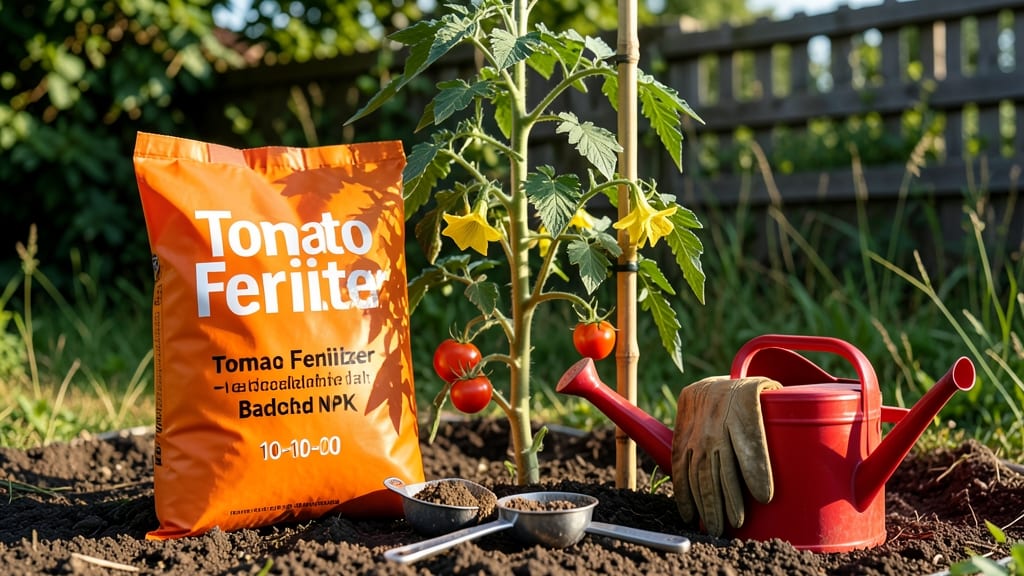
A tomato plant fertilizer schedule is the game-changer between a handful of sad tomatoes and a vine bursting with juicy, flavor-packed fruit 🍅.
Struggling to get the juiciest tomatoes from your garden? The secret isn’t just sunlight and water—it’s a science-backed fertilizer schedule that fuels growth at every stage.
Most gardeners overfeed early or underfeed when it counts, leading to stunted plants or poor yields. This plan keeps your tomatoes thriving from seedling to harvest by matching nutrients to their needs.
Below, I break down the exact monthly feeding plan, including organic vs. synthetic options, when to switch ratios, and how to spot nutrient deficiencies before they hurt your crop.


Monthly tomato fertilizer schedule by growth stage (with N-P-K ratios)
Tomatoes are heavy feeders, and their nutrient needs change dramatically from seedling to harvest. A well-timed fertilizer schedule ensures strong stems, abundant blooms, and sweet, juicy fruit. The key is balancing nitrogen (N) for leafy growth, phosphorus (P) for flowering, and potassium (K) for fruit development.
Organic and synthetic fertilizers each have their place—let’s break down when to use them.
Your tomato plants go through four critical stages: seedling (0-4 weeks), vegetative growth (4-8 weeks), flowering/fruiting (8-12 weeks), and harvest (12+ weeks). Each stage demands a different N-P-K ratio.
For example, seedlings need a low-P, low-K fertilizer to avoid burning tender roots, while fruiting plants thrive on a higher-P, balanced-K blend to support heavy fruit loads.
Here’s how to match your fertilizer to your plant’s needs at every stage, plus a side-by-side comparison of organic vs. synthetic options to help you choose what works best for your garden.
| Growth Stage | Organic Fertilizer | Synthetic Fertilizer | N-P-K Ratio | Application Timing |
|---|---|---|---|---|
| Seedling (0-4 wks) | Compost tea or worm castings | 5-5-5 starter fertilizer | Low N-P-K (e.g., 3-3-3) | At planting, then 2 wks later |
| Vegetative Growth (4-8 wks) | Fish emulsion or alfalfa meal | 10-10-10 balanced fertilizer | Higher N (e.g., 10-5-5) | Every 3-4 weeks |
| Flowering/Fruiting (8-12 wks) | Bone meal or banana peel tea | 10-20-20 or 5-10-10 | High P (e.g., 5-10-5) | Every 2 weeks |
| Harvest (12+ wks) | Potassium-rich compost or greensand | 0-0-50 or 13-13-13 | Balanced K (e.g., 5-5-10) | Every 4-6 weeks |
🌱 Pro Tip: Always water fertilizer into the soil to avoid leaf burn. Apply in the morning to let nutrients soak in before the heat of the day.
For the seedling stage (0-4 weeks), I recommend a gentle approach. Use a low-nutrient starter fertilizer like compost tea or a 5-5-5 synthetic blend to avoid overwhelming young roots. Organic options like worm castings provide slow-release nutrients, while synthetic fertilizers offer precise control.
During this phase, focus on establishing strong roots—avoid high-nitrogen fertilizers, which can lead to leggy, weak seedlings.
When your tomatoes hit the vegetative growth stage (4-8 weeks), they’ll start putting on serious leaf and stem growth. This is the time to introduce a balanced fertilizer with slightly higher nitrogen, like a 10-10-10 synthetic or fish emulsion.
Organic options like alfalfa meal are excellent for boosting nitrogen without the risk of salt burn. Apply every 3-4 weeks to keep the plant vigorous but avoid over-fertilizing, which can delay flowering.
Transitioning to the flowering/fruiting stage (8-12 weeks) is where the magic happens—and where many gardeners make mistakes. Tomatoes need phosphorus (P) for blooms and potassium (K) for fruit development. Switch to a higher-P fertilizer, like a 10-20-20 synthetic or bone meal for organic gardeners.
I’ve found that banana peel tea (rich in potassium) can work wonders for preventing blossom end rot. Apply every 2 weeks during this critical phase.
Finally, during the harvest stage (12+ weeks), your goal shifts to maintaining plant health and supporting ongoing fruit production. A balanced or potassium-rich fertilizer, like a 5-5-10 synthetic or potassium sulfate, helps sustain energy
5 Signs your tomatoes need fertilizer (and how to fix it)
Even with perfect sunlight and water, your tomato plants may still struggle if they lack essential nutrients. Yellowing leaves, slow growth, or poor fruit production often signal it's time to fertilize. The key is recognizing these nutrient deficiency signs early and responding with the right amendments.
Tomatoes are heavy feeders, especially during flowering and fruiting stages. Without proper nutrients, they’ll show visible stress—like purple stems (phosphorus deficiency) or crispy leaf edges (potassium deficiency). The good news? Most issues can be fixed with simple, targeted solutions.
- Yellow lower leaves: Add nitrogen-rich fertilizer (e.g., fish emulsion) or compost tea. 🌿
- Purple stems: Boost phosphorus with bone meal or a 10-20-10 fertilizer. 🪴
- Blossom end rot: Increase calcium with crushed eggshells or lime. 💧
- Stunted growth: Use a balanced fertilizer (e.g., 5-5-5) to support root development. 🌱
- Crispy leaf edges: Add potassium via banana peels or wood ash. 🌿
For organic gardeners, DIY remedies like compost tea or worm castings can provide a gentle nutrient boost without harsh chemicals. Simply steep compost in water for 24 hours, strain, and apply to soil. Banana peels, rich in potassium, can be buried near roots for a slow-release fix.
Over-fertilizing is just as harmful as under-fertilizing. Burnt leaf tips or excessive foliage growth (with few fruits) are red flags. Always follow the fertilizer instructions and avoid feeding after mid-summer—this encourages tender new growth that won’t survive frost.
Start with a soil test to identify deficiencies before applying fertilizers. Most garden centers offer affordable test kits. If your tomatoes show multiple signs of distress, a balanced fertilizer (like 10-10-10) can address general deficiencies while you pinpoint specific needs.
Remember, healthy tomatoes thrive on a consistent feeding schedule—not just when problems appear. Proactive care leads to bigger yields, sweeter fruit, and plants that bounce back from pests and diseases. 🍅