
How To
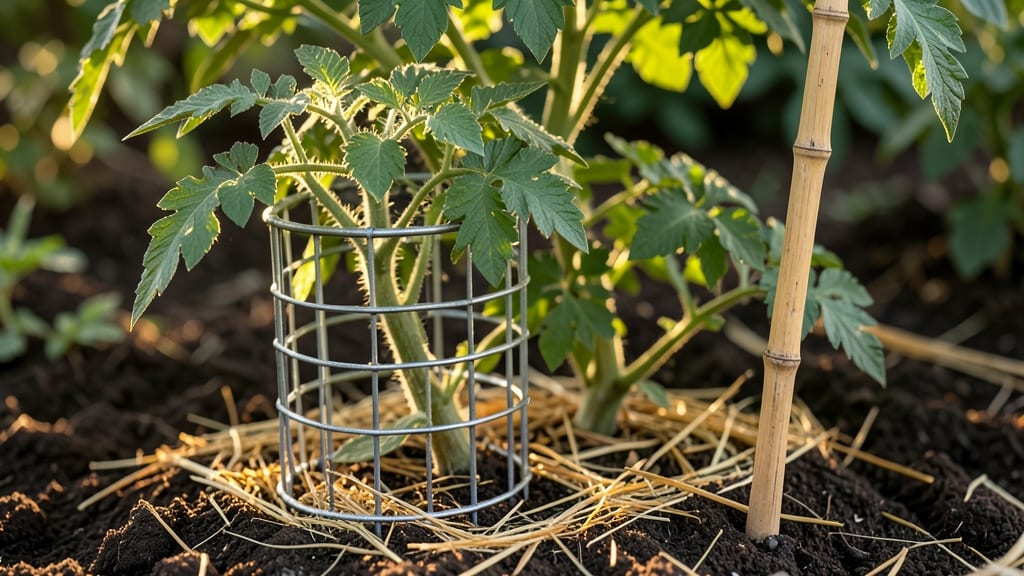
My miniature tomato cages recipe starts with a simple truth: dwarf tomatoes don’t need industrial-sized supports. 🌱 After struggling with flimsy cages that toppled at the first breeze, I designed a sturdy, space-saving system that keeps plants upright without taking over your garden bed.
The best part? It’s built from materials you likely already have lying around.
These cages work for both potted plants and in-ground varieties, making them perfect for balconies, patios, or small urban gardens. I’ve tested wire mesh, bamboo stakes, and even repurposed plant trellises—each with its own strengths.
The key is matching the cage height to your tomato variety (most dwarfs top out at 2-3 feet), ensuring stability without crowding.
Installation takes less than 10 minutes per plant: press the base into soil or secure it to a pot, then gently weave stems through the openings as they grow.
Prune suckers regularly to prevent overgrowth, and reinforce with twine if winds pick up. By midsummer, you’ll have compact, productive plants that stay upright through heavy fruit loads.
Pair these with varieties like ‘Tiny Tim,’ ‘Micro Tom,’ or ‘Patio Princess’ for guaranteed success. The right cage transforms a potential mess into a neat, high-yielding corner of your garden—no wobbling required.
What Causes Plant Instability
Even with sturdy miniature tomato cages, your compact plants may still wobble, bend, or topple—frustrating any gardener’s efforts! The root causes often boil down to a mix of environmental, structural, and growth-related factors.
Understanding these will help you troubleshoot and reinforce your plants like a pro. Let’s break down the science behind the wobble.
When seedlings or young plants struggle to anchor themselves, they lack the stability to hold up even the lightest cage. This happens because:
- Transplant shock: Roots take 1–2 weeks to adjust after being moved from seed trays or nursery pots. During this time, they’re fragile and can’t grip the soil tightly.
- Compacted soil: Heavy or clay-rich soil doesn’t allow roots to spread outward, leaving plants top-heavy. Think of it like trying to balance on a slippery surface—no matter how sturdy the cage, the base is unstable.
- Lack of mycorrhizal fungi: These natural soil helpers boost root strength, but sterile potting mixes or over-sanitized soil may lack them, weakening the plant’s grip.
Actionable fix: Gently press soil around the base of the plant after transplanting to encourage root contact. For container gardens, use a well-draining mix with perlite or vermiculite to prevent compaction.
Even a gentle breeze can turn a flimsy cage into a seesaw for your tomatoes. Wind stress is especially problematic because:
- Surface area matters: Tall, leafy plants act like sails, catching wind and creating torque. A 6-inch tomato plant might seem small, but its thin stem can’t resist even light gusts.
- Drying soil reduces friction: Dry soil loses cohesion, making it harder for roots to “grip” the pot or ground. This is why plants often topple during heatwaves or drought.
- Container movement: Pots on wheels, balconies, or decks can shift slightly with wind, compounding the instability. It’s like standing on a rocking boat—your cage is only as stable as its foundation.
Actionable fix:
- Place plants in sheltered spots (e.g., near fences or walls) to break wind.
- Use weighted pots (add gravel or sand to the bottom) or secure containers to a stable surface with non-slip mats.
- Water consistently to maintain soil moisture and root-soil adhesion.
Not all cages are created equal—and a poorly designed or improperly installed support can turn your tomatoes into a game of Jenga. Common cage-related causes include:
- Insufficient height or width: A cage that’s too short forces plants to grow sideways, weakening stems. Too narrow? Vines get cramped and can’t brace against the structure.
- Material flexibility: Cheap plastic or flimsy wire cages bend under the weight of vines or fruit, especially when wet. Think of it like a kite string—if it stretches, your plant will sag.
- Improper installation: Cages buried too shallowly or left loose in pots offer no real support. The base should be anchored to the soil or container to prevent toppling.
Actionable fix:
- Choose cages with sturdy, rigid frames (e.g., galvanized steel or thick plastic) and ensure they’re at least half the plant’s mature height.
- For containers, bury 2–3 inches of the cage into the soil or secure it with landscape fabric tied to the pot’s rim.
- Use tie-downs (soft plant ties or Velcro straps) to anchor the cage to the plant’s main stem, preventing it from swaying.
Tomatoes are prolific, but too much fruit or foliage can turn your cage into a tipping hazard. Overgrowth causes instability because:
- Uneven weight distribution: Clusters of ripe tomatoes on one side create an imbalance, similar to a teeter-totter. The stem can’t support the sudden load.
- Rapid vine growth: If vines outpace cage expansion, they’ll flop over the sides, increasing the risk of snapping or toppling.
- Succulent stems: Young, water-rich stems are flexible but weak. As they mature, they harden—but if overloaded early, they’ll buckle.
Actionable fix:
- Prune strategically: Remove some leaves or fruit to balance the plant’s weight. Aim for 3–5 main stems per cage and limit clusters to 2–3 tomatoes per truss.
- Use soft ties to weave vines through the cage in a spiral pattern, distributing weight evenly.
- Harvest early: Pick tomatoes when they’re half-ripe to reduce strain on the plant.
Pro tip: 💡 If your plant is already leaning, don’t yank it upright—this can snap stems. Instead, gently bend the stem over the cage and secure it with a tie to guide its growth straight.
How to solve it
When your compact tomato plants start leaning like a drunken sailor, it’s time to act fast! Whether your small tomato supports are failing or your plants are outgrowing their setup, these solutions will keep your garden upright and thriving.
Below, we’ve mapped common causes to practical fixes—plus prevention tips to avoid future wobbles.
If your mini tomato cages or stakes are flimsy, wind or heavy fruit can topple them like dominoes. This is especially true for bush varieties or indeterminate types with sprawling growth.
Fix It:
✅ Upgrade Your Supports
- Swap out lightweight plastic cages for heavy-duty metal or woven wire cages (like those designed for compact plants).
- For stakes, use bamboo or fiberglass (3–4 feet tall) and bury them 12–18 inches deep for stability.
- Pro Tip: 💡 For extra reinforcement, tie a horizontal string between stakes to create a "trellis net" for vining plants.
✅ Add a Windbreak
- Place a small mesh screen or even a cardboard box on the windward side to shield delicate plants.
- Quick Hack: 🌡️ Use a sturdy wooden dowel inserted diagonally into the cage for added rigidity.
Prevent It:
- Choose the right size cage—opt for 12–18 inches tall for dwarf varieties and 24+ inches for indeterminate types.
- Space plants 18–24 inches apart to avoid overcrowding, which weakens supports.
When tomatoes produce heavy fruit, the plant’s center of gravity shifts, causing it to lean or snap. This is common in cherry tomatoes or clusters of large fruit.
Fix It: ✅ Prune Strategically
- Remove suckers (the shoots between the stem and branches) to reduce weight and improve airflow.
- Step-by-Step: 1. 🔪 Use clean pruning shears to snip suckers at the base.
- 🌿 Trim overly long vines to prevent sagging.
- 🍅 Harvest early—pick tomatoes when they’re 70% ripe to lighten the load.
✅ Distribute Weight
- Weave vines through the cage in a spiral pattern (not just clustered at the top).
- Pro Tip: ✨ Stake individual branches with soft plant ties to spread the weight evenly.
Prevent It:
- Choose compact varieties like ‘Tiny Tim’ or ‘Micro Tom’ if space is limited.
- Fertilize with potassium (like banana peels or compost) to strengthen stems before fruiting.
Heavy rain, poor drainage, or root-bound plants can weaken stems, making them more prone to bending or breaking. Even mini tomato cages can’t save a plant with unstable roots!
Fix It:
✅ Improve Drainage
- Amend soil with perlite or coarse sand to prevent waterlogging.
- Raise beds slightly (even a 1-inch lip) to avoid soggy roots.
✅ Stabilize the Base
- Mound soil around the plant’s base to create a natural support collar.
- Quick Fix: 👨🍳 Mix in a handful of coffee grounds (for microbes) or crushed eggshells (for calcium) to boost root strength.
Prevent It:
- Water at the base (not overhead) to avoid stem rot and weaken stems.
- Mulch heavily with straw or wood chips to lock in moisture and prevent erosion.
If your supports are too tall, plants flop; if they’re too short, vines strangle themselves. Finding the right fit is key!
Fix It:
✅ Adjust or Replace Supports
- For tall cages: Trim excess wire (with wire cutters) to fit the plant’s mature height.
- For short cages: Stack two cages (if they’re collapsible) or add a second stake beside it.
- DIY Hack: 🔥 Bend a wire hanger into a cage shape for a custom fit (great for containers!).
✅ Use Hybrid Supports
- Combine a small cage with individual stakes for branches that need extra lift.
Prevent It:
- Check plant tags for mature height before buying cages.
- Start with adjustable supports (like expandable fabric cages) for flexibility.
If your plant is already leaning dangerously, act fast with these last-minute fixes:
- 🧶 Weave in a "sling"—use an old T-shirt strip to gently tie the plant to a sturdy post.
- ⚖️ Counterbalance—place a small rock or brick near the base to steady it.
- 🌿 Prop it up—insert a Popsicle stick horizontally between branches to redistribute weight.
- Check supports weekly for rust, sagging, or loose ties.
- Rotate cages every few days (if in containers) to prevent uneven growth.
- Train vines early—start guiding them through supports when plants are young for habit-forming.
With these fixes, your compact tomato plants will stand tall, produce bountifully, and make your garden the envy of the neighborhood! 🍅✨
Frequently asked questions
What's the ideal height for miniature tomato cages?
For dwarf varieties like 'Tiny Tim' or 'Micro Tom,' aim for 12-18 inches tall. These compact plants rarely exceed 2 feet in height, so taller cages create unnecessary wind resistance. For slightly larger varieties (up to 3 feet), choose 24-inch cages to prevent overgrowth. Always match cage height to the plant's mature size listed on seed packets.
Can I reuse old tomato cages for miniature varieties?
Cut down standard cages to 12-18 inches using wire cutters, then reinforce the base with a wooden dowel or extra wire wrapped around the bottom. For plastic cages, trim carefully to avoid sharp edges. Just ensure the diameter is wide enough (at least 12 inches) to accommodate your plant's spread without crowding.
How do I prevent miniature cages from toppling in wind?
Anchor the cage by burying 2-3 inches of the base into soil or securing it to containers with landscape fabric tied to the pot's rim. For extra stability, add a horizontal string between two cages or tie a sturdy wooden stake diagonally across the base. Place plants near fences or walls to create natural windbreaks.
What's the best material for DIY miniature tomato cages?
Galvanized wire mesh (like chicken wire) is ideal—it's durable, breathable, and easy to shape. For a rustic look, use bamboo stakes arranged in a square pattern. Avoid flimsy plastic or thin wire that bends under fruit weight. If using wire, bend it into a 12-18 inch cylinder with 4-6 inch openings for dwarf varieties.
How many tomato plants can one miniature cage support?
One cage should support 1-2 plants maximum to prevent overcrowding. For single plants, use the full cage height. If growing two plants together, choose a larger diameter cage (16+ inches) and prune aggressively to maintain airflow. Never share a cage between indeterminate varieties—they'll outgrow the space quickly.