
Plants
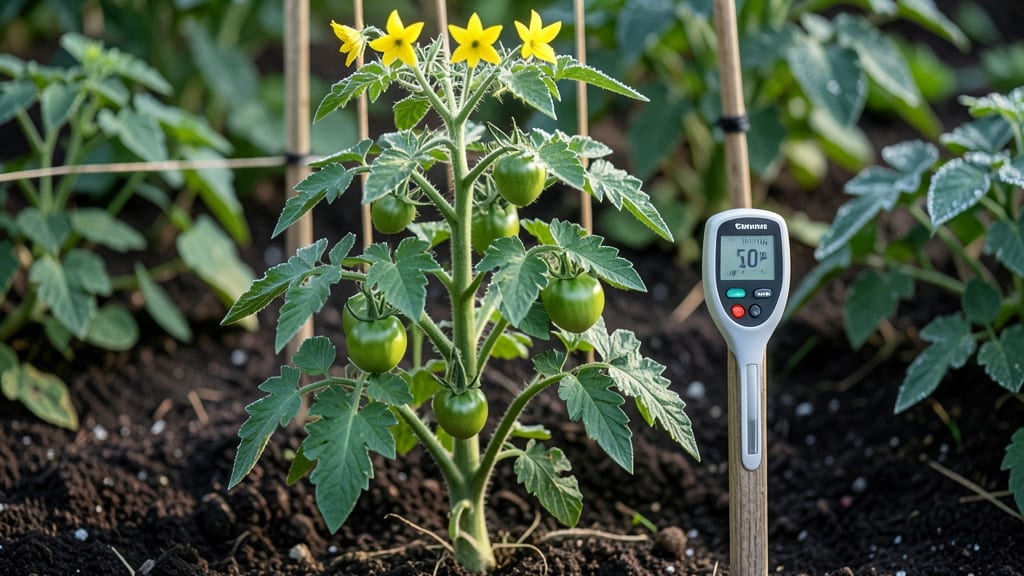
Tomato plants can survive down to the lowest temp of 32°F for short periods, but prolonged exposure to cold—even above freezing—can stunt growth or kill seedlings.
Picture this: you’ve waited all spring for those first 🍅 tomatoes, only for a late frost to turn your plants into sad, wilted sticks. It’s a heartbreaking scene, but knowing the exact cold limits for your tomatoes can help you avoid it.
From seedlings to mature plants, the cold tolerance varies—and so do the signs of stress. A few degrees too chilly can mean the difference between a thriving harvest and a total loss.
In this guide, I’ll break down the lowest safe temperatures for your tomatoes, how to spot cold damage, and the best ways to protect them—whether you’re in USDA Zone 6a or beyond.
Tomato plant cold tolerance: exact temperature limits by variety type
Tomatoes thrive in warmth, but their cold tolerance varies dramatically between determinate and indeterminate varieties. While most tomatoes struggle below 50°F (10°C), some cold-hardy types can survive brief dips into the 30s°F (1-4°C).
The key difference lies in their growth habits—determinate types (bush tomatoes) handle cold slightly better than indeterminate (vining) varieties, which prioritize vine growth over cold resistance.
Seedlings are the most vulnerable, often suffering damage at 55°F (13°C) or lower. Mature plants with established root systems can tolerate 40°F (4°C) for short periods, but prolonged exposure below 45°F (7°C) risks stunted growth, blossom drop, and poor fruit set.
Understanding these thresholds helps you choose varieties that match your climate and protect your plants during late spring or early fall chills.
Here’s a breakdown of tomato cold tolerance by variety type, including how long they can survive near-freezing conditions without permanent damage:
Determinate tomatoes like 'Stupice' can survive 32°F (0°C) for short periods thanks to their compact growth and thicker leaves, but their fruit set will suffer below 45°F (7°C). In contrast, indeterminate varieties like 'Brandywine' prioritize vine growth over cold resistance, making them more sensitive to chills. Always monitor nighttime temperatures—even a 40°F (4°C) dip can cause blossom end rot or stunted fruit development.
Cold stress manifests as yellowing leaves, wilting, or blackened stems. If your plants experience a sudden cold snap, act fast: cover them with frost blankets or move potted tomatoes to a sheltered spot.
Mulching with straw or leaves also insulates roots, helping plants recover faster. Avoid fertilizing during cold snaps—focus on watering and protection instead.
For gardeners in USDA Zones 4-6, consider cold-hardy varieties like 'Glacier' or 'Mountain Merit', which can tolerate 28°F (-2°C) for brief periods. Pair these with row covers or greenhouses to extend your growing season.
In warmer zones (Zones 7-10), indeterminate types thrive, but even they benefit from shade cloth during heatwaves or unseasonable chills.
Pro tip: Hardening off seedlings gradually exposes them to cooler temps, improving their resilience. Start by placing them outdoors for 1-2 hours in partial shade, then gradually increase exposure over 7-10 days.
This mimics natural temperature fluctuations and reduces shock when transplanting. Always harden off in morning sunlight to avoid overnight chills.
If temperatures drop below 32°F (0°C), even cold-hardy tomatoes will suffer. At this point, focus on saving the plant rather than the harvest. Prune damaged leaves, cover the plant, and resume normal care once temps rise.
In severe frost, you may need to dig up and replant affected tomatoes in a protected microclimate. With the right varieties and precautions, you can push your tomato season 2-4 weeks earlier or later than traditional schedules.
🌱
How to protect tomato plants from frost and cold snaps
Cold snaps can devastate your tomato plants, even when temperatures hover just above freezing. The lowest safe temperature for tomatoes depends on their growth stage—seedlings are far more delicate than mature plants.
Once temperatures dip below 50°F (10°C) at night, growth slows dramatically, and below 32°F (0°C), frost damage becomes inevitable. But don’t panic! With the right strategies, you can shield your plants and even extend your growing season.
My first line of defense is always preventative measures. Understanding how long your plants can survive near-freezing temps helps you act quickly. For example, young seedlings can’t tolerate temps below 45°F (7°C) for more than a few hours, while mature plants might handle brief dips to 35°F (2°C).
The key is combining physical protection with smart gardening practices to minimize stress and keep your tomatoes thriving.
Step-by-Step Guide to Protecting Tomato Plants from Cold
- 1 Use row covers for light frost protection. Lightweight fabric covers trap heat and block wind chill. Secure edges with rocks or soil to prevent gaps.
- 2 Apply thick mulch (4-6 inches) around plant bases. Straw or shredded leaves insulate roots and maintain soil warmth. Replenish mulch after heavy rains.
- 3 Set up temporary greenhouses using plastic tunnels or cold frames. Clear plastic retains heat effectively and can raise soil temps by 10-15°F (5-8°C).
- 4 Water thoroughly before cold snaps. Moist soil retains heat better than dry soil. Avoid overhead watering, which can freeze and damage leaves.
- 5 Prune damaged foliage after cold exposure. Remove blackened or wilted leaves to redirect energy to healthy growth. Sterilize pruners with rubbing alcohol.
If a hard freeze is forecasted (below 28°F (-2°C)), consider moving potted tomatoes indoors temporarily. Place them near a sunny window or under grow lights to prevent shock.
For in-ground plants, focus on insulating the base with extra mulch and covering the entire plant with a thick blanket or burlap sack secured with stakes.
After a cold snap, monitor your plants for signs of stress like yellowing leaves or stunted growth. If roots appear damaged, trim affected areas and apply a balanced fertilizer to encourage recovery. Remember, tomatoes are resilient—with the right care, they’ll bounce back and produce a bountiful harvest.
For gardeners in USDA zones 8-10, where cold snaps are less frequent, focus on season extension techniques like hoop houses or early planting. In colder zones (3-7), prioritize cold-hardy varieties like ‘Stupice’ or ‘Mountain Merit’, which tolerate brief cold exposure better than traditional varieties.
Protecting your tomato plants from frost doesn’t have to be complicated. Start with these five simple steps, and you’ll give your plants the best chance to thrive—no matter what Mother Nature throws their way. 🌱