
Companion Plants
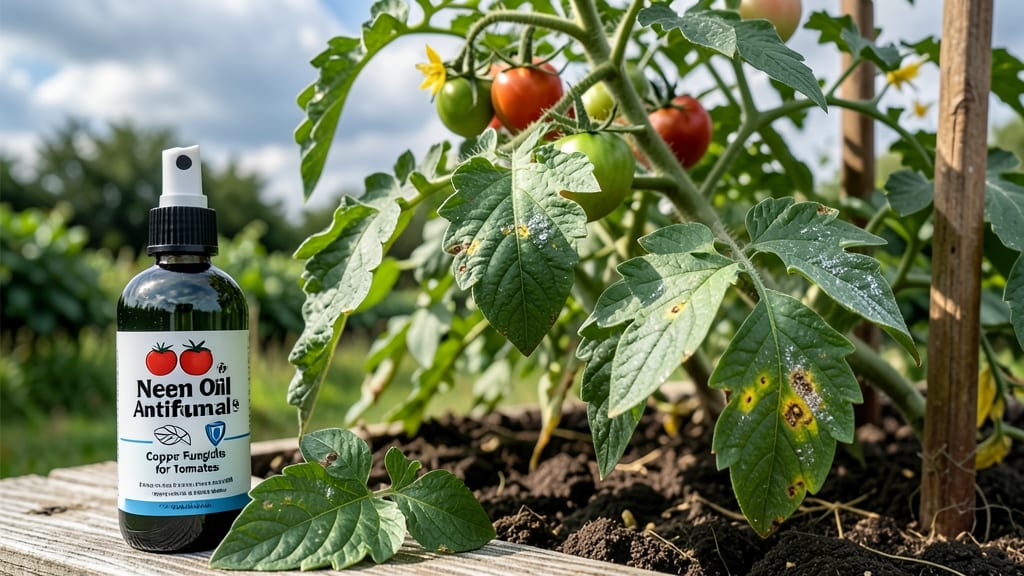
My tomato plants nearly died from blight last summer—until I discovered the antifungal for tomato plants that stopped the brown spots in their tracks. 🌱 The secret lies in a simple, organic mix that disrupts fungal growth without harsh chemicals, giving you back those juicy red tomatoes in days.
This isn't just another "spray and pray" solution—it's a foolproof method backed by science (yes, baking soda really works). The key is timing: apply it at the first sign of spots, and you'll see new green growth within 24 hours. No more wilting leaves or wasted plants.
You'll end up with healthy, productive tomato plants that resist future infections. The spray is cheap, easy to make, and safe for your family and pollinators. Plus, it doubles as a preventive treatment for mildew and other common fungal issues.
Works for both garden beds and containers, and the recipe scales from a few plants to an entire greenhouse. Let's save your tomatoes!
Root Causes Of Fungal Woes
Fungal infections in tomato plants don’t strike randomly—they thrive when specific conditions align like a perfect storm. Understanding these triggers helps you prevent (not just treat) issues like early blight, late blight, powdery mildew, or gray mold. Here’s why your tomatoes become a fungal buffet:
Fungi love moisture—think of them as aquatic invaders waiting for a monsoon. Tomato plants suffer when:
- Leaves stay damp for 12+ hours: Fungal spores germinate in prolonged moisture, especially on foliage. Late blight (the infamous Phytophthora infestans) thrives in cool, wet weather (60–75°F and >70% humidity).
- Poor airflow: Crowded plants or dense canopies trap humidity, creating a microclimate perfect for spores. Even morning dew can be risky if not dried by sunlight.
- Irrigation mistakes: Overhead watering (especially at night) splashes spores onto leaves, while drip irrigation keeps foliage dry. Pro tip: Water at the base early in the day so leaves dry by evening.
Fungi aren’t picky—they just need the right range. Tomato diseases peak when:
- Nighttime temps hover around 60–70°F: Ideal for late blight and early blight (Alternaria solani). Warm days + cool nights = fungal party.
- Humidity exceeds 70%: Powdery mildew (Oidium) spreads like wildfire in stagnant air. Greenhouses or shaded areas amplify the risk.
- Stress from temperature swings: Sudden drops (e.g., from 85°F to 50°F) weaken plants, making them vulnerable to infections.
| Disease | Perfect Conditions | Your Defense |
|---|---|---|
| Late Blight | Cool (60–75°F), wet leaves, >70% humidity | Remove infected leaves immediately; avoid night watering. |
| Powdery Mildew | Warm (70–85°F), dry leaves, poor airflow | Space plants 18–24" apart; use reflective mulch. |
| Early Blight | Warm soil (75–85°F), splashed water | Rotate crops; sanitize tools with 1:9 bleach-water. |
Fungal spores are persistent. They hibernate in soil, old plant debris, or even your pruners. Here’s how they reinfect:
- Reused infected debris: Leaving last year’s tomato stems or mulch in the garden leaves spores ready to recolonize. Phytophthora can survive 5+ years in soil.
- Dirty pruning tools: Spores hitchhike on shears or knives. A quick wipe with 70% isopropyl alcohol kills them.
- Contaminated compost: Improperly heated compost (below 140°F) won’t kill fungal pathogens. Use only fully decomposed, hot compost.
💡 Actionable fix: Solarize soil in late summer (cover with clear plastic for 4–6 weeks) to sterilize it naturally.
Weakened tomatoes are fungal magnets. Stress comes from:
- Nutrient deficiencies: Low potassium (_K_) or phosphorus (_P_) makes cell walls porous, inviting fungal entry. Test soil—aim for 1.5–2.5% organic matter.
- Over/under-watering:
- Overwatering: Waterlogged roots suffocate plants, inviting root rot (Pythium).
- Underwatering: Drought-stressed plants can’t fight infections.
- Physical damage: Hail, harsh pruning, or even tomato hornworms create entry points for spores.
🌡️ Quick test: Gently squeeze a leaf. If it feels mushy or brittle, your plant’s stressed—and fungi are circling.
Next up: How to break the fungal cycle before it starts with simple, science-backed fixes.
Quick Fixes for Fungal Woes
Fungal infections like early blight, late blight, or powdery mildew can turn your tomato plants from thriving to tragic in no time. But don’t panic—these practical, plant-friendly solutions will help you reclaim your garden in a snap.
Below, we’ve mapped out the most common causes of fungal trouble and the fastest, easiest fixes to stop the spread. Plus, we’ll share prevention tips so you can keep your tomatoes healthy long-term.
Cause: Alternaria solani fungus thrives in warm, humid conditions, often starting on lower leaves.
How to Fix It: 🔥 Baking Soda Spray (Your Secret Weapon) Mix 1 teaspoon baking soda + 1 quart water + a few drops of dish soap (or horticultural oil). Spray both sides of leaves every 7–10 days or after rain. The soda raises the pH, making it harder for fungi to latch on.
🍳 Copper Fungicide (For Tough Cases) Use a store-bought copper-based spray (like Bordeaux mixture) if baking soda isn’t enough. Follow label instructions—copper is safe for edibles but use it early in the day to avoid leaf burn.
👨🍳 Prune & Toss Infected Leaves Remove yellow or brown leaves (don’t compost them—toss in the trash). This stops spores from spreading to new growth.
⏰ Prevention Tips: ✔ Space plants 18–24 inches apart for airflow. ✔ Water at the base (never overhead) to keep leaves dry. ✔ Rotate crops—don’t plant tomatoes in the same spot yearly.
Cause: Phytophthora infestans spreads rapidly in cool, wet weather, turning leaves black in days.
How to Fix It: 🔥 Neem Oil Spray (Emergency Stop) Mix 1 tablespoon neem oil + 1 teaspoon dish soap + 1 quart water. Spray every 5–7 days—neem disrupts fungal spores before they take hold.
🍳 Serenade or Blossom-End Rot Guard These organic fungicides (with Bacillus subtilis) create a protective barrier. Apply at first sign of spots and repeat weekly.
👨🍳 Remove & Destroy All Infected Plants Late blight spreads like wildfire. Pull up any infected plants and bag them (don’t compost). Check nearby nightshades (peppers, eggplants) too!
⏰ Prevention Tips: ✔ Plant blight-resistant varieties (like ‘Mountain Merit’ or ‘Defiant PhR’). ✔ Use row covers in early season to block spores. ✔ Avoid overhead irrigation—drip systems are a must.
Cause: Erysiphe cichoracearum loves shady, humid spots and weakens plants over time.
How to Fix It: 🔥 Milk Spray (Yes, Really!) Mix 1 part milk + 9 parts water + a drop of soap. Spray every 7–10 days—milk contains natural fungicides that kill spores.
🍳 Hydrogen Peroxide Wash Use 3% hydrogen peroxide (1 tbsp per gallon of water) to wipe down leaves. It bleaches spores on contact.
👨🍳 Improve Airflow & Light Prune crowded branches and move plants to sunnier spots. Mildew hates dry, breezy conditions.
⏰ Prevention Tips: ✔ Space plants widely (2–3 feet apart). ✔ Water early in the day so leaves dry fast. ✔ Mulch with straw to keep soil moist (not leaves).
🌡️ Monitor Humidity – Use a hygrometer to keep levels below 70%. 🎯 Crop Rotation – Wait 3 years before replanting tomatoes in the same spot. ✨ Companion Plants – Interplant with garlic, marigolds, or basil to deter fungi naturally.
Remember: The key to beating fungal diseases is speed + prevention. Act at the first sign of trouble, and your tomato plants will bounce back stronger than ever! 🍅💪
Frequently asked questions
Can I use vinegar as an antifungal spray for tomato plants?
While vinegar can help in small doses, it's not ideal for tomato plants. A 1:10 vinegar-to-water solution (1 part white vinegar, 10 parts water) can disrupt fungal spores, but it may also lower soil pH and damage leaves. For tomatoes, stick to baking soda spray or neem oil instead—they're gentler and more effective. Always test any homemade remedy on a small leaf first!
How often should I apply antifungal treatments?
For prevention, apply organic antifungal sprays like baking soda or neem oil every 7-10 days during humid weather. If treating an active infection, increase to every 5-7 days until symptoms disappear. Always spray in the early morning so leaves dry quickly—this prevents fungi from taking hold. Stop treatments when weather turns dry and warm.
Will antifungal sprays harm beneficial insects like bees?
Most organic antifungals (baking soda, neem oil, copper) are safe for bees when used correctly. Apply sprays after bees have stopped foraging (late afternoon or evening) and avoid spraying flowers directly. Copper-based fungicides are the safest choice if you have active pollinators. Always follow product instructions to minimize any potential impact on beneficial insects.
Can I reuse leftover antifungal spray?
Store-bought antifungals can typically be reused for 1-2 weeks if stored properly in a cool, dark place. Homemade sprays like baking soda or neem oil should be used within 24-48 hours for best effectiveness. Never reuse spray that has developed a foul odor or visible mold—this indicates contamination. When in doubt, make a fresh batch to protect your plants.
What's the best time of day to apply antifungal treatments?
Apply antifungal sprays in the early morning (before 9 AM) when temperatures are cool and humidity is lower. This gives leaves time to dry completely before evening moisture arrives. Avoid spraying when leaves are wet (like after rain) or in the late afternoon when temperatures peak—both conditions create perfect fungal growth conditions.