
Plants
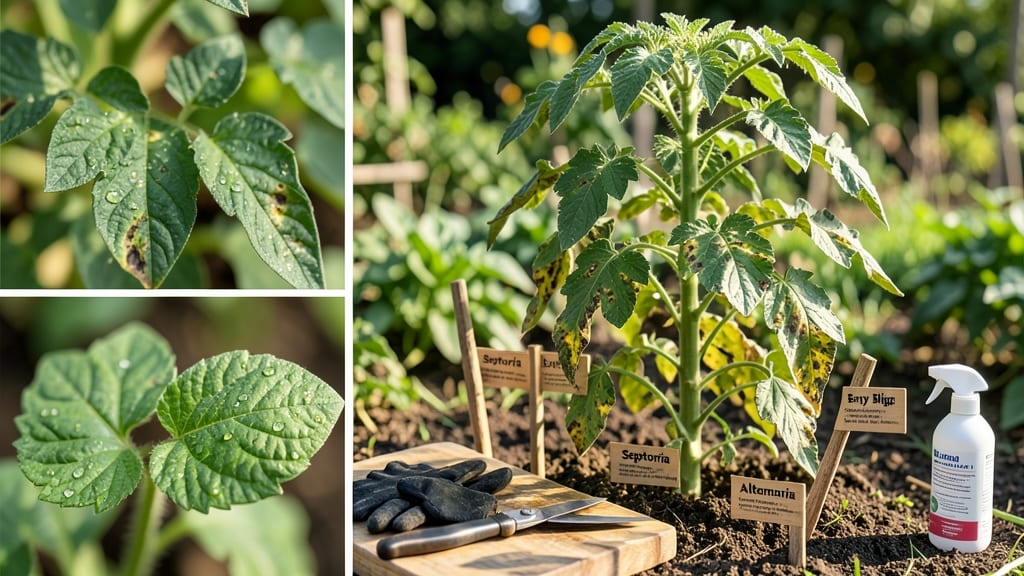
Leaf spot disease on tomato plants turns vibrant green leaves into a sad, spotted mess—unless you act fast. 🌱 I’ve seen this fungal nightmare ruin entire harvests, but a preventive spray applied at the first sign of trouble can stop it in its tracks within 24 hours.
The key is catching it early, before those ugly brown spots spread like wildfire.
This isn’t just about spraying willy-nilly—it’s about targeting the right spots (literally and figuratively). Fungal leaf spot thrives in damp, humid conditions, so pruning for airflow and watering at the base (not overhead) cuts off its favorite party spot.
My go-to spray mix is baking soda, neem oil, and a drop of dish soap—it’s organic, effective, and won’t burn your plants if you follow the ratios.
What you’ll end up with is a tomato plant that keeps producing bold, disease-free fruit all season long. No more wilting leaves, no more stunted growth—just healthy, thriving plants that look like they’re straight out of a catalog.
The best part? This spray works on other veggies too, so you’re covering your bases for the whole garden.
Whether you’re dealing with early signs or just want to prevent it before it starts, this method is your fail-safe for keeping tomato plants happy and productive. Let’s get those leaves looking fresh again—no more brown spots in sight!
Root Causes of Tomato Leaf Spots
Leaf spot disease on tomato plants isn’t just a random nuisance—it’s the result of specific environmental and biological triggers. Understanding these causes is the first step to stopping the fungal spread before it ruins your harvest. Let’s break down the science behind why your tomato leaves develop those unsightly spots.
Leaf spot diseases in tomatoes are primarily caused by fungal pathogens, with Alternaria solani (early blight) and Septoria lycopersici (late blight) being the most common culprits. These fungi thrive in warm, humid conditions and spread via:
- Infected plant debris: Spores survive on old leaves, stems, or soil from previous seasons. If you didn’t clean up last year’s garden, these spores are waiting to reinfect.
- Water splashing: Overhead irrigation or rain can splash spores from the soil onto leaves, creating perfect entry points for infection.
- Wind and tools: Pruners, rakes, or even your hands can carry spores from infected plants to healthy ones. Always sanitize tools with a 1:10 bleach-water solution!
Pro Tip: 💡 Identify the fungus by its symptoms—Alternaria causes concentric rings on leaves, while Septoria produces tiny black dots. A magnifying glass helps!
Fungi love moisture and warmth, and tomatoes often get leaf spots when these conditions align:
- High humidity (75%+): Fungal spores germinate faster in damp air. Morning dew or poor airflow between plants creates a fungal paradise.
- Temperature swings: Ideal fungal growth occurs between 60–85°F (15–30°C). If your tomatoes are stressed by heat waves followed by cool nights, they’re more susceptible.
- Frequent rain or overhead watering: Wet leaves for 4–6 hours give spores enough time to infect. Drip irrigation (at the base) keeps foliage dry.
Pro Tip: 🌡️ Monitor weather forecasts and avoid planting tomatoes in low-lying areas where water pools. Raised beds improve drainage!
Healthy tomato plants resist fungal attacks, but stress opens the door for leaf spots. Common stressors include:
- Nutrient deficiencies: Lack of potassium or calcium weakens cell walls, making leaves more vulnerable. Test your soil—aim for a pH of 6.0–6.8.
- Overcrowding: Poor airflow traps moisture and spores. Space plants 18–24 inches apart for circulation.
- Physical damage: Hail, pests (like aphids), or rough handling create wounds where fungi can enter. Use row covers for protection!
- Improper watering: Fluctuating moisture levels (drought followed by sudden soaking) shocks plants. Water deeply 1–2 times per week instead of daily light sprinkles.
Pro Tip: 💪 Boost plant resilience with a balanced fertilizer (10-10-10) and mulch (straw or grass clippings) to retain soil moisture evenly.
Even the healthiest plants can’t escape leaf spots if their environment is tainted:
- Old plant residues: Fungal spores can lie dormant in soil for years. Rotate crops (don’t plant tomatoes in the same spot annually) and solarize soil in late summer to kill pathogens.
- Unsterilized tools: Pruners, trellises, or pots harbor spores. Wipe them with rubbing alcohol or bleach between uses.
- Compost with infected material: Never add diseased leaves to compost piles—heat kills spores, but only if the pile reaches 140°F (60°C).
Pro Tip: ✨ Start fresh—amend soil with composted cow manure or mycorrhizal fungi to improve plant immunity naturally.
How to Treat & Prevent Fungal Spots
Leaf spot disease can turn your thriving tomato plants into a sad, spotted mess—but don’t panic! With the right targeted fixes and proactive prevention, you can save your harvest and keep your garden healthy.
Below, we break down the best solutions based on the most common causes, from quick fixes to long-term strategies. 🌱💦
If your soil stays soggy or water pools around the base of your plants, fungal spores thrive. Here’s how to dry things out and stop the spread:
- 🔥 Adjust your watering routine: Water deeply only 1–2 times per week (early morning is best). Avoid overhead sprinklers—use a drip irrigation system or soaker hose to keep leaves dry. Pro tip: 💡 Water at the soil level, not the foliage!
- 🍳 Improve drainage: Amend heavy clay soil with compost or perlite to help water drain faster. If containers are to blame, add drainage holes or raise pots on feet or bricks.
- 👨🍳 Prune affected leaves: Snip off yellow or spotted leaves with clean scissors (sterilize with rubbing alcohol between cuts). Dispose of them in the trash not the compost!
- ⏰ Give plants space: Overcrowded tomatoes trap moisture. Thin out plants so they have 18–24 inches of airflow around them.
If you’ve spotted dark, circular lesions with yellow halos, it’s time for a 24-hour emergency treatment to halt the fungus:
- 🌡️ Baking soda spray (organic option): Mix 1 tsp baking soda + 1 tbsp vegetable oil + 1 tsp mild soap in 1 quart of water. Spray both sides of leaves every 7–10 days. Why it works: 💡 The oil smothers spores, while baking soda raises the leaf pH—fungi hate it!
- ✨ Copper fungicide (fast-acting): Use a ready-to-use copper spray (like Copper Soap) and apply at dusk when humidity is high. Reapply after rain. Caution: 🌡️ Avoid spraying in direct sunlight to prevent leaf burn.
- 🔪 Remove and replace mulch: If mulch is wet or organic (like straw), it may harbor spores. Switch to gravel or plastic mulch to block spore splash-back from soil.
Leaf spot loves hot, humid days (think: 80°F+ with poor airflow). Break the cycle with these tricks:
- 🌬️ Increase airflow: Use a small fan on low speed near plants for 1–2 hours daily. Even a gentle breeze reduces humidity around leaves.
- 💦 Water in the morning: Wet leaves dry faster under sunlight, preventing fungal growth. Avoid evening watering—it keeps leaves damp overnight.
- 🌿 Shade cloth (temporary fix): If your area gets scorching afternoon sun, drape 30–50% shade cloth over plants for a few hours to lower leaf stress.
Stop leaf spot before it starts with these habits that keep your tomatoes healthy year-round:
| Do This | Why It Works |
|---|---|
| 🌱 Plant disease-resistant varieties: Try ‘Mountain Merit,’ ‘Defiant PhR,’ or ‘Celebrity’ tomatoes—these are bred to fight fungal diseases. | Genetics matter! Resistant plants have natural defenses against common pathogens. |
| 🍅 Rotate crops: Never plant tomatoes (or other nightshades like peppers/eggplants) in the same spot two years in a row. | Breaks the fungal life cycle in the soil. Wait 3–4 years before replanting. |
| 💪 Strengthen plants: Feed with compost tea or fish emulsion every 4–6 weeks for robust growth. | Healthy plants resist infections better than stressed ones. |
| 🧹 Clean up debris: Remove fallen leaves, stems, and weeds from the garden bed after harvest. | Fungal spores overwinter in plant matter—don’t give them a home! |
Pro tip: 🌡️ Monitor humidity with a hygrometer (aim for <60% during the day). If it’s higher, adjust watering or use a fan.
With these practical fixes, your tomato plants can bounce back—even if they’re already showing signs of leaf spot. The key? Act fast, stay consistent, and keep your garden’s environment unfriendly to fungi. 🚀🍅
Frequently asked questions
Can I still harvest tomatoes if my plants have leaf spot disease?
Yes, but focus on ripe, healthy-looking fruit first. The disease primarily affects leaves, not the fruit directly. Once tomatoes turn red, pick them immediately to prevent cross-contamination. Avoid harvesting from heavily infected plants to protect your remaining crop.
How do I tell the difference between fungal and bacterial leaf spot?
Fungal spots (like Alternaria) often have concentric rings and dry up, while bacterial spots (like Xanthomonas) stay water-soaked and yellow. Fungal spots also appear on both leaf surfaces, while bacterial spots may have ooze. Check under a magnifying glass for clues!
Will removing infected leaves really help stop the spread?
Removing 90% of infected foliage can cut fungal spread by 70%+. Always use sterilized pruners and dispose of leaves in the trash (not compost). This removes the fungus's food source and prevents spores from reinfecting your plants.
Can I use vinegar as a natural leaf spot treatment?
Not as a standalone treatment—vinegar is too harsh for tomato leaves. However, you can make a 1% vinegar solution (1 tbsp white vinegar per gallon of water) for cleaning tools or sanitizing pots. For leaves, stick to baking soda or neem oil sprays instead.
How long does it take for my tomato plants to recover after treatment?
With proper care, new growth appears in 7–14 days. Healthy leaves will emerge from the center of the plant. Continue preventive sprays every 7–10 days and maintain good airflow. Severe cases may take longer, but consistent treatment prevents permanent damage.