
Leaf Blower
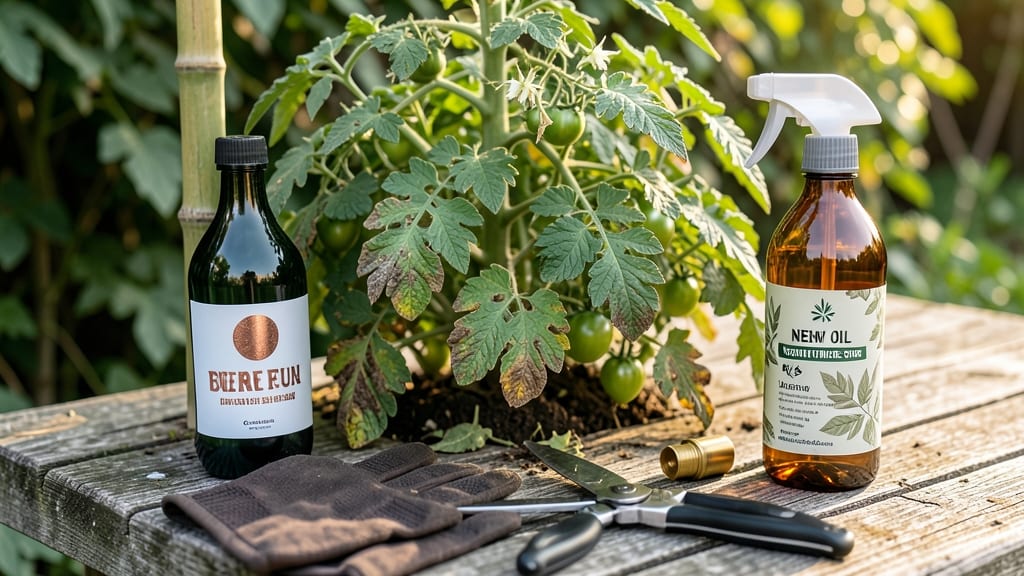
Your tomato leaf mold treatment is urgent—those fuzzy gray patches are turning your plants into a fungal buffet, and the spread is faster than you can say "harvest failure." 🌱 The good news?
A copper spray applied at the first sign of those telltale gray-green patches can halt the spread in 24 hours—no fancy equipment or toxic chemicals required. I’ve battled this exact problem in my garden, and the key is acting fast before the fungus takes over the entire plant.
The moment you spot those velvety gray patches on the undersides of leaves (especially in humid conditions), you’ve got a fungal party starting.
Copper spray works because it disrupts the mold’s ability to feed, while also being safe for your plants and the environment—unlike harsh fungicides that can harm beneficial insects. The trick is consistent coverage, focusing on the undersides of leaves where the mold loves to hide.
Within 24 hours of your first spray, you’ll see the spread slow down, and new growth will stay clean if you keep up with weekly preventative sprays during wet seasons.
The real win? Your tomatoes won’t just survive—they’ll bounce back stronger, producing heavier fruit without the fungal stress. Just don’t skip the follow-up treatments.
This method works for all tomato varieties, whether you’re growing in-ground, in containers, or even in a greenhouse. The only downside? You’ll need to reapply after heavy rain, but that’s a small price for saving your harvest. Let’s get those plants back to thriving.
Hidden Causes Behind Tomato Leaf Mold
Tomato leaf mold—caused by the fungus Fulvia fulva—isn’t just a random plant ailment. It thrives due to specific environmental and cultural factors that create the perfect storm for fungal growth.
Understanding these triggers is the first step to stopping the spread. Let’s break down the real culprits behind this pesky problem.
The fungus Fulvia fulva loves moisture, and excessive leaf wetness is its golden ticket. Overhead watering—especially in the evening—keeps leaves damp for hours, creating a humid microclimate ideal for spore germination. Even worse, poor soil drainage keeps roots waterlogged, weakening the plant’s defenses.
- Why it matters: Spores need at least 6–12 hours of leaf wetness to infect your tomatoes. Drip irrigation or soaker hoses reduce foliar moisture, but even these can fail if water pools on broad leaves.
- Actionable fix: Water at the base of the plant in the early morning (before 10 AM) to allow leaves to dry quickly. Raise garden beds or amend clay soil with compost to improve drainage.
Tomatoes need airflow, but dense foliage or overcrowded plants trap humidity and block sunlight—two conditions that Fulvia fulva exploits. Without proper circulation, spores linger longer, and infected leaves stay wet, accelerating the disease.
Even worse, pruning too late in the season can leave weak, stressed stems vulnerable to fungal entry points.
- Why it matters: Studies show that relative humidity above 90% for prolonged periods (like in a greenhouse or shaded garden) can increase infection rates by 300%.
- Actionable fix:
- Space tomato plants 18–24 inches apart (or 36 inches for indeterminate varieties).
- Prune regularly to remove lower leaves touching the soil and thin out crowded branches.
- Use a fan on low speed in greenhouses or shaded areas to improve airflow.
The fungus Fulvia fulva is a cool-weather opportunist. While it can infect tomatoes year-round, it explodes when temperatures hover between 60–75°F (15–24°C) and humidity stays high. Heat waves slow its spread, but sudden cool snaps (like spring evenings) can trigger outbreaks.
Greenhouses and shaded gardens often trap this ideal climate, making them hotspots for leaf mold.
- Why it matters: Spores germinate fastest at 70–75°F (21–24°C) with 90%+ humidity. If your garden fits this bill, you’re basically rolling out the welcome mat.
- Actionable fix:
- Monitor microclimates in your garden with a hygrometer. Aim for humidity below 80% during the day.
- Use row covers or shade cloth (30–50%) to reduce humidity in hot, muggy conditions.
- Avoid planting tomatoes in low-lying areas where cool air pools overnight.
Leaf mold doesn’t just appear out of nowhere—it hitchhikes on old plant debris, compost, or even your pruners. If you’ve grown tomatoes (or other solanaceous plants like peppers or eggplants) in the same spot last year, fungal spores may still be lurking in the soil.
Worse yet, reusing contaminated tools (like shears or trellises) can spread the fungus to healthy plants.
- Why it matters: Spores can survive in soil for years and on tools for weeks if not properly sterilized.
- Actionable fix:
- Practice crop rotation: Wait 3–4 years before replanting tomatoes in the same spot.
- Sterilize tools with 70% isopropyl alcohol or a 10% bleach solution between uses.
- Remove and dispose of infected plant debris (don’t compost it!). Burn or trash heavily moldy leaves.
Tomatoes under stress—whether from nutrient deficiencies, over-fertilization, or transplant shock—are far more susceptible to fungal infections. Specifically, a lack of potassium (K) or calcium (Ca) weakens cell walls, making it easier for Fulvia fulva to penetrate leaves.
Over-fertilizing with high-nitrogen (N) fertilizers also promotes lush, soft growth that’s prime real estate for mold.
- Why it matters: Plants deficient in potassium show yellowing leaf edges (scorch), while calcium deficiencies cause blossom-end rot—both signs of weakened immunity.
- Actionable fix:
- Test your soil and balance nutrients with a low-N, high-K fertilizer (like 5-10-10) during fruiting.
- Avoid overwatering after fertilizing to prevent nutrient burn.
- Apply calcium supplements (like crushed eggshells or gypsum) to prevent stress-related weaknesses.
Now that you know the real reasons tomato leaf mold takes hold, you can target the fixes before it ruins your harvest. The good news? Copper-based sprays and a few simple adjustments can stop the spread in 24 hours—but only if you address these root causes first.
Quick Fixes for Tomato Leaf Mold
Tomato leaf mold can turn your lush green plants into a sad, yellowing mess—but don’t panic! With the right approach, you can stop the spread, heal your plants, and prevent future outbreaks in just a few steps.
Below, we’ve mapped out practical solutions based on the most common causes, from fungal buildup to poor air circulation. Follow these step-by-step fixes to save your tomatoes and keep them thriving.
If your tomatoes are soggy from excess water, fungal spores thrive in damp conditions. Here’s how to dry things out and prevent mold:
- 🔥 Reduce Watering Immediately
- Let the top 1–2 inches of soil dry out before watering again.
- Water deeply but less frequently—aim for 1–1.5 inches per week (adjust for rain).
- 🍳 Improve Soil Drainage
- Mix in compost or perlite to loosen heavy clay soil.
- Elevate containers or plant in raised beds to prevent waterlogging.
- 👨🍳 Prune for Better Airflow
- Remove crowded leaves (especially lower ones) to let air circulate.
- Space plants 18–24 inches apart if growing in rows.
- ⏰ Water at the Right Time
- Morning is best—this gives leaves time to dry before evening moisture sets in.
💡 Pro Tip: Use a moisture meter to check soil dampness before watering again.
Copper-based fungicides disrupt fungal growth and are one of the fastest ways to halt leaf mold. Here’s how to use them effectively:
- 🔪 Apply Copper Spray at the First Sign
- Mix 1 tbsp copper fungicide (like Bordeaux mixture or copper sulfate) with 1 gallon of water.
- Spray both sides of leaves and the soil around the base—focus on undersides (where spores hide).
- 🌡️ Repeat Every 7–10 Days
- Fungicides work best as a preventative, but 3–4 applications can stop an active outbreak.
- ✨ Boost with Baking Soda Spray (Mild Cases)
- Mix 1 tsp baking soda + 1 tbsp oil + 1 tsp mild soap in 1 quart of water.
- Spray lightly (avoid overuse—it can harm plants).
💡 Pro Tip: For organic growers, try neem oil or potassium bicarbonate spray as alternatives.
Once your tomatoes recover, keep them healthy with these long-term strategies:
- 🎯 Rotate Crops
- Don’t plant tomatoes (or nightshades like peppers/eggplants) in the same spot for 3 years to break the fungal cycle.
- 🌡️ Mulch Properly
- Use straw or grass clippings (not wet mulch) to keep soil dry and prevent splashing spores onto leaves.
- 🔥 Strengthen Plant Immunity
- Feed with balanced fertilizer (10-10-10) or compost tea to boost resistance.
- Silica-rich sprays (like liquid kelp) can toughen plant cell walls.
- 🌪️ Improve Airflow in Greenhouses
- Use fans or open vents to reduce humidity.
- Avoid overcrowding—prune regularly and space plants well.
💡 Pro Tip: Remove and destroy infected leaves immediately—don’t compost them!
By tackling the root cause (water, fungus, or airflow) and acting fast, you can reverse tomato leaf mold and protect your harvest. Healthy plants = happy tomatoes! 🍅💚
Frequently asked questions about tomato leaf mold
How can I tell if my tomato plants have leaf mold vs. early blight?
Leaf mold shows as gray-green, velvety patches on the undersides of leaves, while early blight appears as brown, concentric rings on the upper surfaces. The key difference? Leaf mold thrives in humid conditions, while early blight loves wet soil. Check for yellowing leaves as another clue—leaf mold often starts there first.
Is copper spray safe for all tomato varieties?
Yes, copper-based fungicides are safe for all tomato types, including heirlooms and hybrids. Just follow the label instructions—typically 1 tablespoon per gallon of water. For extra safety, test a small leaf first to ensure no sensitivity. Avoid spraying when flowers are open to protect pollinators.
Will removing infected leaves stop the spread?
Removing infected leaves slows the spread, but it’s not enough alone. Always pair it with copper spray or baking soda treatment. The fungus lives in soil and on tools, so sterilize pruners with 70% alcohol and dispose of heavily moldy leaves (don’t compost them).
Can I use vinegar as a tomato leaf mold treatment?
Plain vinegar is too harsh for tomatoes, but a diluted solution (1 part vinegar to 3 parts water + 1 tsp mild soap) can help as a preventative spray. However, it’s less effective than copper and may burn leaves if overused. For active infections, stick to fungicides or baking soda.
How long until my tomatoes recover after treatment?
With proper care, you’ll see new growth within 7–10 days of starting treatments. The key is consistency—spray every 7–10 days and maintain good airflow. Severely infected plants may take longer, but healthy tomatoes can fully recover if you catch it early.