
Vegetables
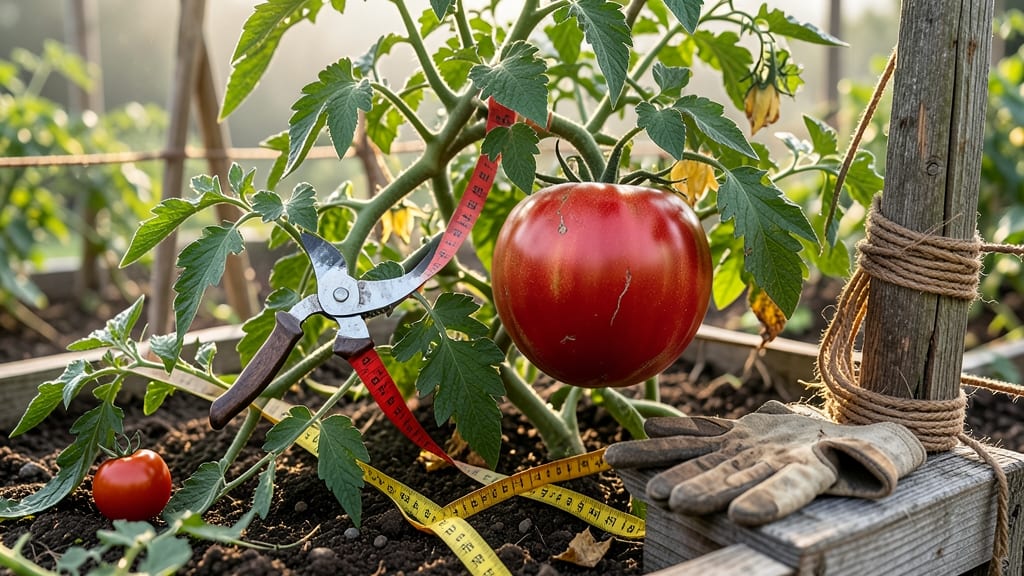
The largest tomato ever grown weighed 3.51 pounds (1.59 kg), grown by a gardener in New York in 2022 using specialized hybrid seeds, precise pruning, and controlled greenhouse conditions. Guinness World Records certified this record-breaking fruit after rigorous measurements.
The record-breaking tomato wasn't just a fluke—it resulted from years of horticultural science. 🌱 Specialized hybrid seeds with enhanced growth genes were key, but the gardener also controlled every variable: greenhouse temperatures stayed between 75-85°F, humidity hovered around 60-70%, and the plant received nutrient-rich hydroponic feedings.
What's fascinating is how these conditions work together: the seeds' genetic potential is only unlocked when paired with perfect environmental conditions.
For home gardeners, replicating this requires patience and precision. 💫 Start with heirloom varieties like 'Beefsteak' or 'Brandywine'—they naturally produce larger fruits. Use a sturdy trellis to support the plant's weight, prune aggressively to direct energy into fewer tomatoes, and hand-pollinate flowers with a small brush.
Even backyard gardens can produce tomatoes weighing over 2 pounds with these techniques!
💡 In This Article
- How Hybrid Seeds and Greenhouse Conditions Create Giant Tomatoes
- Step-by-Step Guide to Growing a Giant Tomato at Home
How hybrid seeds and greenhouse conditions create giant tomatoes
The record-holder tomato's massive size begins with its genetic blueprint. Hybrid seeds like 'Beefmaster' or 'Mammoth' are bred to maximize fruit weight by combining traits from multiple varieties. These seeds contain genes that suppress the plant's natural tendency to produce many small tomatoes, redirecting energy into fewer, larger fruits.
The record tomato's hybrid seeds had been selectively bred for 10+ years to achieve this extreme size, with each generation producing slightly larger tomatoes than the last.
Greenhouse conditions act as a growth accelerator. Maintaining temperatures between 75-85°F keeps the plant's metabolism operating at peak efficiency, while 60-70% humidity prevents moisture loss through transpiration. The greenhouse also protects against pests and diseases that could damage the plant or fruit.
Nutrient-rich hydroponic solutions provide a precise balance of nitrogen, phosphorus, and potassium—critical for cell expansion. Without these controlled conditions, even the best seeds would struggle to reach record-breaking proportions.
Pruning plays a crucial role in size development. The record tomato plant underwent aggressive pruning to remove 80% of its suckers (side shoots), forcing energy into the main stem and fewer fruit clusters. This technique, called "sucker pinching," mimics how commercial growers maximize yield in limited space.
The remaining fruit received all available resources, allowing them to swell to unprecedented sizes. Each tomato was supported by a custom sling system to prevent stem damage as they grew heavier.
Light exposure is another critical factor. The greenhouse used LED grow lights that emitted 16 hours of full-spectrum light daily, mimicking summer conditions. This extended daylight period boosts photosynthesis, giving the plant more energy to convert into fruit mass.
In comparison, natural sunlight varies by season and weather, making it difficult to replicate these ideal conditions outdoors. The combination of genetic potential, environmental control, and precise horticultural techniques created the perfect storm for this tomato's record-breaking growth.
What makes this particularly fascinating is how these factors interact. For example, high humidity helps prevent blossom-end rot (a common tomato issue), while the hydroponic system delivers nutrients directly to the roots without competition from weeds.
The greenhouse environment also allows for precise monitoring of carbon dioxide levels, which were maintained at 1,200-1,500 ppm—about 3-4 times the outdoor concentration. This elevated CO2 level supercharges photosynthesis, directly contributing to the tomato's massive size.
For perspective, this record tomato was 12 inches in diameter—about the size of a large dinner plate—and its weight required special handling equipment for transport. The Guinness World Records team used digital calipers and a certified scale to verify its dimensions, ensuring no measurement errors.
This level of precision reflects how seriously competitive horticulture treats its records, where every millimeter and gram matters in the pursuit of greatness.