
How To
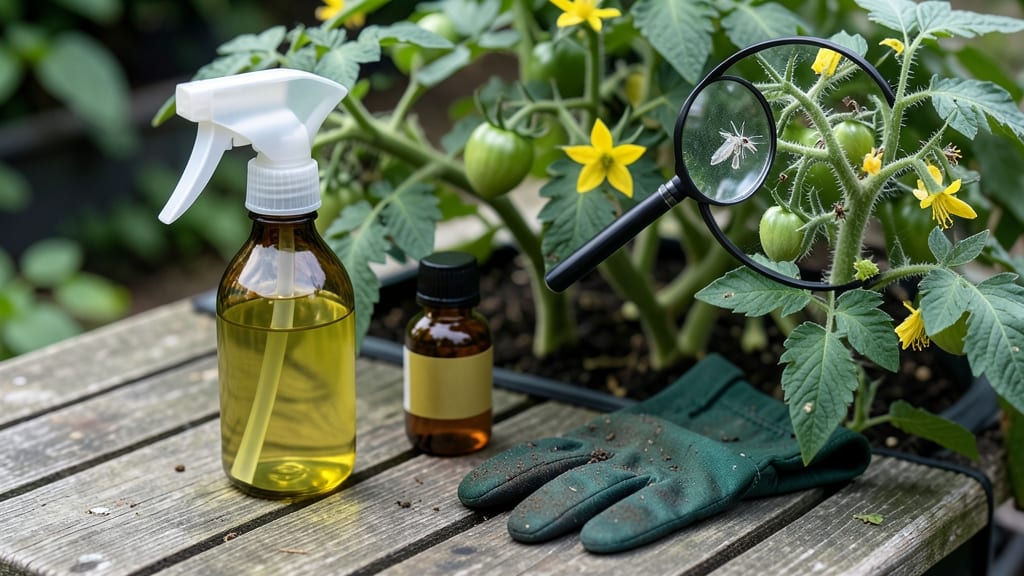
How to use neem oil on tomato plants saves mine from aphids and blight every summer. 🌱 The key is mixing it right—1 teaspoon of pure neem oil per quart of water with a drop of dish soap as an emulsifier. Apply it when pests are active but before rain, and your plants stay protected without harsh chemicals.
For best results, spray in the early morning or evening when temperatures are below 85°F. This organic defense works against aphids, whiteflies, and early signs of powdery mildew, but avoid overapplying—too much can stress your plants. Reapply every 7-14 days or after heavy rain for continuous protection.
📚 In This Guide
- What you need
- Instructions
- Tips and common mistakes
- Wrapping up and next steps
What you need
- ● Pure, cold-pressed neem oil – 1–2 tablespoons per gallon of water (look for 100% organic, cold-pressed neem oil with no additives). 16–32 oz bottle should suffice for small to medium gardens.
- ● Water – 1 gallon (3.8 liters) per application (use lukewarm or room-temperature water to help the oil emulsify better).
- ● Dish soap or horticultural oil emulsifier – ½ teaspoon per gallon (helps the oil mix with water; Castile soap or a mild liquid dish soap works well).
- ● Spray bottle or garden sprayer – 1–2 quart capacity (a hose-end sprayer is ideal for larger gardens).
- ● Protective gear – Gloves (nitrile or rubber), safety goggles, and a long-sleeved shirt/pants (neem oil can irritate skin and eyes).
- ● Tomato plants – Healthy, pest-free plants (or those already showing signs of infestation).
- ● Spray nozzle with fine mist setting – Ensures even coverage without clogging leaves.
- ● pH test kit – To check water pH (6.0–7.0 is ideal) for better neem oil effectiveness.
- ● Fan or gentle breeze setup – Helps dry leaves faster after spraying (reduces risk of fungal issues).
- ● Label or marker – To tag treated plants and track application dates.
- ○ Second sprayer for rinsing – If you want to rinse plants after 12–24 hours (optional but recommended for some gardeners).
Step-by-step guide for treating tomato plants with neem oil
Here's my go-to method for applying neem oil effectively—it's saved my tomato plants from pests and blight season after season.
🌿 Step 1: Choose the Right Time for Application
Apply neem oil in the early morning or late afternoon when temperatures are below 90°F—heat breaks down the active ingredients and can burn leaves. I always check the forecast first; if rain is predicted within 24 hours, wait to treat. Wet leaves dilute the oil's effectiveness, and you'll need to reapply.
Start when you first notice pests like aphids, whiteflies, or early signs of fungal spots. Don't wait until plants are heavily infested—neem oil works best as a preventive measure. I treat my tomatoes every 7-10 days during peak pest seasons (spring to early fall) to keep problems at bay.
💧 Step 2: Mix Neem Oil Properly for Maximum Effect
Use 1 tablespoon of neem oil per quart of water—this concentration is strong enough to deter pests but gentle enough for tomato plants. Add ½ teaspoon of mild liquid soap (like Castile soap) to help the oil stick to leaves. Stir well until fully combined; I use a whisk or small paint stirrer to avoid bubbles.
I like to make a small batch (about 1 gallon) at a time since neem oil loses potency after mixing. Store any leftover solution in a dark glass bottle in the fridge for up to 5 days. Never use plastic containers—neem oil can degrade them over time.
☀️ Step 3: Apply Evenly to All Plant Surfaces
Use a spray bottle or hose-end sprayer to apply the mixture, focusing on the undersides of leaves where pests hide. Lightly mist the stems and fruit as well—this prevents pests from migrating. I always spray until leaves glisten slightly, but avoid dripping water onto the soil to prevent fungal growth.
Work in light, even passes rather than one heavy spray. This ensures full coverage without oversaturating the foliage. If treating a large garden, split the application into two sessions—spray half the plants one day and the rest the next. This gives you time to monitor for any leaf burn or pest reactions.
⏰ Step 4: Monitor and Reapply as Needed
Check your plants 24 hours after application for any signs of stress—yellowing leaves or wilting could mean the oil concentration was too strong. If everything looks healthy, reapply every 7-14 days during active growing seasons. Consistency is key; I set a reminder in my phone for regular treatments.
If pests return after treatment, increase the frequency to every 5-7 days or try adding 1 teaspoon of garlic juice to your mix for extra pest-repelling power. Neem oil works best as part of an integrated approach—combine it with crop rotation and removing infected plant debris for long-term success.
✂️ Step 5: Prevent Common Mistakes for Best Results
Never apply neem oil when tomatoes are flowering or fruiting—it can interfere with pollination and cause bitter flavors. I stop treatments 1-2 weeks before harvest to give any residual oil time to break down. Also, avoid spraying in direct sunlight, which can cause leaf scorch.
If you notice white residue on leaves after application, wipe it off gently with a damp cloth. This is just soap buildup and doesn't harm the plants. For stubborn fungal issues like early blight, add 1 teaspoon of baking soda to your neem mix for enhanced antifungal properties.
Tips & tricks for organic tomato plant care
Here's what nobody tells you about making neem oil treatments work like a charm—these are the little details that make all the difference between a good spray and a great defense.
Timing is Everything: The early morning or late afternoon window isn't just about avoiding heat—it's about humidity too. Dewy leaves in the morning help the neem oil cling better, and the cooler temperatures prevent the oil from evaporating too quickly. I've noticed that treating just before sunset gives me the best overnight coverage when pests are most active.
Mixing Secrets: When you're stirring that 1 tablespoon of neem oil per quart of water, don't just go by the numbers—watch the consistency. The mixture should look like light cream, not watery. If it separates, you're not mixing enough. I add the soap last and stir vigorously for at least 30 seconds to create tiny oil droplets that will cling to leaves properly. The soap acts like a glue for the oil!
Application Technique: Those undersides of leaves are prime real estate for pests, but they're also where most people miss the mark. I use a simple trick: hold the spray bottle at a 45-degree angle and spray upward into the leaf's underside. This creates a fine mist that covers the entire surface. For large plants, I work from the bottom up to avoid dripping on treated areas.
Monitoring Made Simple: After your 24-hour check, look for three things: leaf color, pest activity, and new growth. Healthy leaves should maintain their normal color, not turn yellow or brown. If you see aphids still clinging to leaves, your concentration might need adjusting. I keep a small notebook by my plants to track treatments and results—it's amazing how patterns emerge over time.
Pro Tips for Use Neem Oil On Tomato Plants
- Here's what nobody tells you about making neem oil treatments work like a charm—these are the little details that make all the difference between a good spray and a great defense.
- Timing is Everything: The early morning or late afternoon window isn't just about avoiding heat—it's about humidity too.
- Mixing Secrets: When you're stirring that 1 tablespoon of neem oil per quart of water, don't just go by the numbers—watch the consistency.
Frequently asked questions
Got questions about using neem oil on your tomato plants? You’re not alone! Here are some of the most common concerns—and straightforward answers—to help you feel confident in your organic gardening game.
How often should I apply neem oil to tomato plants?
Apply neem oil every 7–14 days during active pest seasons (spring through early fall) for prevention. If you spot pests or early signs of blight, treat immediately, then repeat in 1–2 weeks. Avoid spraying in direct sunlight or when blooms are open (to protect pollinators).
Can I use neem oil on tomato plants while they’re flowering or fruiting?
Yes, but with caution! Neem oil is safe for edible plants when used correctly, but avoid spraying directly on flowers to protect bees. Apply in the early evening or overcast days to minimize harm to pollinators. Harvest tomatoes after 24 hours of application to ensure residue safety.
What if neem oil doesn’t work? Are there alternatives?
If pests persist, try these organic backups:
- Insecticidal soap (for soft-bodied pests like aphids)
- Garlic or chili pepper spray (homemade repellent)
- Beneficial nematodes (for soil-dwelling pests)
- Copper fungicide (for blight, rotate with neem)
Will neem oil burn tomato plants if it’s too hot or cold?
Neem oil is most effective between 50–85°F (10–29°C). Extreme heat (above 90°F/32°C) or cold (below 40°F/4°C) can reduce its efficacy or stress plants. Apply in mild weather and avoid freezing temps. If your area has sweltering summers, use it at dawn or dusk.
Can I mix neem oil with other sprays, like soap or baking soda?
Mixing neem oil with mild castile soap (1 tsp per quart of water) can boost pest control, but avoid baking soda—it’s too alkaline and can harm plants. Stick to food-grade oils (like vegetable or olive oil) or potassium soap for safe combos. Always spot-test on a small leaf first!
What should I do if my tomato leaves turn yellow after applying neem oil?
Yellowing leaves could signal overapplication or plant stress. Dilute your mixture (1–2 tbsp neem oil per gallon of water) and reduce frequency. Ensure your plants are well-watered and check for other issues like nutrient deficiencies or overwatering. If symptoms persist, flush soil with water to remove excess oil.
Wrapping up and next steps
Using neem oil on tomato plants is a game-changer for organic gardeners! This natural remedy fights pests, prevents fungal diseases, and boosts plant health—all without harsh chemicals. With just a few simple steps, you can protect your tomatoes while keeping your garden thriving and sustainable.
Ready to give it a try? Start small with a test batch on one plant, monitor the results, and expand as you see success. Happy gardening—your tomatoes (and the planet!) will thank you! 🌱✨