
How To
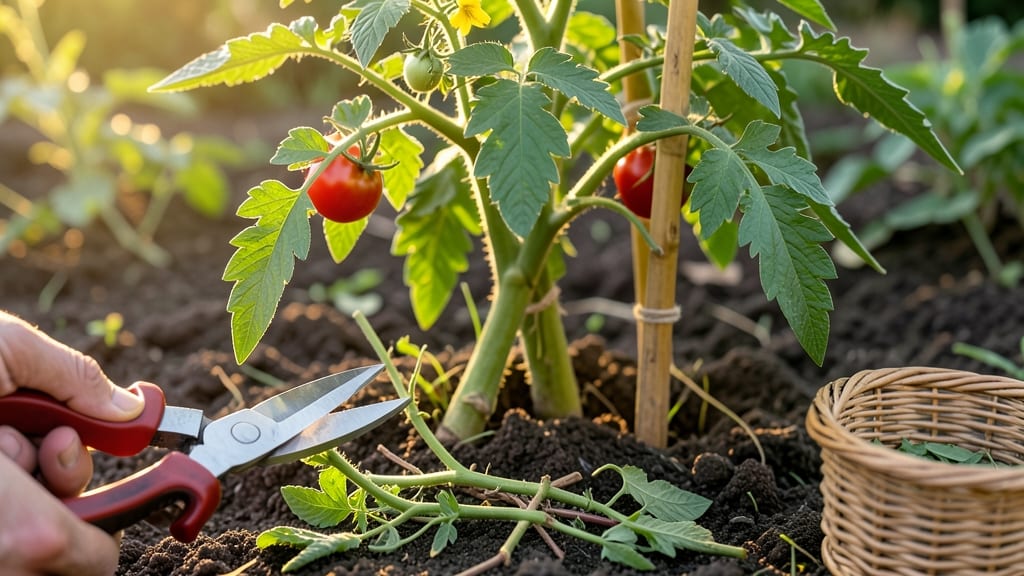
Pruning tomato plants isn't just about trimming—it's the secret to bigger, healthier fruit and fewer problems down the road. 🌱 I learned this the hard way after my first overgrown plants produced tiny, misshapen tomatoes, but once I mastered the technique, my harvests doubled in size.
The key is timing, tools, and knowing exactly where to cut to encourage the plant to focus its energy on what matters most: those juicy, vine-ripened tomatoes you've been dreaming about.
Start by gathering just a few simple tools: sharp pruning shears, gloves (to protect your hands from thorns), and a small notebook to track your progress.
The best time to prune is in the morning when the plants are dry, and always work when temperatures are mild—never in scorching heat or freezing cold.
Begin by removing any suckers (those little shoots that grow between the main stem and branches) when they're still small, about the size of a pencil.
This might sound intimidating, but once you see how quickly the plant responds with stronger growth and more fruit, you'll wonder why you didn't start sooner.
📚 In This Guide
- What you need
- Instructions
- Tips and common mistakes
- Wrapping up and next steps
What you need
- ● Pruning shears or scissors – Sharp, clean bypass pruners (avoid dull tools that crush stems). Quantity: 1 pair.
- ○ Gloves – Garden gloves (to protect hands from thorns and dirt). Quantity: 1 pair (optional but recommended!).
- ○ Disinfectant (optional but critical!) – Rubbing alcohol (70%+), hydrogen peroxide, or bleach solution (1 part bleach to 9 parts water) to sterilize tools and prevent disease spread.
- ● Trash bag or compost bin – For disposing of pruned branches (avoid leaving them near the plant).
- ● Sturdy support (if needed) – Tomato cages, stakes, or trellis (especially for indeterminate varieties).
- ● Hand lens or magnifying glass – For spotting pests or diseases up close.
- ● Plant tie or soft twine – To secure stems to supports after pruning.
- ○ Pruning sealant (for large cuts) – Optional for sealing wounds on thick stems (e.g., tree wound pruning paste).
- ● Notebook & pen – To track pruning dates and plant progress!
Step-by-step instructions for pruning tomato plants
Here's my go-to method for pruning that yields bigger, healthier tomatoes—no guesswork involved.
✂️ Step 1: Identify the Main Stem and First Pruning Points
Start by locating the main stem (the thick, central vine) and the first flower cluster that appears below the first set of true leaves (those are the larger leaves after the initial seed leaves). This is where you'll begin your pruning. Use clean, sharp pruners to avoid tearing stems.
Real talk: If you see suckers (those little shoots growing in the "V" between the main stem and a branch), these are your first targets. Suckers compete for energy, so removing them early directs nutrients to fruit production. I like to do this when the plant is about 12-18 inches tall—before suckers get too large.
✂️ Step 2: Pinch Off Suckers and Thin Flower Clusters
Pinch suckers off with your fingers or snip them at the base where they meet the main stem. Never leave a stub—this prevents disease and keeps the plant tidy. For determinate tomatoes (the bushy types), you can skip this step entirely—they don’t need pruning.
Next, thin out flower clusters so only one or two per stem remain. Overcrowded flowers lead to small, underdeveloped tomatoes. Focus on keeping the strongest, healthiest clusters. You’ll know you’re doing it right when the plant looks open and airy—not packed with blossoms.
☀️ Step 3: Prune for Airflow and Light Penetration
As the plant grows, prune lower leaves (up to the first 12 inches) to improve airflow and reduce disease risk. Remove any yellow or diseased leaves immediately—they’re magnets for blight. I aim to keep the plant open to sunlight all the way to the top.
For indeterminate tomatoes, keep pruning suckers weekly. The goal is to shape the plant into a central stem with 3-4 main branches, each with its own fruit load. If you see a sucker larger than a pencil, it’s already stealing energy—trim it before it becomes a problem.
⏰ Step 4: Adjust Pruning as the Season Progresses
Once the plant hits 5-6 feet tall, shift focus to fruit-bearing branches. Stop removing suckers entirely—let them grow to support more tomatoes. Prune only to remove dead or crowded growth and improve light access to developing fruit.
Here’s the thing—prune in the morning when the plant is dry. Wet leaves and stems make cuts heal slower and increase disease risk. After pruning, give the plant a light watering to help it recover. You’ll see the difference in bigger, riper tomatoes by mid-season.
🌱 Step 5: Finish Up for Harvest and Winter Prep
When frost threatens or the plant stops producing, prune back all remaining leaves above the lowest fruit cluster. This directs the plant’s last energy into ripening what’s already on the vine. Cut stems back to 6 inches tall for easier cleanup.
Don’t toss pruned branches—compost them (unless diseased). Next year, you’ll start fresh with a clean slate and a plant that’s already trained to produce. I promise, a little pruning now means bigger, juicier tomatoes later.
Tips & tricks for perfect tomato plant pruning
Pruning tomato plants might seem intimidating, but these simple tricks will help you grow healthier, more productive plants with fewer mistakes.
Timing is Everything: The 12-18 inch height mark for your first pruning is crucial—this is when suckers are still small and easy to remove. I learned this the hard way after letting suckers grow too large and watching them steal energy from my tomatoes. Prune suckers when they're no bigger than your pinky finger to keep your plant focused on producing fruit.
Tool Selection Matters: Clean, sharp pruners are non-negotiable. I use small, handheld pruning shears with a sharp blade to avoid crushing stems. For larger branches, I switch to my larger pruners. Always clean your tools with rubbing alcohol between plants to prevent disease spread. Dull tools tear stems, creating entry points for pests and diseases.
Visual Pruning Cues: When thinning flower clusters, look for the strongest, most vibrant blossoms. The healthiest clusters will have plump, green buds and be positioned where they'll receive maximum sunlight. Remove any clusters that look leggy or have yellowing leaves—these won't produce quality fruit. Aim for one or two clusters per stem to give each tomato room to grow.
Seasonal Adjustments: Once your indeterminate tomato plant hits 5-6 feet tall, shift your focus entirely to fruit-bearing branches. At this stage, stop removing suckers—let them grow to support more tomatoes. The key is to maintain that open, airy structure we talked about earlier, but now we're prioritizing fruit development over plant shape.
Pro Tips for Prune A Tomato Plant
- Pruning tomato plants might seem intimidating, but these simple tricks will help you grow healthier, more productive plants with fewer mistakes.
- Timing is Everything: The 12-18 inch height mark for your first pruning is crucial—this is when suckers are still small and easy to remove.
- Tool Selection Matters: Clean, sharp pruners are non-negotiable.
Frequently asked questions
Got questions about pruning tomato plants? You’re not alone—even seasoned gardeners need a refresher now and then! Here are answers to the most common queries to help you prune like a pro and maximize your harvest.
When is the best time to prune tomato plants?
Prune your tomato plants early and often—start when they’re 6–12 inches tall and continue throughout the growing season. For indeterminate varieties (like cherry tomatoes), prune regularly to encourage bushier growth and more fruit. Determinate varieties (like Roma tomatoes) need minimal pruning—just remove suckers and damaged leaves.
Do I need special tools to prune tomato plants?
Nope! Basic tools like clean pruning shears or even your fingers work great for small jobs. Just ensure your tools are sharp and disinfected to prevent disease. A glove can help protect your hands from thorns and dirt. Avoid dull tools—they can crush stems instead of cutting cleanly.
Will pruning tomato plants reduce my yield?
Not if done right! Pruning actually boosts productivity by directing energy to fruit production instead of excessive foliage. Over-pruning (removing too many leaves) can stress the plant, but following the 3-leaf rule (leave 3 leaves above a pruned section) keeps your tomato plant healthy and productive.
What should I do if my tomato plant looks sad after pruning?
Don’t panic! A little shock is normal, but watch for signs of stress like yellowing leaves or wilting. If this happens, reduce watering slightly and avoid pruning for a few days. Keep the plant in bright, indirect sunlight and fertilize lightly with a balanced tomato feed to help it recover.
Can I prune tomato plants in containers?
Container-grown tomatoes need pruning too, but with a few tweaks. Since space is limited, focus on removing suckers and diseased leaves to improve airflow. Avoid heavy pruning—container plants have less room to recover. Also, support your plant with a cage or stake early to prevent toppling.
Wrapping up and next steps
Pruning your tomato plants might feel like a big task at first, but with the right techniques—like pinching suckers, trimming leaves, and staking properly—you’ll unlock bigger, healthier fruit and a more productive harvest. 🌱 Remember, consistency is key, so check your plants regularly and adjust as they grow.
Now that you’re armed with these tips, grab your shears and get ready to watch your garden thrive!
Ready to take it further? Experiment with different pruning styles or try growing heirloom varieties for even more flavor-packed tomatoes. Happy gardening!