
How To
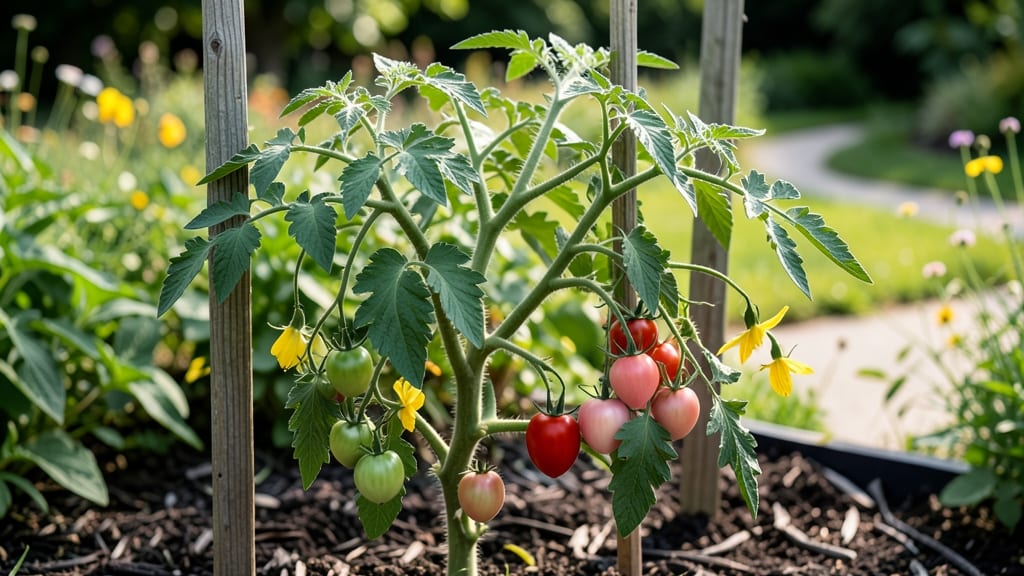
Growing heirloom tomato plants means turning your backyard into a sun-drenched paradise where every vine produces ribs-sticking tomatoes with flavors store-bought varieties can't match. 🌞 I've learned that heirlooms reward patience—those deep purple Black Krims or striped Brandywines need just the right soil, sunlight, and care to thrive.
The first year I grew them, I nearly gave up when the vines sprawled uncontrollably, but mastering their quirks turned my garden into the neighborhood's envy.
Start indoors 6-8 weeks before your last frost, using seed-starting mix that drains like a dream. Heirlooms love warmth and light—keep them near a sunny window or under grow lights until they're sturdy enough to transplant.
The real magic happens when you bury the stems deep in loose, compost-rich soil; those lower leaves will sprout roots, creating a stronger plant. Water consistently at the base (never overhead) to prevent disease, and watch as those vines stretch toward the sky, hungry for sun.
Pruning might seem scary, but it's what transforms rambling vines into productive giants. Pinch off suckers (those little shoots in the leaf axils) to focus energy on fruit, and stake or cage your plants early to keep them upright.
By midsummer, you'll be harvesting tomatoes so sweet they'll make you question why you ever bought grocery store ones. The key? Balance—prune enough to air out the plant, but not so much that it gets stressed.
Heirlooms are worth the extra care—they adapt to containers, raised beds, or trellises, and their flavors improve with each season. Whether you're growing in a small urban plot or a sprawling backyard, these sun-loving giants will pay you back with harvests that taste like summer itself.
Let's get those seeds started!
Understanding Tomato Troubles
Growing heirloom tomatoes can be incredibly rewarding, but even the most experienced gardeners face challenges that can stunt growth, reduce yields, or even kill plants. Understanding the root causes of these issues is the first step to preventing them.
Below, we break down the most common reasons why heirloom tomato plants struggle—and what science says about fixing them.
Heirloom tomatoes thrive in nutrient-rich, well-draining soil with a slightly acidic to neutral pH (6.0–7.0). If your soil lacks essential nutrients or holds too much water, your plants will suffer. Here’s why:
- Nutrient Deficiencies: Tomatoes are heavy feeders and require nitrogen (N), phosphorus (P), and potassium (K) in balanced amounts.
A deficiency in any of these can lead to stunted growth, yellowing leaves, or weak stems. - Example: Yellowing lower leaves (chlorosis) often signals nitrogen deficiency, while purple stems or slow growth may indicate phosphorus or potassium shortages. - Compacted or Poor-Draining Soil: Heirloom tomatoes hate soggy roots.
If soil is too dense or lacks organic matter, it can suffocate roots, leading to root rot or fungal infections. - pH Imbalance: Soil that’s too acidic (<5.5) or alkaline (>7.5) locks out essential nutrients like magnesium, calcium, and iron, causing leaf discoloration or blossom-end rot.
Actionable Fix: Test your soil with a DIY kit or lab analysis and amend it with compost, aged manure, or organic fertilizers like fish emulsion (nitrogen) or bone meal (phosphorus). For drainage issues, mix in perlite or sand to loosen the soil.
Tomatoes have shallow roots and need consistent moisture, but too much or too little water can spell disaster.
- Underwatering: Leads to wilting, leaf scorch, and blossom drop.
Plants conserve water by shedding flowers and fruit, reducing your harvest. - Overwatering: Causes root rot (Phytophthora infestans) and oxygen deprivation, which weakens the plant and invites pests. - Inconsistent Watering: Fluctuating moisture levels stress plants, making them susceptible to cracking fruit or sunscald (white patches on exposed fruit).
Actionable Fix: Water deeply 1–2 times per week (1–2 inches per week), focusing on the base of the plant to encourage deep root growth. Use drip irrigation or soaker hoses to avoid wetting leaves (which promotes disease). Mulch with straw or grass clippings to retain moisture and regulate soil temperature.
Heirloom tomatoes are prized for their flavor but are highly susceptible to pests and pathogens due to their thin skins and vigorous growth.
- Common Pests:
- Aphids, whiteflies, and hornworms sap nutrients and damage leaves.
- Squash bugs and stink bugs pierce fruit, causing cat-facing scars (indentations).
- Nematodes attack roots, leading to stunted growth and wilting (even with proper watering).
- Fungal Diseases:
- Early blight (Alternaria solani) causes brown spots on lower leaves and defoliation.
- Late blight (Phytophthora infestans) spreads rapidly in humid conditions, turning leaves black and mushy.
- Powdery mildew appears as white, powdery patches on leaves, reducing photosynthesis.
- Bacterial Issues:
- Bacterial spot (Xanthomonas) creates small, water-soaked lesions that turn brown and crusty.
- Bacterial wilt (Ralstonia) clogs vascular tissue, causing sudden wilting even when soil is moist.
Actionable Fix:
- Prevent pests: Use row covers, neem oil, or insecticidal soap for soft-bodied insects. Handpick hornworms and squash bugs.
- Improve airflow: Space plants 18–24 inches apart and prune suckers to reduce humidity around foliage.
- Rotate crops: Avoid planting tomatoes in the same spot yearly to break disease cycles.
- Sanitize tools: Disinfect pruners with rubbing alcohol to prevent spreading bacteria.
Heirloom tomatoes are sun-lovers, but extreme heat, cold, or wind can derail their growth.
- Heat Stress:
- Temperatures above 90°F (32°C) cause blossom drop (flowers abort before fruiting) and sunscald on fruit.
- Solution: Use shade cloth (30–50%) during peak afternoon heat or grow heat-tolerant varieties like ‘Solar Fire’ or ‘Heatmaster’.
- Cold Stress:
- Temperatures below 50°F (10°C) stunt growth, while frost kills plants outright.
- Solution: Start seeds indoors 6–8 weeks before last frost and use row covers for early-season protection.
- Wind Damage:
- Strong winds desiccate leaves and break stems, especially in tall indeterminate varieties.
- Solution: Plant near a windbreak (fence, hedge) or stake/tie plants securely.
Without guidance, heirloom tomato plants can grow wildly, leading to:
- Overcrowded foliage: Traps moisture, inviting fungal diseases like blight.
- Weak stems: Unpruned suckers (side shoots) drain energy from fruit production.
- Fruit sunscald: When leaves don’t shade fruit properly, exposure causes white, leathery patches.
Actionable Fix:
- Prune suckers (shoots in the leaf axils) weekly to direct energy to fruit.
- Stake or cage plants to improve airflow and support heavy vines.
- Remove lower leaves (up to 12 inches from the ground) to prevent soil-borne diseases from splashing onto foliage.
Not all heirloom tomatoes are created equal! Some varieties are more sensitive to environmental factors due to their genetics.
- Thin-Skinned Varieties: Types like ‘Brandywine’ or ‘Cherokee Purple’ are prone to cracking if watered inconsistently.
- Determinate vs. Indeterminate:
- Determinate (bush) tomatoes set fruit all at once and are less prone to blossom drop in heat.
- Indeterminate (vining) tomatoes produce continuously and need more support and consistent care.
- Sensitive to Day Length: Some heirlooms (like ‘Black Krim’) may bolt (flower prematurely) if exposed to long daylight hours too early.
Actionable Fix:
- Choose varieties suited to your climate (e.g., ‘Stupice’ for cool seasons, ‘Sungold’ for heat).
- Monitor growth patterns and adjust care (e.g., extra shade for heat-sensitive types).
Fixing Common Heirloom Tomato Troubles
Got your sun-loving giants thriving—or at least trying to? Heirloom tomatoes are rewarding but can throw curveballs like blight, cracked fruit, or stunted growth. Don’t panic! Here’s your practical, step-by-step guide to diagnosing and fixing the most common issues, plus prevention tips to keep your plants happy and productive.
Cause: Overhead watering, humidity, or poor airflow invites fungal infections like early blight (Alternaria) or late blight (Phytophthora).
How to Fix It:
- 🔥 Remove Infected Leaves Snip off yellow/brown leaves with sterilized scissors (wipe with rubbing alcohol between cuts). Dispose of them in the trash—not the compost!
- 🍳 Spray Fungicide (Organic or Chemical)
- DIY Baking Soda Spray: Mix 1 tbsp baking soda + 1 tsp dish soap + 1 gallon water. Spray every 7–10 days (especially after rain).
- Copper Fungicide: Follow label instructions for preventive sprays.
- 👨🍳 Improve Airflow & Watering
- Prune suckers and lower leaves to reduce humidity near the plant.
- Water at the base (not overhead) early in the day so foliage dries quickly.
💡 Prevention Tips:
- Space plants 18–24 inches apart for airflow.
- Mulch with straw to keep soil dry and reduce splashing.
- Rotate crops—don’t plant tomatoes in the same spot yearly.
Cause: Inconsistent watering (too much after drought) or heavy rainfall causes cells to burst.
How to Fix It:
- 🔪 Harvest Early (If Possible) Pick tomatoes when they’re slightly underripe (but firm) to avoid further splitting.
- 🌡️ Adjust Watering Routine
- Water deeply 1–2 times per week (not daily shallow watering).
- Use drip irrigation to deliver steady moisture.
- Avoid late-day watering—soil should be damp but not soggy.
💡 Prevention Tips:
- Mulch heavily (2–3 inches of straw) to retain moisture.
- Choose crack-resistant varieties like ‘Brandywine’ or ‘Cherokee Purple’ (though no heirloom is 100% immune).
- Prune lower leaves to reduce water loss from evaporation.
Cause: Poor soil, overcrowding, nutrient deficiency (especially nitrogen or phosphorus), or pests like aphids stealing sap.
How to Fix It:
- 📊 Test Your Soil
- pH should be 6.0–6.8. Adjust with lime (to raise pH) or sulfur (to lower pH) if needed.
- Add compost or aged manure for organic nutrients.
- 💪 Fertilize Right
- Balanced fertilizer (10-10-10) at planting.
- Switch to low-nitrogen, high-phosphorus (5-10-10) when flowers appear to boost fruiting.
- Avoid over-fertilizing—too much nitrogen = leafy plants, few tomatoes!
- 👨🍳 Thin Plants & Prune
- Remove suckers (side shoots) to redirect energy to fruit.
- Space plants properly (18–24 inches apart for determinate, 24–36 for indeterminate).
💡 Prevention Tips:
- Side-dress with compost mid-season for a slow nutrient boost.
- Hand-pick aphids (spray with soapy water if infested).
- Use fish emulsion (diluted) for a gentle nitrogen/phosphorus boost.
Cause: These hungry critters suck sap or munch on leaves/fruit, weakening plants.
How to Fix It:
- 🔪 Handpick & Remove
- Hornworms: Check leaves daily—squish or drop in soapy water.
- Aphids/Whiteflies: Blast off with a strong stream of water or wipe with a damp cloth.
- 🍳 Natural Sprays
- Neem oil spray (1 tsp neem oil + 1 tsp soap + 1 quart water). Spray every 5–7 days.
- Insecticidal soap (follow label) for soft-bodied pests.
- 🎯 Attract Predators
- Ladybugs, lacewings, and parasitic wasps love aphids. Plant marigolds or dill nearby to lure them.
💡 Prevention Tips:
- Use row covers early in the season to block pests.
- Rotate planting locations to disrupt pest life cycles.
- Avoid broad-spectrum pesticides—they kill beneficial bugs too!
Cause: Temperatures above 90°F (32°C) can cause flowers to drop or leaves to crisp.
How to Fix It:
- 👨🍳 Provide Shade Cloth
- Use 30–50% shade cloth during peak afternoon heat (1–4 PM).
- 💧 Increase Watering (But Smartly)
- Water deeply in the morning to cool roots.
- Mulch heavily to retain moisture and regulate soil temp.
- 🌱 Adjust Planting Time
- Start seeds indoors 6–8 weeks before last frost, but transplant in early spring or late summer (avoid mid-summer heat).
💡 Prevention Tips:
- Choose heat-tolerant heirlooms like ‘Solar Fire’ or ‘Heatmaster’.
- Use reflective mulch (white plastic) to bounce back sunlight.
- Prune excess foliage to reduce transpiration.
Final Pro Tip: 🌟 Keep a garden journal! Note what works (and what doesn’t) each season—your future heirloom tomato harvests will thank you. 🍅✨
Frequently asked questions
How long does it take for heirloom tomato seeds to germinate?
Most heirloom tomato seeds sprout within 7–14 days when kept in 70–85°F (21–29°C) soil. Use a seed-starting heat mat if your home stays cooler than 65°F (18°C), as cold soil slows germination. Keep the soil consistently moist (not soggy) and maintain humidity with a plastic dome or plastic wrap.
Can I grow heirloom tomatoes in containers?
Choose 5-gallon containers or larger for indeterminate varieties (like 'Brandywine') and 3-gallon pots for determinate types (like 'Roma'). Use a lightweight potting mix with compost, and place containers in full sun (6+ hours daily). Add trellises or cages to support vines, and water consistently—containers dry out faster than garden soil.
Why are my heirloom tomato leaves yellowing?
Yellow leaves usually signal overwatering, nutrient deficiency, or disease. Check the soil—if it's soggy, reduce watering and improve drainage. Yellowing on lower leaves often means nitrogen deficiency (add compost or fish emulsion), while yellowing with brown edges suggests magnesium deficiency (try Epsom salt). If spots appear, it could be early blight—remove infected leaves and space plants for better airflow.
Do heirloom tomatoes need pruning?
Yes! Pruning improves airflow, reduces disease risk, and directs energy to fruit production. Remove suckers (shoots in leaf axils) weekly—pinch them off with your fingers or snip with clean scissors. For indeterminate varieties, prune lower leaves up to 12 inches from the ground to prevent soil-borne diseases. Determinate types need less pruning but benefit from removing diseased or crowded foliage.
What's the best way to save seeds from heirloom tomatoes?
Let your best tomatoes ripen fully on the vine, then scoop out the gel and seeds into a jar. Ferment the mixture for 3–5 days (cover with water), stirring daily—this removes the gel that inhibits germination. Rinse seeds in a mesh strainer, dry them on paper towels for 3–5 days, then store in a cool, dark place. Label seeds with the variety and date for next year's planting!