
How To
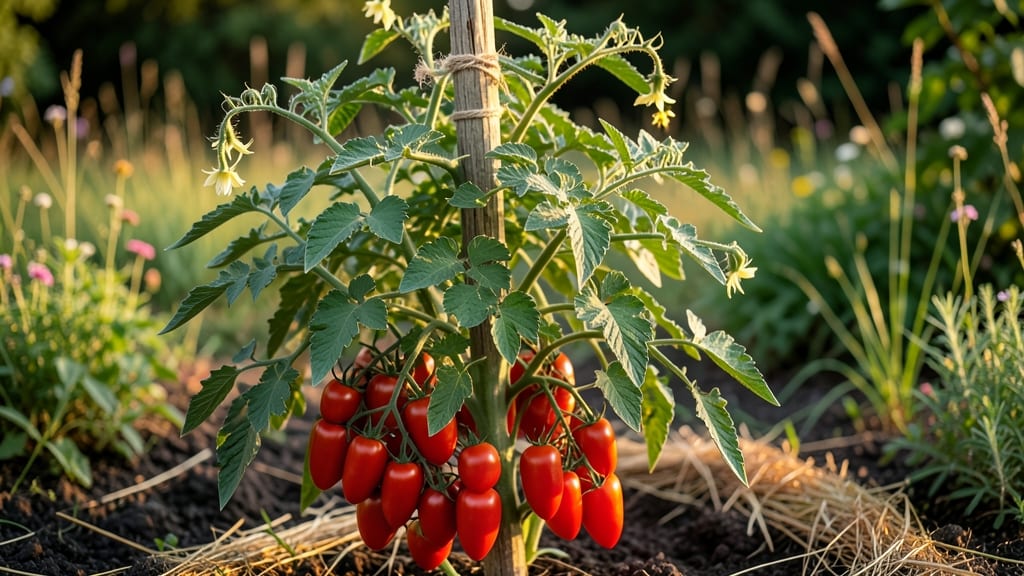
San Marzano tomato plants grow to 4–6 feet tall—or even higher—thanks to their vigorous, indeterminate nature, which means they’ll keep climbing until frost stops them.
If you’ve ever dreamed of growing your own San Marzano tomatoes—the gold standard for pasta sauce—you’re probably wondering just how tall these plants can reach and what that means for your garden space.
Without proper support, those towering vines can sprawl everywhere, snapping under the weight of heavy fruit or tangling with weeds. But with the right trellis or cage, you’ll turn that vertical growth into a neat, high-yielding harvest.
Below, I’ll break down exactly how tall these plants get, when to install supports, and how to maximize your yield without losing your sanity (or your garden’s real estate).

San Marzano tomato plant height: typical growth ranges & indeterminate behavior
If you’ve ever dreamed of growing your own San Marzano tomatoes—the gold standard for pasta sauce—you’re probably wondering just how tall these vigorous plants can reach and what that means for your garden space.
The answer lies in their indeterminate growth habit, which sets them apart from bushier tomato varieties. Unlike determinate tomatoes that stop growing at a set height, San Marzanos keep stretching upward until frost, often reaching heights between 6 and 10 feet with proper care.
This vertical growth pattern is one of their defining traits, making them ideal for trellises or tall cages. Without support, their sprawling vines can spread 4 to 6 feet wide, but their height is what truly demands attention.
Understanding this growth habit helps you plan your garden layout, choose the right support structures, and maximize your yield by keeping plants off the ground and disease-free.
| Characteristic | San Marzano Tomato | Notes |
|---|---|---|
| Growth Type | Indeterminate | Continues growing until frost |
| Mature Height | 6–10 feet | With proper support and care |
| Canopy Spread | 4–6 feet | Without pruning; narrower with training |
| Sunlight Needs | 6–8+ hours daily | More sun = taller, stronger vines |
| Support Required? | Yes | Trellises, stakes, or cages essential |
| Pruning Impact | Reduces height | Encourages fruit production over vine growth |
The indeterminate nature of San Marzano tomatoes means they don’t produce all their fruit at once like determinate varieties. Instead, they continuously grow new leaves, stems, and flowers throughout the season, leading to a prolonged harvest window.
This trait also explains why their height can vary so dramatically—some plants may max out at 6 feet in cooler climates, while others in warm, sunny regions can easily surpass 10 feet.
Sunlight plays a crucial role in their vertical growth. When planted in full sun conditions (6+ hours daily), San Marzanos will grow taller and produce more vigorously. However, insufficient light can stunt their growth, leading to shorter vines and fewer tomatoes.
If you notice your plant growing slower than expected, check its light exposure and consider supplementing with a grow light if indoors or in shaded outdoor spaces.
Another factor influencing height is the pruning technique you use. While San Marzanos don’t require heavy pruning like some heirloom varieties, removing suckers (the small shoots that form in the leaf axils) can help direct energy toward fruit production rather than excessive vine growth.
This doesn’t drastically reduce height but can make the plant more manageable and improve air circulation, reducing disease risk.
For gardeners with limited space, it’s tempting to let San Marzanos sprawl, but this often leads to poor air flow and higher chances of fungal diseases like blight. Instead, train the vines upward using a strong trellis or bamboo stakes.
This not only controls height but also makes harvesting easier and keeps the fruit cleaner. I’ve found that a 6-foot tall trellis works well for most home gardens, giving the plant enough room to grow while keeping it contained.
If you’re growing San Marzanos in containers, expect slightly shorter plants—typically 4 to 6 feet tall—since root space is limited. However, they’ll still benefit from vertical support. Choose a container with at least 5-gallon capacity and ensure it has drainage holes to prevent root rot.
The key is balancing their natural height with your available space, whether that’s a backyard plot or a balcony garden.
One common misconception is that taller San Marzano plants always produce more fruit. While height can indicate a healthy, vigorous plant, the real yield comes from fruit production per vine, not just vine length.
Focus on providing consistent watering, balanced fertilization, and proper support to encourage both height and productivity. With the right care, a well-supported San Marzano can produce 20 to 30 pounds of tomatoes per plant in a single season!
As the growing season progresses, you’ll notice your San Marzano’s height accelerating, especially after flowering. This is normal and expected—don’t be alarmed if it suddenly shoots up a foot or more in a few weeks.
The key is to stay ahead with support installation and pruning so the plant doesn’t become top-heavy or overwhelmed by its own weight. A little proactive care now will save you headaches (and broken trellises) later in the season.
When & how to provide support for tall San Marzano tomato plants
San Marzano tomato plants are indeterminate growers, meaning they don’t stop climbing until frost hits. Without proper support, these 6–10-foot vines can flop over, leading to disease and lost fruit.
The key is to install supports early—right after transplanting—to give roots time to establish while the plant reaches for the sky.
I’ve found that trellises or sturdy stakes work best for San Marzano plants because they allow airflow and make harvesting easier. Unlike cages, which can restrict growth, trellises let you guide the plant’s direction while keeping it off the ground.
Plus, elevated fruit reduces soil-borne diseases like blight and rot.
Here’s my step-by-step guide to supporting your towering San Marzano plants without sacrificing yield or health:
Drive 5–6-foot stakes 6 inches deep near each plant or set up a trellis system along the row. Use soft ties (like old T-shirts or plant straps) to avoid damaging stems.
Remove suckers (shoots in the leaf axils) to focus energy on fruit production. Aim for 1–2 main stems per plant for better airflow and support.
Gently weave vines through trellis horizontally to encourage spreading and fruit development. Avoid over-tightening ties as the plant grows.
By July, add extra stakes or cross-bracing if vines exceed 6 feet. Heavy fruit can snap weak supports, so check ties weekly.
Pick tomatoes every 2–3 days to prevent overloading branches. Overripe fruit can weigh vines down, increasing the risk of splitting or disease.
If your San Marzano plants are outgrowing their space, don’t panic. You can prune the top 1–2 feet of the plant in late summer to redirect energy to existing fruit. This trick works wonders in small gardens or when unexpected storms threaten to topple your trellis.
For container growers, opt for 5-gallon pots with built-in trellises and use dwarf or semi-dwarf varieties if space is ultra-limited. Just remember: even in containers, San Marzanos will climb—so plan for at least 4 feet of vertical space.
With the right support, your San Marzano plants will reward you with heavy yields of sweet, plump tomatoes—all while staying upright and disease-free. Happy growing! 🌱