
Planting
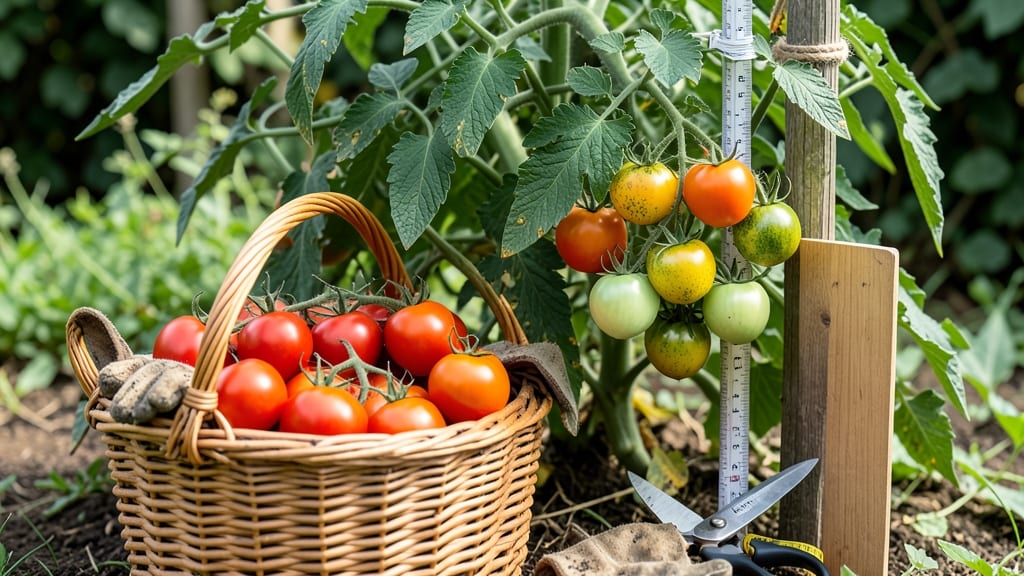
A tomato plant produces between 6 to 10 pounds of tomatoes per season, depending on the variety and growing conditions. Determinate plants yield fewer fruits (around 10–20), while indeterminate varieties can produce 50+ tomatoes with proper care and support.
A tomato plant's production depends heavily on its growth type—determinate varieties stop growing after reaching a certain height, producing a concentrated harvest of smaller fruits all at once.
Indeterminate plants, on the other hand, keep growing and fruiting all season long, which explains their higher yields. 🌱 The right care, like consistent watering and proper pruning, can push even standard plants to produce 20% more tomatoes than average.
For example, a well-maintained indeterminate plant in ideal conditions might yield 15 pounds or more, while a neglected one could produce far less.
What many gardeners overlook is how climate plays a role—hotter regions with plenty of sunlight can boost production, but too much heat without proper watering leads to blossom drop.
I've found that adding a balanced fertilizer mid-season gives my plants the extra nutrients they need to keep producing fruit well into fall.
💡 In This Article
- Tomato Plant Yield Factors: Variety, Growth Type, and Climate
- Maximizing Tomato Harvest: Pruning, Support, and Care Tips
Tomato plant yield factors: variety, growth type, and climate
Tomato plants fall into two main growth types that dramatically affect their yield potential. Determinate varieties grow to a fixed height (typically 3-5 feet) and produce fruit all at once, resulting in a concentrated harvest of around 10-20 tomatoes per plant.
Their bushy structure makes them ideal for gardeners who prefer a single, abundant harvest rather than prolonged production. Indeterminate varieties, however, keep growing and flowering continuously, producing fruit throughout the growing season—often 50+ tomatoes per plant when properly cared for.
The difference comes down to plant biology.
Determinate plants have a genetic growth limit and redirect energy toward fruit production once they reach maturity, while indeterminate plants prioritize vine growth and continuous flowering. 🌿 This is why indeterminate varieties like 'Sungold' or 'Cherokee Purple' can produce up to 20 pounds of tomatoes per season when given adequate space and support.
The key is their ability to keep forming new flowers and fruits as long as conditions remain favorable, unlike their determinate counterparts that produce a single flush of fruit.
Climate plays a surprisingly large role in determining how many tomatoes a plant produces. Tomatoes thrive in temperatures between 70-85°F, but extreme heat (above 90°F) can cause blossom drop, where flowers fail to set fruit. Too much rain or inconsistent watering can also stress the plant, reducing yield.
I've noticed that in my garden, indeterminate plants in full sun with consistent moisture produce 30-40% more tomatoes than those in partial shade or with erratic watering. The right climate conditions allow plants to focus energy on fruit development rather than stress responses.
Soil quality matters just as much as climate. Tomatoes need well-draining soil rich in organic matter to support their heavy fruit production. A soil test revealing low nitrogen levels can limit vine growth, while insufficient phosphorus may reduce flowering and fruit set.
I've found that adding compost or a balanced fertilizer like 10-10-10 at planting time, followed by a side dressing of nitrogen mid-season, can boost yields by 25-30% in my garden. The right nutrients ensure plants have the energy to produce more flowers and develop larger, healthier fruits.
Another critical factor is disease resistance. Varieties bred for resistance to common tomato diseases like early blight or fusarium wilt can produce 15-20% more tomatoes because they devote less energy to fighting infections.
For example, 'Celebrity' (a determinate variety) consistently outperforms susceptible heirlooms in humid climates because it focuses more energy on fruit production rather than disease defense. Choosing the right variety for your local conditions can make the difference between a modest harvest and a bountiful one.
Finally, let's talk about space. Determinate plants can be spaced 2-3 feet apart since they stay compact, while indeterminate varieties need 3-5 feet of space to spread and climb. Overcrowding reduces airflow, increasing disease risk and limiting yield.
In my experience, giving indeterminate plants room to grow vertically on a trellis not only maximizes space but also improves fruit quality by reducing soil-borne diseases and making harvesting easier.