
Vegetables
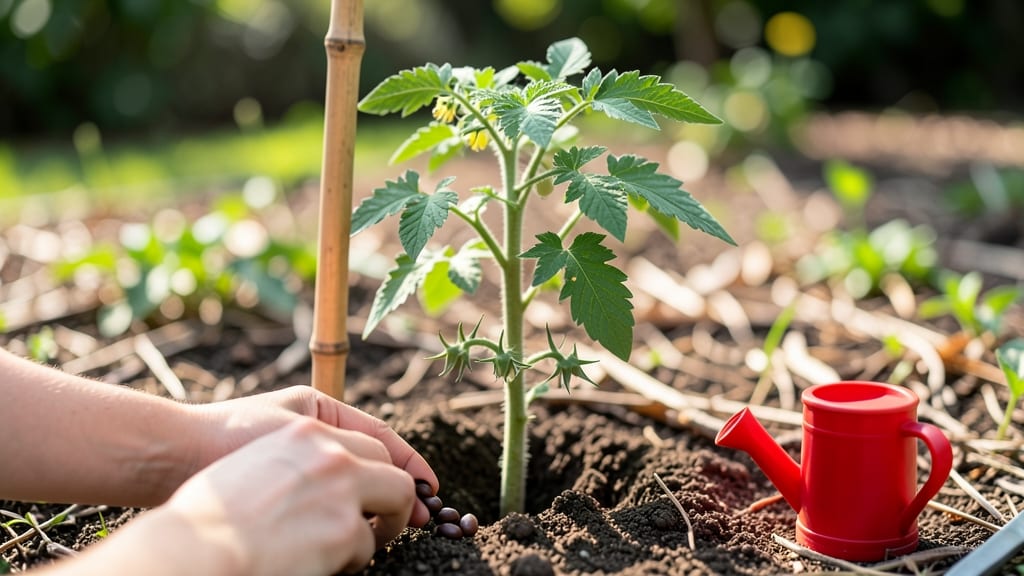
Planting 2-3 cherry tomato seeds per hole 🍅 is the secret to avoiding stunted plants and maximizing your harvest—yet too many gardeners guess wrong, leading to wasted space or weak seedlings.
You’ve probably seen those tiny 🍅 cherry tomato plants in seed packets and wondered: Do I plant one seed per hole, or cram in a few for luck? The answer isn’t just about seed count—it’s about spacing, soil health, and even your variety’s growth habits.
Get it right, and you’ll end up with bushes bursting with fruit instead of scraggly, underperforming plants.
In this guide, I’ll break down the exact spacing rules for cherry tomatoes, whether you’re direct-seeding or transplanting, and how to thin seedlings without stressing the plants. We’ll also cover when to plant multiple seeds (and when to stick to one) to ensure your garden thrives all summer long.
Ready to turn your seedling dreams into a high-yield harvest? Let’s dive into the spacing secrets that make all the difference.
Optimal cherry tomato seed spacing by planting method (direct sow vs transplant)
Getting the cherry tomato seed spacing right is the difference between a bountiful harvest and stunted, disease-prone plants. Whether you're direct sowing or transplanting seedlings, the number of seeds per hole and their placement affects everything from air circulation to yield potential.
Let's break down the science-backed approach to avoid common mistakes.
Most gardeners plant 2-3 cherry tomato seeds per hole as a hedge against poor germination. However, this practice often leads to overcrowding if all seeds sprout.
The key is balancing seed quantity with plant competition—especially for varieties like 'Sweet 100' or 'Tiny Tim' that thrive in tight spaces but still need room to breathe.
Direct sowing (planting seeds directly in the garden) typically requires 3 seeds per hole to ensure at least one strong plant survives. In contrast, transplants (young plants bought from nurseries) only need 1 hole per plant, but spacing between holes becomes critical. Let's compare these methods side-by-side for clarity.
For direct sowing, planting 2-3 seeds per hole gives you a buffer against germination failures. However, once seedlings emerge, you'll need to thin to the strongest plant to prevent nutrient competition.
Use sharp scissors to avoid disturbing roots, and do this when seedlings are 2-3 inches tall—they'll recover quickly.
When transplanting cherry tomato seedlings, the rule changes to 1 plant per hole. The focus shifts to hole spacing: 18-24 inches apart for standard varieties and 12-18 inches for bush types.
Wider spacing improves airflow, reducing the risk of blight and fungal diseases—a common issue in dense plantings.
If you're growing bush cherry tomatoes like 'Tiny Tim' or 'Balcony Red', you can get away with 6-12 inches between plants. These compact varieties are bred for high-density planting and thrive in containers or small-space gardens.
Just ensure your soil is rich in compost to support their smaller root systems.
For indeterminate varieties (like 'Sweet 100' or 'Sun Gold'), which grow 6+ feet tall, prioritize vertical space. Plant 1 seedling per hole with 24-36 inches between plants and use trellises or cages to guide their growth.
This method maximizes fruit production while keeping plants off the ground, reducing disease risk.
Proper spacing isn't just about yield—it's about plant health. Crowded cherry tomatoes suffer from poor air circulation, leading to humidity buildup and fungal infections like early blight. By following these guidelines, you'll create an environment where your plants can thrive, not just survive.
Remember, soil quality and watering consistency also play huge roles. Amend your soil with compost or aged manure before planting, and water at the base of plants in the morning to keep foliage dry. These small adjustments,
When to plant multiple seeds per hole (and when to avoid it)
Deciding whether to plant 2-3 cherry tomato seeds per hole depends on your germination rates and garden conditions. In ideal scenarios with high-quality seeds and rich soil, planting 1 seed per hole is standard.
However, many gardeners opt for multiple seeds to ensure at least one strong plant emerges—especially in rocky or poor-quality soil where germination may fail.
For bush varieties like 'Tiny Tim' or heirloom tomatoes, planting 2-3 seeds per hole is often recommended. These compact plants thrive in tighter spaces, and having extras ensures you won’t lose your entire crop if some seeds fail to sprout.
The key is thinning seedlings properly once they’re 2-3 inches tall to avoid competition.
Here’s a quick risk-benefit analysis to help you decide:
Planting 2-3 Seeds Per Hole
- Higher germination success
- Ideal for bush varieties
- Better for poor soil or rocky conditions
- Requires thinning (can shock plants)
- Wastes space if all seeds sprout
- Increases competition for nutrients
Planting 1 Seed Per Hole
- No thinning required
- Maximizes space efficiency
- Reduces plant competition
- Risk of failed germination
- Not ideal for poor soil
- Less forgiving for beginners
If you’re working with small-space gardens or containers, planting 2 seeds per hole is often the best strategy. For example, in a 5-gallon pot, you can fit 2-3 cherry tomato plants by spacing holes 12-18 inches apart.
This setup ensures you get a harvest even if one seed doesn’t germinate.
When thinning, use sharp scissors or pruners to snip seedlings at soil level, rather than pulling them. This minimizes root disturbance and reduces stress on the remaining plants. Always keep the strongest, healthiest seedling—look for dark green leaves and sturdy stems.
For indeterminate varieties like 'Sweet 100,' which grow tall and vine-like, stick to 1 seed per hole spaced 18-24 inches apart. These plants need room to sprawl, and overcrowding leads to poor air circulation and disease susceptibility.
If you’re unsure about your variety, check the seed packet for spacing recommendations.
Pro tip: If you’re planting in cool or damp conditions, consider planting 1 seed per hole and using a seedling heat mat to boost germination rates. This eliminates the need for thinning while still ensuring strong starts.
For most gardeners, a mix of 2 seeds in poor soil and 1 seed in ideal conditions strikes the perfect balance between reliability and efficiency.