
Size
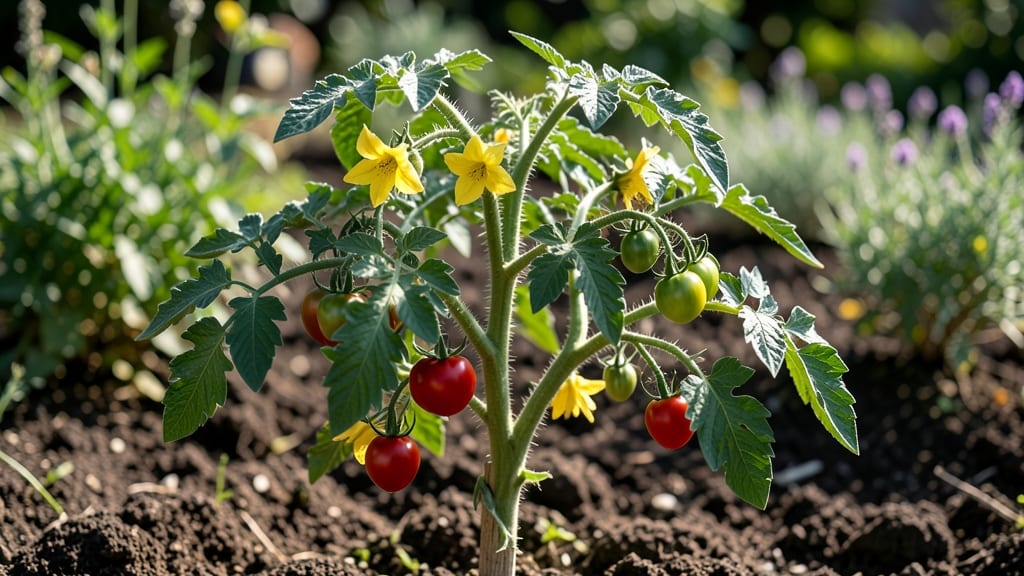
Growing a tomato plant from seed usually takes 60 to 85 days to produce fruit, though this varies widely based on the variety, growing conditions, and environmental factors. Early-maturing types like 'Early Girl' can bear tomatoes in as little as 50 days, while heirloom varieties often require 90-100 days or longer.
Understanding this timeline helps you plan your garden effectively. 🌱 The entire process from seed germination to harvest involves several distinct stages, each with its own requirements. For instance, seedlings typically emerge within 5-14 days after planting, but they need consistent warmth and moisture to thrive.
Once established, plants enter a rapid growth phase where proper sunlight exposure and nutrient-rich soil become critical for reaching maturity faster. I've found that starting seeds indoors 6-8 weeks before the last frost date gives them a head start, which can shave weeks off the total growing time.
What many gardeners overlook is how climate plays a role—cooler temperatures slow growth, while consistent warmth accelerates it. For example, in Zone 7, I've seen cherry tomatoes ready for harvest in just 60 days, while the same variety might take 75 days in Zone 5's cooler springs.
Proper spacing and pruning also prevent competition for resources, ensuring plants focus energy on producing fruit rather than excessive foliage.
💡 In This Article
- Tomato Plant Growth Stages: Timeline Breakdown From Seed to Harvest
- Factors That Speed Up or Delay Tomato Plant Maturity
Tomato plant growth stages: timeline breakdown from seed to harvest
The journey from seed to tomato starts with germination, where seeds sprout in 5-14 days under ideal conditions. This phase requires consistent moisture and temperatures between 70-85°F—any cooler, and germination slows dramatically.
You'll notice tiny roots breaking through the seed coat first, followed by the seedling's first leaves emerging in what's called the "cotyledon" stage. These initial leaves look different from true leaves and serve as the plant's first energy source.
Once sprouted, the seedling stage lasts 2-3 weeks and focuses on developing a sturdy stem and root system. During this time, seedlings need 12-14 hours of sunlight daily and should be kept in a warm environment.
I've found that using grow lights can accelerate this phase by 30% compared to natural light alone. True leaves (the second set) appear around day 10-14, signaling the plant is ready for its next phase.
The transplant stage spans 4-6 weeks and is where the plant develops its main structure. This is when proper spacing becomes critical—crowded plants compete for nutrients, slowing growth. In this phase, tomatoes need 6-8 hours of direct sunlight and well-draining soil with a pH of 6.0-6.8.
Staking or caging plants early prevents them from bending under fruit weight, which can delay ripening by 1-2 weeks.
After 6-8 weeks of growth, the plant enters the flowering stage, lasting 2-3 weeks. Flowers appear in clusters, and successful pollination (often aided by bees or gentle shaking) leads to fruit set.
Here's where temperature matters most—ideal ranges are 70-85°F; above 90°F, flowers may drop without setting fruit. I've noticed that morning watering helps prevent blossom-end rot, a common issue caused by calcium deficiency during this critical phase.
The final stage is fruiting, where tomatoes develop over 30-60 days depending on variety. Early varieties like 'Patio' take 50 days, while heirlooms like 'Brandywine' need 85-100 days.
During this time, consistent watering (about 1-2 inches per week) and balanced fertilization (high in phosphorus and potassium) ensure steady growth. The plant's energy shifts entirely to fruit development, and you'll see rapid size changes—especially in the 2 weeks before ripening.
What's fascinating is how environmental factors create variations. For example, in Zone 10, where temperatures stay warm year-round, some varieties produce fruit continuously, while Zone 4 gardens may only get 1-2 harvests per season due to shorter growing periods.
Understanding these stages helps you troubleshoot delays—like stunted growth in the transplant phase—which often points to inadequate sunlight or poor soil quality.