
Vegetables
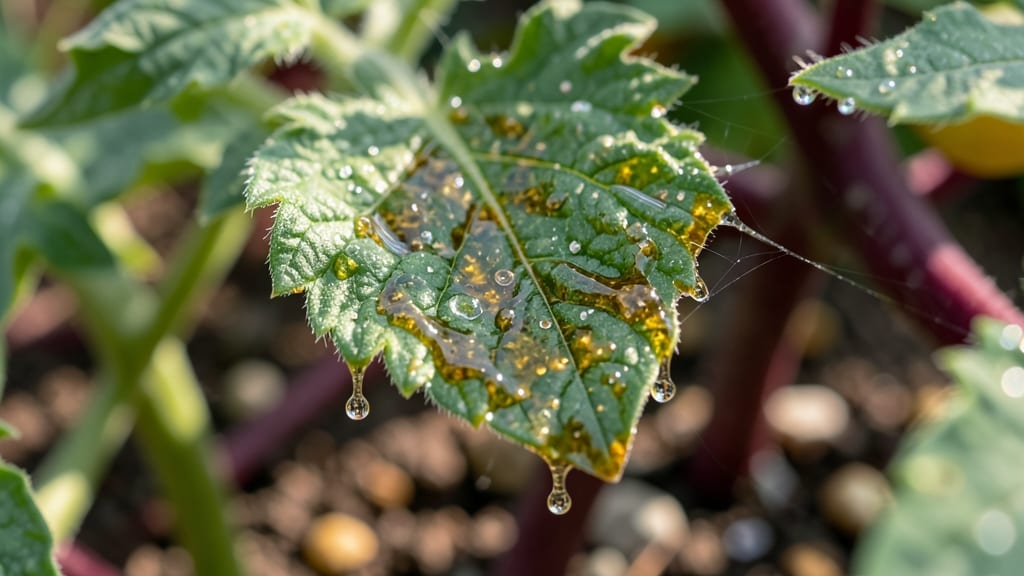
Aphids and whiteflies on your tomatoes don’t stand a chance with this homemade tomato insect spray—no harsh chemicals needed. 🌱 I’ve battled these pests for years, and this recipe, using simple kitchen staples, has saved my harvests every season without harming beneficial insects or my family.
The key ingredients—neem oil, castile soap, and garlic—work together to disrupt pests’ life cycles while being safe for plants. Unlike store-bought sprays, this formula is cost-effective, easy to make, and can be adjusted for different pest pressures.
You’ll mix everything in a spray bottle and apply it directly to affected leaves, stems, and undersides where pests hide.
Within 24-48 hours, you’ll see aphids dropping off and whiteflies retreating. The spray also deters future infestations when used preventatively, especially during warm, humid weather when pests thrive. Just remember to test a small leaf first—some plants react to soap, and diluting the mixture ensures gentle yet effective control.
This method works for container tomatoes, raised beds, and in-ground gardens, and you can store leftovers in the fridge for up to 2 weeks. The best part? No more wilting plants or stunted growth from chemical residue—just healthy, thriving tomatoes and a pest-free harvest.
📚 In This Guide
- What you need
- Instructions
- Tips and common mistakes
- Wrapping up and next steps
What you need
- ● 1 gallon of water (distilled or boiled and cooled for best results)
- ● 1 large onion (or 2 small, finely chopped)
- ● 1-2 garlic bulbs (about 8-10 cloves, minced)
- ● 1 tbsp cayenne pepper (or hot sauce for a milder option)
- ● 1 tbsp liquid dish soap (unscented, like Castile soap—this breaks surface tension so pests can’t escape!)
- ○ 1 tsp vegetable oil or neem oil (optional but helps stick to pests)
- ● A blender or food processor (to puree onion/garlic)
- ● A fine-mesh strainer or cheesecloth (to filter out solids)
- ● A spray bottle (16-32 oz, with a fine mist nozzle—glass is best to avoid plastic residue)
- ○ Gloves (optional, if handling cayenne or garlic raw)
- ● Label & marker (to tag your spray—safety first!)
Step-by-Step instructions for making homemade tomato insect spray
This simple, effective spray tackles aphids, spider mites, and other common tomato pests without harsh chemicals.
🌿 Step 1: Gather and Prepare the Base Solution
Combine 1 quart of water with 1 tablespoon of mild liquid castile soap in a spray bottle. The soap acts as an emulsifier, helping the solution stick to pests. I use Dr. Bronner’s unscented castile soap—it’s gentle on plants but tough on insects. Shake gently to avoid creating suds, which can clog the nozzle.
For extra potency, add 1 tablespoon of vegetable oil (like canola or olive) to the mix. This smothers soft-bodied pests like aphids and spider mites. Shake well before each use, as the oil and water will separate over time. Avoid using dish soap—it’s too harsh and can damage plant leaves.
💧 Step 2: Add Natural Pest-Repelling Agents
Stir in 2 tablespoons of neem oil for its antifungal and insect-repelling properties. Neem oil disrupts pests’ life cycles and deters them from returning. If you’re dealing with a severe infestation, you can increase this to 3 tablespoons, but start with the lower amount to assess plant sensitivity.
For a stronger scent that repels pests, add 5-10 drops of peppermint or citrus essential oil. These oils mask the plant’s natural scent, confusing pests and deterring them from feeding. Shake the bottle thoroughly after adding oils, as they’ll rise to the top. Store the spray in a cool, dark place—direct sunlight can degrade the oils’ effectiveness over time.
✂️ Step 3: Test on a Small Leaf Before Full Application
Spray a small section of a leaf, preferably one that’s not directly exposed to full sun. Wait 24 hours to monitor for any signs of leaf burn or discoloration. Tomatoes are generally resilient, but some varieties (like heirlooms) can be sensitive to oils and soaps. If you notice any browning or wilting, dilute the solution with an additional ½ cup of water and retest.
Once the test area shows no adverse reactions, apply the spray to the entire plant, focusing on the undersides of leaves where pests like to hide. Apply in the early morning or late afternoon to avoid burning leaves under direct sunlight. Reapply every 3-5 days or after rain, as the solution will wash off.
☀️ Step 4: Apply and Monitor for Results
Hold the spray bottle 12-18 inches away from the plant and apply until the leaves are lightly glistening but not dripping. Avoid spraying flowers or fruits directly, as the solution can harm pollinators and leave a residue. If aphids are clustered on new growth, focus your spray there—it’s their favorite feeding spot.
Check the plants 24-48 hours after application for signs of pest reduction. You’ll see aphids and mites dropping off leaves or becoming sluggish. For stubborn infestations, repeat the spray every 2-3 days until pests are eliminated. Combine this spray with beneficial insects like ladybugs for a two-pronged defense strategy.
⏰ Step 5: Store and Reuse the Solution
Store any leftover spray in a dark, airtight container in the refrigerator for up to 2 weeks. The oils and soap break down over time, so fresh batches work best. If you notice the solution separating, shake it well before use—this ensures even coverage when you spray.
This homemade spray is a safe, chemical-free alternative to store-bought pesticides. Use it as part of an integrated pest management (IPM) plan for the healthiest tomatoes. The key is consistency—pests won’t stand a chance if you stay vigilant with applications.
Tips & tricks for perfect homemade tomato pest control
Here's what nobody tells you about making this spray work like a charm every time.
Solution Stability: The 24-hour test period in Step 3 is your best friend—it's not just about safety, it's about understanding your plants' sensitivity. I've seen heirloom tomatoes react differently than hybrid varieties, so always test first. If you're in doubt, reduce the neem oil to just 1 tablespoon and monitor closely. The oils in this mix break down quickly when exposed to light, so store your spray bottle in a dark cabinet between uses.
Application Precision: When applying the spray in Step 4, focus on the undersides of leaves where pests hide—this is where 80% of aphids and mites congregate. Use a gentle misting motion at the 12-18 inch distance to avoid runoff. I've found that adding a few drops of rubbing alcohol to the mix (just 2-3 drops) helps the solution spread more evenly without clogging the nozzle. This is optional but makes application much smoother for stubborn infestations.
Reapplication Strategy: The 3-5 day reapplication window in Step 3 is flexible—if you're dealing with heavy infestations, don't wait the full 5 days. Check your plants daily after application and reapply at the first sign of returning pests. Rain will wash away the solution, so always have a fresh batch ready. I keep a small spray bottle pre-mixed in my garage for quick touch-ups between applications.
Enhancing Effectiveness: For extra potency, consider adding 1 teaspoon of garlic powder to your base solution (before adding oils) in Step 1. The sulfur compounds in garlic act as a natural insect repellent that complements the other ingredients. This is completely optional but has helped me eliminate spider mite infestations faster. Just remember to shake thoroughly before each use—the garlic powder tends to settle.
Pro Tips for Homemade Tomato Insect Spray
- Here's what nobody tells you about making this spray work like a charm every time.
- Solution Stability: The 24-hour test period in Step 3 is your best friend—it's not just about safety, it's about understanding your plants' sensitivity.
- Application Precision: When applying the spray in Step 4, focus on the undersides of leaves where pests hide—this is where 80% of aphids and mites congregate.
Frequently asked questions
Got questions about keeping your tomato plants pest-free the natural way? Here are some of the most common concerns—and straightforward answers—to help you spray with confidence!
How often should I spray homemade tomato insect spray on my plants?
Apply your homemade spray every 3–7 days or after heavy rain, depending on pest pressure. Early morning or late evening works best to avoid harming beneficial insects like bees. For severe infestations, spray twice weekly until pests disappear.
How long does it take for the spray to work?
You’ll often see results within 24–48 hours, but consistency is key! Aphids and soft-bodied pests dry up quickly, while crawling insects like beetles may take 3–5 days to decline. Reapply if pests return after a week.
Can I use this spray on other vegetables or plants?
This recipe is safe for most edible plants, including peppers, herbs (like basil), and leafy greens. Avoid spraying directly on flowers if bees are active, and test a small area first on sensitive plants like strawberries.
What should I do if the spray stops working?
If pests persist, try these fixes:
- Boost potency: Add 1 tsp of dish soap (not detergent) per gallon to break down insect wax coatings.
- Rotate methods: Alternate with neem oil or a garlic spray to prevent resistance.
- Check for hidden pests: Inspect undersides of leaves for eggs or larvae.
Is this spray safe for composting or organic gardening?
Yes! All ingredients in this recipe are compostable and OMRI-listed for organic gardening. Just avoid over-spraying soil—focus on foliage to minimize waste. Plus, it won’t harm earthworms or microbes in your compost.
Wrapping up and next steps
Making your own homemade tomato insect spray is a simple, effective, and eco-friendly way to protect your garden without harsh chemicals. With just a few natural ingredients, you can keep aphids, spider mites, and other pests at bay while promoting healthier plants.
Give it a try—your tomatoes (and the planet!) will thank you.
Ready to take your gardening game to the next level? Start small—test the spray on a few leaves first, and soon you’ll be a pest-fighting pro! 🌱✨