
Pests
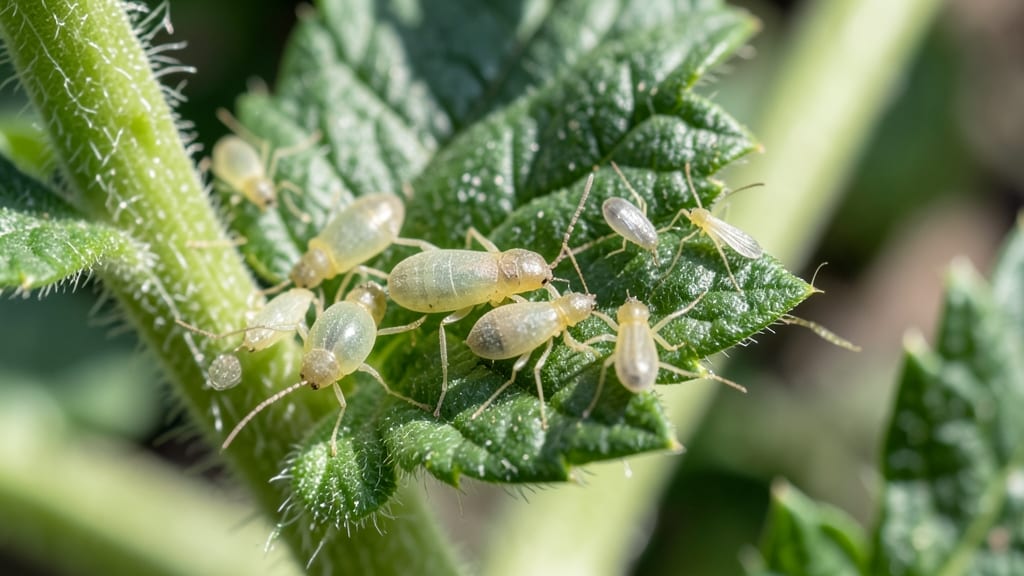
Those tiny green invaders in aphids on tomato plants images can wipe out your tomato harvest faster than you can say "sauce." 🌱 I’ve lost entire plants to aphids before, but now I spot them within days—and stop them before they spread.
The key is knowing what to look for, from curled leaves to sticky residue that turns your plants into a sticky mess.
Most people panic when they see aphids, but the good news is you don’t need harsh chemicals to win. A strong spray of soapy water or neem oil can eliminate them in 24-48 hours, while ladybugs and lacewings do the work for you naturally.
The worst part? Severe infestations can stunt growth and attract other pests like ants.
By the time you finish this guide, you’ll recognize aphids on sight and have a foolproof plan to kick them off your plants. Your tomatoes will stay lush, productive, and free from those pesky clusters. No more wasted harvests—just healthy, thriving vines.
Whether you’re dealing with a few stragglers or a full-blown outbreak, these methods work fast and keep your garden chemical-free. Let’s get those plants back to their best in no time!
Root Causes of Tomato Aphids
Aphids don’t just randomly appear on your tomato plants—they’re drawn by specific conditions that make your garden a buffet. Understanding these triggers is the first step to stopping them before they take over. Here’s why these tiny pests target your tomatoes:
Aphids thrive where plants are vulnerable. When tomato plants are nutrient-deficient, overcrowded, or struggling with disease, their weakened state releases sugary honeydew—a sweet, sticky byproduct that aphids love. Additionally, stressed plants produce volatile organic compounds (VOCs) that act like an invisible "help, I’m weak" signal to aphids.
- Signs your plants are stressed:
- Yellowing leaves (chlorosis)
- Stunted growth or wilting
- Soft, mushy stems (possible fungal infection)
- Actionable fix:
- Prune crowded foliage to improve airflow.
- Fertilize with balanced, organic nutrients (like compost tea) to boost resilience.
- Water deeply at the base (avoid wetting leaves to prevent fungal diseases).
Aphids prefer shady, sheltered spots where predators (like ladybugs or lacewings) can’t reach them.
When tomato plants are planted too closely together, aphids find: - Less sunlight (they avoid direct UV rays, which can harm them). - More humidity (ideal for their reproduction). - Easy access to multiple plants without exposure.
- Why it matters:
- A single aphid can reproduce 10–20 offspring in a week if undisturbed.
- Dense foliage traps honeydew, which attracts sooty mold—a secondary fungal issue.
- Actionable fix:
- Space plants 18–24 inches apart for airflow.
- Thin seedlings early to prevent competition.
- Train vines vertically (on trellises) to reduce ground-level hiding spots.
Aphids excrete honeydew, a sugary waste product that:
- Attracts ants (who "farm" aphids for their honeydew).
- Promotes sooty mold (a black fungal growth that blocks sunlight).
- Weakens plants further by clogging pores and encouraging rot.
Once ants move in, they protect aphids aggressively, making elimination harder. This creates a feedback loop:
- Aphids feed → produce honeydew.
- Ants arrive → guard aphids → population explodes.
- Plant health declines → more aphids thrive.
- Actionable fix:
- Disrupt ant trails with barriers (e.g., sticky traps or diatomaceous earth).
- Wipe honeydew off leaves with a damp cloth to deter mold and ants.
- Introduce natural predators (ladybugs, lacewings, or parasitic wasps).
Aphids reproduce fastest in temperatures between 60–80°F (15–27°C) with moderate humidity. If your garden fits this profile:
- Larvae mature in 7–10 days (vs. weeks in cooler weather).
- Adults lay more eggs when days are long (spring/summer).
- Rain or overhead watering keeps foliage damp, prolonging their lifespan.
- Regional hotspots:
- Southern U.S.: Year-round risk in greenhouses or shaded areas.
- Northern U.S.: Peak in late spring to early fall.
- Actionable fix:
- Use row covers in early spring to block winged aphids.
- Water in the morning to allow foliage to dry quickly.
- Monitor greenhouses closely—aphids can build up indoors without natural predators.
Many aphid species overwinter as eggs on:
- Old plant stems left in the soil.
- Weeds (like dandelions or chickweed) near tomato beds.
- Garden tools or trellises with trapped aphids.
When spring arrives, these eggs hatch simultaneously, leading to sudden outbreaks.
- Actionable fix:
- Clean up garden debris in fall (remove and compost old plants).
- Inspect new plants for eggs before transplanting.
- Solarize soil (cover with plastic for 4–6 weeks in summer) to kill overwintering pests.
Quick Fixes for Aphid-Infested Tomatoes
Aphids may seem like a tiny nuisance, but with the right approach, you can banish them fast and protect your tomato plants. Below are practical, step-by-step solutions tailored to the root causes—whether it’s overcrowding, weak plants, or environmental factors.
Follow these methods to restore your garden’s health and keep aphids from returning.
If your tomato plants are heavily infested, act fast to prevent damage. These methods work immediately to reduce aphid populations:
👨🍳 Spray with Soapy Water (Best for Small Infestations)
Aphids hate soapy water! Mix 1 tablespoon of mild dish soap (like Dawn) with 1 quart of water in a spray bottle. Gently spray the undersides of leaves (where aphids hide) until leaves glisten.
Reapply every 3–4 days until aphids disappear.
✨ Pro Tip: Use neem oil soap (1 tsp neem oil + 1 tbsp soap per quart of water) for a stronger, organic repellent.
🔪 Blast Them Off with Water (Mechanical Control)
Fill a garden sprayer with plain water and direct a strong stream at aphid clusters. The force will knock them off leaves and stems. Do this early in the morning so plants dry quickly, reducing fungal risks.
🐞 Introduce Beneficial Insects (Natural Predators)
Ladybugs, lacewings, and parasitic wasps love eating aphids.
Purchase them from garden centers or attract them naturally by planting: - Dill, fennel, or marigolds (aphid magnets that draw predators away from tomatoes). - Alyssum or cilantro (their flowers provide nectar for beneficial insects).
💡 Pro Tip: Release predators at dusk when they’re most active.
Aphids target weak or stressed plants. Follow these preventive measures to make your tomatoes less appealing to pests:
🌡️ Improve Air Circulation & Spacing
Aphids thrive in crowded, humid conditions. Ensure your tomato plants have:
- At least 18–24 inches of space between plants.
- Prune suckers and lower leaves to allow airflow.
- Avoid overhead watering (water at the base instead).
💪 Boost Plant Health with Fertilizer
Weak plants attract aphids. Use a balanced fertilizer (10-10-10) or compost tea to:
- Increase nitrogen (for lush foliage).
- Add phosphorus (for strong roots).
- Include potassium (for disease resistance).
✨ Pro Tip: Fish emulsion (high in nitrogen) is a great organic boost for tomato plants.
🎯 Use Natural Repellents (Aphids Hate These!)
Spray plants with homemade repellents to deter aphids:
- Garlic spray: Blend 1 garlic bulb + 1 quart of water, strain, and spray.
- Chili pepper spray: Mix 2 tbsp cayenne pepper + 1 quart of water + 1 tsp soap.
- Beer trap: Fill a shallow dish with beer—aphids are attracted to it and drown.
For persistent aphid problems, implement these preventive habits:
| Problem | Solution | When to Do It |
|---|---|---|
| Overwatering | Water deeply but less frequently (1–1.5 inches per week). | Before sunrise |
| Weeds & Debris | Remove weeds and fallen leaves (aphids hide there). | Weekly |
| Chemical Residue | Avoid synthetic pesticides (they kill beneficial insects). | Always |
| Late Planting | Start tomatoes after the last frost (aphids thrive in cool weather). | Early spring |
💡 Pro Tip: Reflective mulch (like aluminum foil) can confuse aphids by reflecting light, making plants harder to find.
| Task | Frequency |
|---|---|
| Inspect plants for aphids | 2–3 times per week |
| Spray soapy water | Every 3–4 days (if needed) |
| Prune damaged leaves | Weekly |
| Apply neem oil | Every 7–10 days (preventive) |
| Check for beneficial insects | Monthly |
By combining immediate action with long-term prevention, you’ll eliminate aphids fast and keep your tomato plants thriving—without harsh chemicals. 🍅💪 Happy gardening!
Frequently asked questions
What do aphids on tomato plants look like?
They’re tiny, usually green (but can be yellow, black, or brown), and clustered on new growth or leaf undersides. They’re about 1/16-inch long—look for groups of them sucking sap, often leaving a sticky residue called honeydew.
How fast can aphids destroy tomato plants?
If untreated, they can weaken plants in 1-2 weeks by draining sap and spreading viruses. Severe cases cause curled leaves, stunted growth, and even plant death. The key is acting within 48 hours of first sighting.
Are there any aphids that are actually good for tomatoes?
No—all aphids are pests, but some species (like green peach aphids) are worse than others. The good news? Beneficial insects like ladybugs and lacewings eat aphids naturally. Introduce them to your garden to control populations without chemicals.
Can I use vinegar to kill aphids on tomato plants?
Yes, but use it carefully! Mix 1 tablespoon white vinegar + 1 quart water + 1 tsp dish soap and spray on aphids. Avoid spraying directly on flowers or fruit—vinegar can harm them. Test on a small leaf first to check for sensitivity.
What’s the best time of day to treat aphids?
Early morning is ideal—aphids are sluggish then, and plants are dry. Treat before 10 AM to avoid heat stress on plants. If using soapy water, apply when temperatures are below 85°F to prevent leaf burn.