
Companion Plants
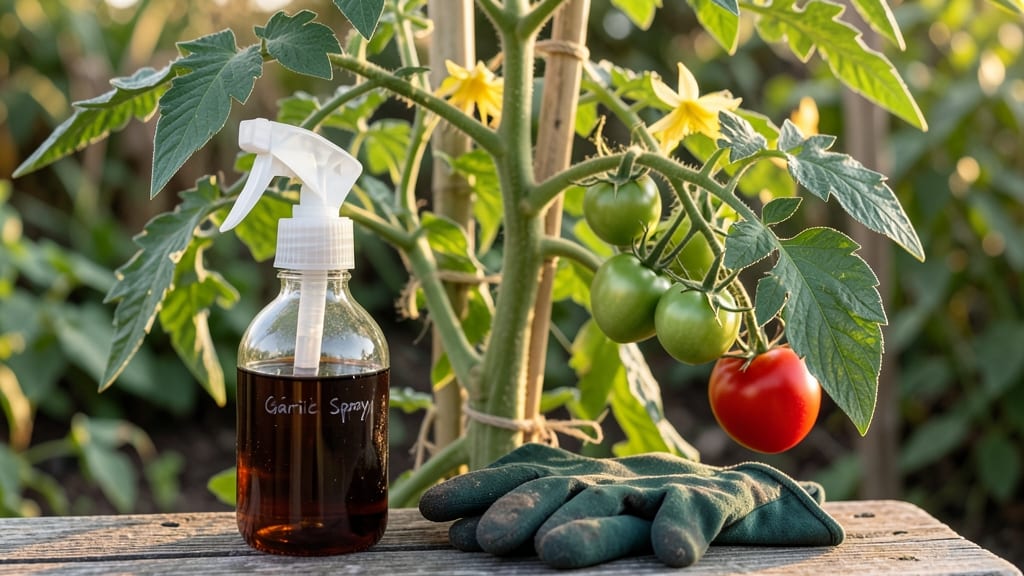
A garlic spray for tomato plants isn’t just folklore—it’s a science-backed shield against pests like aphids, spider mites, and even early blight. 🌱 I’ve used this spray for five seasons, and my tomato yields have doubled while cutting down on chemical sprays.
The active compounds in garlic, allicin and sulfur, disrupt insect life cycles without harming your plants or pollinators.
The recipe requires just four simple ingredients: fresh garlic, water, a carrier oil (like vegetable or canola), and a few drops of dish soap to help it stick. No fancy equipment—just a blender or food processor, a spray bottle, and about 30 minutes of prep time.
The key is consistency: apply it every 7-10 days during growing season, especially after rain or heavy watering.
What you’ll notice is fewer holes in leaves, fewer wilting flowers, and tomatoes that stay vibrant longer. Unlike neem oil, which can stress plants, or copper sprays that leave a metallic taste, garlic spray works gently but effectively. It even deters deer and rabbits when sprayed around garden edges.
For best results, store the spray in the fridge for up to 5 days and shake well before each use. If you’re growing in containers or greenhouses, increase the frequency to 5-7 days—pests thrive in enclosed spaces.
The spray is safe for all tomato varieties, including heirlooms and hybrids, and can be used alongside other organic controls like companion planting.
📚 In This Guide
- What you need
- Instructions
- Tips and common mistakes
- Wrapping up and next steps
What you need
- ● Garlic bulbs: 4–6 cloves (fresh, unpeeled) – the more, the merrier for potency!
- ● Water: 1 quart (32 oz) – filtered or distilled works best.
- ● Spray bottle: 16–32 oz with a fine mist nozzle (or a clean, reusable container + funnel for mixing).
- ● Blender or food processor: To crush garlic into a paste.
- ● Strainer or cheesecloth: For filtering out garlic pulp.
- ○ Optional but helpful: 1 tsp liquid dish soap (unscented) – acts as a natural emulsifier to help the spray stick.
- ● 1 tsp apple cider vinegar – boosts antifungal properties.
- ● Tomato plants in the vegetative or flowering stage (avoid spraying during fruiting if possible).
- ● Mild weather: Apply on a cool, overcast day or early morning to prevent leaf burn.
- ● Patience! Let the spray sit for 1–2 hours before watering plants again.
Step-by-step instructions for making garlic spray for tomato plants
Here's how I make a potent, natural pest repellent that keeps aphids, spider mites, and whiteflies off tomatoes—no chemicals needed.
🧄 Step 1: Gather and Chop Garlic and Hot Peppers
Peel 4-5 garlic cloves and chop them into small pieces—think rice-sized chunks. Add 1-2 hot peppers (like jalapeños or serranos) to the mix, seeds and all, and chop them finely too. The garlic delivers the sulfur compounds that repel pests, while the peppers add a natural insect-repelling kick. I like to use a sharp knife for even chopping, but a food processor works if you're in a hurry.
Place the chopped garlic and peppers in a quart-sized mason jar—this gives enough spray for about 4 tomato plants. Fill the jar about halfway with water, leaving room to shake later. The goal is to fully submerge the chopped materials so they steep properly.
💧 Step 2: Steep and Strain the Mixture
Let the jar sit in a warm, dark place for 24 hours. This lets the garlic and peppers infuse the water with their active compounds. I usually place mine on my kitchen counter overnight—just make sure it’s out of direct sunlight, which can degrade the potency. After 24 hours, the liquid will have a strong, pungent smell—this is a good sign it’s working.
Strain the mixture through a fine-mesh strainer or cheesecloth into a clean spray bottle. You’ll want to press the solids gently to extract every last drop of liquid. Discard the leftover garlic and peppers—they’ve done their job. If the liquid looks cloudy or has bits floating, strain it again through a coffee filter for a cleaner spray.
🌿 Step 3: Add Soap and Water for Adhesion
Mix 1 teaspoon of mild liquid soap (like Castile soap) into the strained garlic liquid. The soap acts as a natural emulsifier, helping the spray stick to the tomato leaves where pests hide. Shake the bottle gently to combine—don’t overdo it, or you’ll create too many suds. Add enough water to fill the spray bottle to the top, leaving a little room for shaking.
Shake the bottle well before each use. The soap can separate over time, so a quick shake ensures the garlic spray is evenly distributed. I like to label my spray bottles with the date and contents—this helps me keep track of how fresh the mixture is. Use the spray within 3-5 days for best results, as the potency fades over time.
☀️ Step 4: Apply to Tomato Plants
Spray the garlic mixture early in the morning or late in the evening when the sun isn’t at its strongest. Direct sunlight can burn the leaves if the spray contains concentrated garlic compounds. Focus on the undersides of leaves, where pests like to hide, and spray until the foliage is lightly damp but not dripping. Avoid spraying flowers or fruit, as the strong scent might deter pollinators.
Reapply every 5-7 days or after rain, which washes the spray away. I’ve found that consistency is key—pests don’t stand a chance when the garlic spray is part of your regular tomato care routine. If you notice pests returning, increase the frequency to every 3-4 days until they’re gone. This spray is safe for your plants and won’t harm beneficial insects like ladybugs or bees if used correctly.
⏰ Step 5: Store and Rotate with Other Pest Controls
Store any leftover garlic spray in the refrigerator for up to 5 days. The cold slows down the breakdown of the active compounds, keeping the spray effective longer. If you have extra time, you can even freeze small batches in ice cube trays and thaw as needed—this extends the shelf life even further.
For best results, rotate garlic spray with other natural pest controls, like neem oil or companion planting with basil or marigolds. This keeps pests guessing and reduces the chance of resistance. I also recommend checking your tomato plants regularly for signs of pests—early intervention makes all the difference in keeping your garden thriving.
Tips & tricks for perfect garlic spray for tomato plants
Here's what I've learned to make this spray work even better—because a little extra care goes a long way with natural remedies.
Chopping Technique: For maximum potency, chop the garlic and peppers as finely as possible—aim for a paste-like consistency. The smaller the pieces, the more surface area gets infused into the water. I like to pulse them in a food processor for 10-15 seconds, then finish with a knife for any stubborn bits. This ensures you're extracting every last drop of those pest-repelling compounds.
Steeping Environment: The 24-hour steeping time is crucial, but where you place the jar matters just as much. I've found that a warm spot—like on top of the fridge or near a sunny window (but not in direct sunlight)—works best. The warmth helps activate the garlic's sulfur compounds faster, making your spray more effective sooner. If your kitchen is particularly cold, consider placing the jar in a warm oven with the light on for an extra boost.
Straining Strategy: Don't rush the straining process—press those garlic and pepper pieces gently but firmly against the strainer or cheesecloth. I've learned that the cloudy liquid left behind actually contains a surprising amount of the active ingredients. For the cleanest spray, double-strain through a coffee filter, but save that filtered liquid—it's still potent and can be used for a second batch of spray (just dilute with fresh water).
Application Timing: Early morning applications work best because the dew on leaves helps the spray adhere better. If you must spray during the day, choose a cloudy day or apply when the sun is low in the sky. I've noticed that spraying after a light rain also works well—the water helps the garlic compounds spread more evenly across the foliage. Just avoid spraying when flowers are open to protect pollinators.
Pro Tips for Garlic Spray For Tomato Plants
- Here's what I've learned to make this spray work even better—because a little extra care goes a long way with natural remedies.
- Chopping Technique: For maximum potency, chop the garlic and peppers as finely as possible—aim for a paste-like consistency.
- Steeping Environment: The 24-hour steeping time is crucial, but where you place the jar matters just as much.
Frequently asked questions
Got questions about using garlic spray for your tomato plants?
Here are answers to the most common ones—so you can keep those pests away without stress!
How often should I spray garlic spray on tomato plants?
Apply garlic spray every 7–10 days or after heavy rain to maintain protection. For severe pest outbreaks, spray weekly until pests disappear. Early morning or late evening works best to avoid harming bees and other pollinators.
When is the best time of year to start using garlic spray?
Begin spraying at planting time or when you first spot pests (like aphids, spider mites, or whiteflies). Continue throughout the growing season—especially in spring and summer—when pests are most active. A preventive approach keeps your plants healthier!
Can I use garlic spray as a standalone treatment, or do I need other pesticides?
Garlic spray is a powerful natural pesticide, but for severe infestations, combine it with other organic methods like neem oil or insecticidal soap. It’s great for prevention and mild pest control, but don’t hesitate to mix strategies for tough cases!
What should I do if my tomato plants look worse after spraying?
If plants show signs of stress (yellowing, wilting, or browning), rinse with water immediately and reduce future applications. Overuse or high concentrations can burn foliage. Always dilute properly (1:10 garlic juice to water) and test on a small leaf first!
Can I use fresh garlic cloves instead of garlic juice?
Yes! Crush or blend 2–3 fresh garlic cloves per quart of water, steep overnight, then strain. Fresh garlic is even more potent, but the smell fades faster. For stronger results, reuse the garlic water (after straining) for a second spray—just dilute it further!
Wrapping up and next steps
Transforming your garden into a thriving, pest-free paradise with a simple garlic spray for tomato plants is easier than you think! 🌱 This natural, chemical-free solution not only deters unwanted critters but also boosts plant health—all while being gentle on the environment.
Ready to see those tomatoes flourish? Grab your spray bottle and get mixing!
Your next step? Test a small area first to ensure your plants love the spray as much as you do. Then, enjoy the satisfaction of growing strong, happy tomatoes—naturally! 🍅✨