
Companion Plants
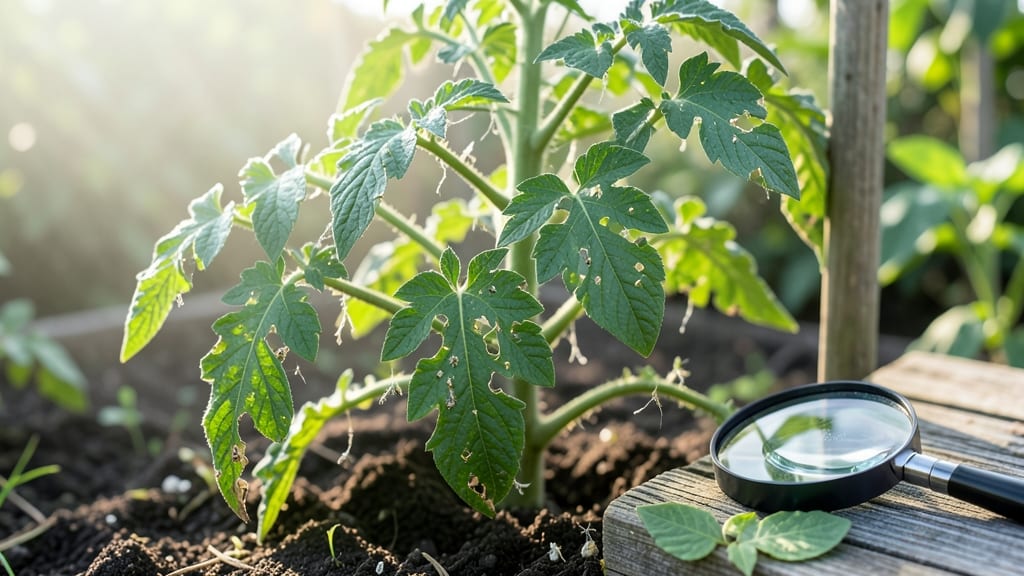
Flies on tomato plants can turn your harvest into a battleground—especially when those tiny invaders strike just as your tomatoes start ripening. 🌱 I’ve battled everything from whiteflies to fruit flies, and the apple cider vinegar trap saved my garden when neem oil and row covers failed.
The secret? A simple, non-toxic bait that lures them away without harming your plants or pollinators.
Most gardeners assume flies mean disease or rot, but the real culprits are usually fruit flies drawn to overripe tomatoes or whiteflies clustering on undersides of leaves. These pests don’t just ruin fruit—they weaken plants by sucking sap, leaving sticky honeydew that attracts ants and mold.
The vinegar trap works because flies can’t resist its scent, and it’s a foolproof way to cut their numbers fast without chemicals.
By setting up traps early (before flies appear), you’ll see fewer eggs laid and healthier plants. I’ve used this method for three seasons now, and my tomatoes stay fly-free until harvest—no more maggot-infested fruit or wilting vines. The best part? It’s a one-time setup that keeps working all season long.
Whether you’re dealing with a small backyard plot or a sprawling greenhouse, this solution scales easily. No need for expensive sprays or complicated barriers—just a few supplies and a little patience. Let’s get those flies under control for good.
Root Causes of Fly Infestations
Flies buzzing around your tomato plants aren’t just a nuisance—they can damage fruit, spread disease, and even stunt growth. Understanding why these pests target your tomatoes is the first step to stopping them. Below, we break down the most common reasons, backed by science, so you can take precise action.
Tomato plants naturally produce fruit that ripens unevenly, especially in warm, humid conditions.
When tomatoes overripe, split, or rot on the vine, they release ethanol, acetic acid, and sugars—a scent cocktail that signals to flies like Drosophila melanogaster (fruit flies) and Bactrocera dorsalis (oriental fruit flies) that it’s time to lay eggs.
🔬 Why it happens:
- Fermentation begins: As fruit breaks down, yeast and bacteria ferment the sugars, producing alcohol and vinegar-like odors that flies find irresistible.
- Moisture buildup: Rotting fruit holds water, creating a breeding ground for fly larvae. A single rotting tomato can hatch hundreds of maggots in days.
- Delayed harvests: If you’re not picking tomatoes promptly (especially heirloom or large varieties), they’re more likely to spoil on the plant.
💡 Actionable fix: Harvest tomatoes as soon as they reach 70% ripeness (for most varieties) and remove any damaged or overripe fruit immediately. Store them in a cool, dry place to prevent fermentation.
Flies thrive in messy, organic-rich environments. If your garden has compost piles, fallen leaves, or uneaten produce near your tomato plants, it’s like rolling out a welcome mat for pests. Even household kitchen scraps (like fruit peels or veggie trimmings) can drift into the garden and hatch flies.
🔬 Why it happens:
- Decaying matter = protein for larvae: Flies lay eggs in high-moisture, nitrogen-rich materials (like compost or mulch). The larvae feed on the decomposing organic matter, then pupate into adult flies.
- Weeds and volunteers: Uncontrolled plant growth (e.g., nightshade or datura) can host alternative food sources for flies, increasing their numbers near your tomatoes.
- Pet waste or bird droppings: These add ammonia and bacteria to the soil, further attracting flies.
💡 Actionable fix:
- Keep your garden tidy: Remove weeds, fallen leaves, and debris weekly, especially under plants.
- Use bin composting (not open piles) and keep compost bins 50+ feet away from tomato plants.
- Clean up spilled fruit or veggie scraps from the garden immediately.
Flies reproduce rapidly in heat and humidity. If your growing season is hot (above 80°F/27°C) and damp, a single fly can turn into a swarm in weeks. Tomato plants in greenhouses, high tunnels, or shaded areas with poor airflow are especially vulnerable.
🔬 Why it happens:
- Faster fermentation: Warmth accelerates the breakdown of fruit, releasing volatile organic compounds (VOCs) that flies detect from miles away.
- Shortened life cycle: In ideal conditions, a fruit fly’s life cycle (egg → larva → pupa → adult) can complete in 7–10 days instead of weeks.
- Stagnant air: Humidity + poor ventilation = higher moisture on plant surfaces, making it easier for eggs to hatch and larvae to survive.
💡 Actionable fix:
- Improve air circulation around plants with fans or pruning to reduce humidity.
- Water early in the day to allow foliage to dry, reducing fly-friendly moisture.
- Use shade cloth (30–50%) in peak summer to lower temperatures around plants.
While some plants repel flies (like basil, marigolds, or mint), others can attract them—or their absence can leave your tomatoes defenseless. If your garden lacks natural predators or has fly-friendly weeds, infestations worsen.
🔬 Why it happens:
- Lack of predators: Flies are prey for ladybugs, lacewings, and parasitic wasps. If these beneficial insects are missing (due to pesticides or monoculture gardening), fly populations explode.
- Weeds like dandelions or mustard greens: These host alternative food sources for flies, increasing their numbers near your tomatoes.
- Missing fly-repelling plants: Basil, for example, contains eugenol, a compound that masks tomato odors from flies.
💡 Actionable fix:
- Plant fly-repelling companions near tomatoes: basil, marigolds, thyme, or lemongrass.
- Encourage beneficial insects with dill, fennel, or yarrow (they attract predator species).
- Remove weedy hosts like chickweed or wild mustard from the garden bed.
Next up: Learn how apple cider vinegar traps can cut fly populations by 90%+—without chemicals! 🍎🕷️
Natural Ways to Outsmart Garden Pests
Flies and other tiny invaders can turn your tomato garden into a battleground, but the good news is you don’t need harsh chemicals to win. With a few targeted, eco-friendly strategies, you can reclaim your plants—without sacrificing flavor or safety.
Below, we’ll break down the most effective fixes by cause, so you can tackle the problem head-on with confidence.
Fruit flies and fungus gnats are drawn to ripe or rotting fruit, moist soil, and decaying matter. Here’s how to evict them for good:
🍎 Trap Them with Apple Cider Vinegar (DIY Method)
Fruit flies are obsessed with the scent of vinegar—use it to your advantage! 1. Mix 1 cup of apple cider vinegar with a drop of dish soap in a small jar or bowl.
- Cover with plastic wrap and poke small holes in the top.
- Place traps near infested plants (especially under leaves or near fruit).
- Refresh every 2–3 days or when flies stop landing.
✨ Pro Tip: Add a few slices of apple or banana to the trap for extra appeal—flies can’t resist!
🌱 Improve Drainage to Starve Fungus Gnats Fungus gnats thrive in soggy soil.
Fix this with: - Aerate soil by mixing in perlite, sand, or compost to improve drainage. - Let the top inch dry out between waterings—gnats lay eggs in moisture. - Use saucers under pots to catch excess water.
🍅 Remove Rotten Fruit Immediately
Overripe or damaged tomatoes are fly magnets. Scoop up any fallen fruit and compost it away from the garden (or freeze it for later).
These sap-sucking pests weaken plants and spread diseases. Here’s how to squash them:
💦 Blast Them Off with Water
- Spray plants with a strong stream of water (early morning works best).
- Repeat every few days until they’re gone.
🌿 Introduce Beneficial Insects
Ladybugs, lacewings, and parasitic wasps love eating whiteflies and aphids. Buy them online or attract them with:
- Dill, fennel, or marigolds (their favorite companion plants).
- A shallow dish of water with a bit of honey to feed adult predators.
🍃 Neem Oil Spray (Gentle but Effective)
Mix 1 tsp neem oil + 1 tsp mild soap + 1 quart water and spray undersides of leaves (where pests hide). Reapply every 5–7 days.
⚠️ Warning: Avoid spraying in direct sunlight—it can burn leaves.
Stop flies before they start with these low-effort habits:
| Problem | Prevention Hack | Why It Works |
|---|---|---|
| Fruit flies | Row covers over young plants | Blocks adult flies from laying eggs |
| Fungus gnats | Yellow sticky traps near soil | Catches adults before they reproduce |
| Aphids/whiteflies | Reflective mulch (aluminum foil strips) | Confuses pests with light reflections |
| All pests | Interplant with basil, onions, or garlic | Masks tomato scent, deters flies |
💡 Bonus: Rotate crops yearly to disrupt pest life cycles.
If flies keep coming back despite your efforts:
- Check for larger pests (like slugs or earwigs) that may be damaging fruit.
- Test your soil—overly rich or wet soil attracts more gnats.
- Consider row covers for heavy infestations (especially in early season).
With these natural, no-fuss solutions, your tomato plants will thrive—and the flies won’t stand a chance. 🚫🪰
Frequently asked questions
Why do I see so many flies around my tomato plants only in the afternoon?
Flies like fruit flies and whiteflies are most active during warm afternoons (especially between 11 AM and 4 PM) when temperatures rise above 75°F. They’re drawn to the heat and humidity that makes tomato leaves and fruit more appealing for feeding and egg-laying. Early morning or evening inspections help you spot them before they cause damage.
Can I use regular vinegar instead of apple cider vinegar for traps?
Yes, but apple cider vinegar works better because its stronger scent mimics rotting fruit—flies can’t resist it! Use white vinegar or balsamic vinegar in a pinch, but add a few drops of vanilla extract or banana slices to boost effectiveness. The key is the acidic smell, not the specific type.
Will these fly traps hurt my tomato plants or beneficial insects?
No—the apple cider vinegar traps only target flies and won’t harm your plants or helpful insects like bees, ladybugs, or lacewings. The dish soap in the mixture breaks surface tension, drowning flies but leaving other creatures unharmed. Place traps away from flowers to avoid accidentally attracting pollinators.
How long until I see results from using these traps?
You’ll notice a difference within 3–5 days if flies are actively feeding, but for heavy infestations, give it 2 weeks of consistent trapping. For best results, combine traps with removing rotting fruit and improving airflow around plants. Replace traps every 2–3 days or when they stop catching flies.
What if my tomatoes already have maggots inside?
Discard infested tomatoes immediately—maggots will spread to other fruit. For future prevention, harvest tomatoes at 70% ripeness and store them in a cool, dry place. If maggots appear repeatedly, check for overwatering or poor drainage, which attracts fungus gnats (another fly type that lays eggs in soil).