
Planting
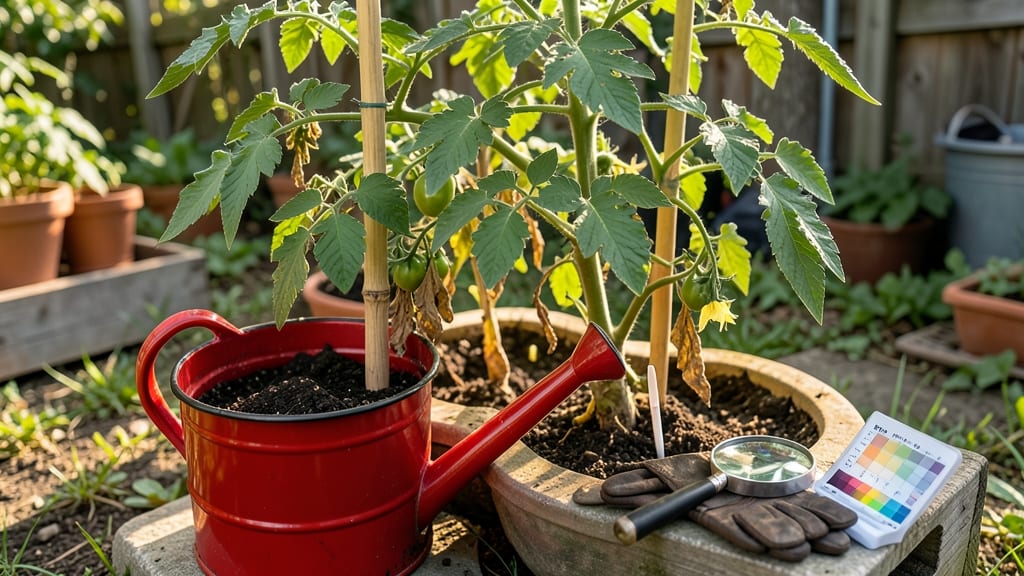
Your droopy tomato plant leaves might just need a quick fix—pruning and propping can revive them in hours. 🌱 I’ve saved more than a dozen plants this way, and the secret lies in diagnosing the right issue fast.
Overwatering, pests, or heat stress often cause that sad, limp look, but the fix is simpler than you’d think.
Start by checking the soil: if it’s soggy, let it dry out; if it’s bone-dry, water deeply but gently. Then, trim any yellow or brown leaves to help the plant focus its energy.
For extra support, stake or cage the plant immediately—this prevents further stress and gives it a chance to recover. Most plants perk up within 24 hours if you act now.
The payoff? You’ll see new, firm growth within a week, and your tomatoes will bounce back stronger. The key is consistency: keep an eye on watering, watch for pests, and protect from extreme heat.
This method works for both container and in-ground plants, so don’t wait—your tomatoes are counting on you.
Still unsure? Share a photo of your plant’s symptoms, and I’ll help you pinpoint the exact issue. Every droopy leaf is a chance to turn things around—let’s get your plants thriving again!
Root Causes Of Wilting Tomato Leaves
Understanding why your tomato plant’s leaves droop is the first step to bringing it back to vibrant health. Wilting often signals an underlying issue—whether environmental, biological, or even a mix of both. Below, we break down the most common culprits with clear explanations and actionable insights.
Tomatoes thrive on consistency but hate soggy roots. Overwatering or compacted soil forces roots to suffocate, cutting off their oxygen supply. Without oxygen, roots can’t absorb water efficiently, leading to wilting even when the soil feels moist.
- Why it happens: Roots need 10–30% air space in soil.
Heavy clay or waterlogged conditions replace oxygen with stagnant water, triggering root rot (Phytophthora or Fusarium). - Signs to watch for: - Yellowing lower leaves (early stage) - Soil that stays damp for >24 hours after watering - Mushy stems at the base (advanced rot)
💡 Pro Tip: Stick your finger 2 inches deep—if it’s damp, wait. Use a moisture meter for precision, or amend heavy soil with perlite or compost to improve aeration.
Tomatoes are sun-lovers, but intense midday heat (above 90°F/32°C) or direct scorching can cause leaves to wilt as a protective response. This isn’t just wilting—it’s heat stress, where cells lose turgor pressure faster than they can recover.
- Why it happens: High temperatures increase transpiration (water loss) while closing stomata (leaf pores), creating a feedback loop.
Sunburned leaves may also develop bleached or crispy patches. - At-risk zones: - Black plastic mulch (absorbs heat, bakes roots) - South-facing containers (no shade relief) - Afternoon watering (evaporates before absorption)
✨ Quick Fix: Provide 30–50% shade with shade cloth during peak heat. Water deeply in the morning (1–2 gallons per plant) to cool roots.
While overwatering is a common villain, underwatering is just as damaging—especially in sandy or fast-draining soils. Roots dry out, and the plant wilts to conserve moisture, often with a paper-like texture to leaves.
- Why it happens: Tomato roots are shallow (top 6–12 inches) and need consistent moisture.
Drought stress triggers ethylene gas, a plant hormone that accelerates wilting. - Red flags: - Soil pulls away from pot edges (cracked, dry) - Leaves curl upward (not just droop) - Stems feel hollow when squeezed (severe dehydration)
🔥 Action Step: Soak the root zone (not just the surface) until water runs out the drainage holes. Use mulch (straw or grass clippings) to retain moisture.
Pests like aphids, spider mites, or whiteflies suck sap, while diseases like early blight or bacterial wilt clog plant vessels. Both scenarios disrupt water transport, causing leaves to droop—often unevenly across the plant.
| Culprit | How It Causes Wilting | Visual Clues |
|---|---|---|
| Aphids | Inject toxins, block sap flow | Sticky residue ("honeydew"), curled leaves |
| Spider Mites | Pierce cells, dehydrate leaves | Fine webbing, bronze/yellow speckles |
| Fungal Wilt | Clogs xylem (water pipes) | Wilting even when soil is wet, dark streaks in stems |
| Bacterial Wilt | Bacteria plug vessels, starve plant of water | Sudden collapse, ooze from cut stems |
👨🍳 Defense Plan:
- Pests: Spray neem oil or introduce ladybugs. Prune heavily infested leaves.
- Diseases: Remove infected plants immediately (don’t compost!). Rotate crops next season.
Tomatoes are heavy feeders, and deficiencies—especially potassium (K) or calcium (Ca)—weaken cell structure, leading to droopy, weak leaves.
- Potassium (K) Deficiency:
- Why it happens: K regulates stomatal function (water retention). Low K = leaves can’t hold turgor.
- Signs: Yellowing edges (scorching), weak stems, poor fruit set.
- Fix: Apply potassium sulfate or banana peel tea (rich in K).
- Calcium (Ca) Deficiency:
- Why it happens: Ca strengthens cell walls. Low Ca = blossom end rot (wilting, mushy fruit) and crinkly new leaves.
- Fix: Crushed eggshells (slow-release Ca) or calcium nitrate (1 tbsp/gallon water).
🎯 Targeted Boost: Use a balanced fertilizer (10-10-10) and Epsom salt (magnesium sulfate) for extra support.
Even minor stress—like rough handling, wind, or sudden temperature swings—can cause osmotic shock, where cells lose water rapidly.
- Why it happens: Roots fray or desiccate during transplanting, or wind rock plants, snapping fine root hairs.
- Signs:
- Wilting within hours of moving plants
- Stunted growth post-transplant
- Leaves curling inward (protecting themselves)
⏰ Recovery Tip: Avoid transplanting when temps exceed 85°F/30°C. If shocked, prune 1/3 of leaves to reduce water loss and stake immediately for support.
Fixing Floppy Tomato Foliage
Reviving your drooping tomato plant starts with identifying the root cause—but once you know what’s wrong, the fixes are often simple and fast. Below, we’ll tackle the most common culprits with clear, actionable steps to get your plant perky again.
Plus, we’ll share tips to keep those leaves firm and happy long-term.
Signs: Yellowing leaves, soggy soil, wilting even when watered. Why it happens: Too much moisture suffocates roots, cutting off water and nutrient flow.
How to Fix It
- 🔥 Let the Soil Dry Out
- Stop watering immediately and allow the top 2–3 inches of soil to dry completely before watering again. Stick your finger in the soil—if it’s damp past your first knuckle, wait.
- 👨🍳 Improve Drainage
- Mix perlite or coarse sand into the soil (1 part amendment to 3 parts soil) to help excess water drain faster.
- If potted, ensure the container has drainage holes and elevate it slightly to prevent water pooling.
- ⏰ Adjust Your Watering Schedule
- Water deeply 2–3 times per week (adjust for climate) rather than daily shallow drinks. Early morning is best—avoid evening watering to prevent fungal growth.
💡 Prevention Tip: Use a moisture meter or the "squeeze test" (gently press the soil; if it holds shape, it’s too wet). Mulch around the base to retain just enough moisture without drowning roots.
Signs: Crispy leaf edges, dry soil, leaves curling upward. Why it happens: Tomatoes need consistent moisture, especially in hot weather. Skipping watering or uneven hydration causes stress.
How to Fix It
- 🍳 Hydrate Deeply and Often
- Water slowly and deeply at the base of the plant (avoid wetting leaves to prevent disease). Use a soaker hose or drip irrigation for even distribution.
- 🌡️ Beat the Heat - Shade cloth (30–50%) during peak afternoon sun (12–4 PM) can save wilting plants.
Alternatively, use reflective mulch (like aluminum foil) around the base to deflect heat. - Mist leaves lightly in the early morning to cool them down (avoid evening misting to prevent fungal issues).
- 🥗 Boost Humidity (Temporarily)
- Place a tray of water near the plant or group tomatoes with other plants to create a microclimate. Avoid overdoing it—tomatoes prefer 60–70% humidity.
💡 Prevention Tip: Water before the soil dries out completely. In extreme heat, check soil moisture daily—tomatoes can wilt in hours without water.
Signs: Brown spots with yellow halos, mushy stems, or blossom-end rot (black bottoms on fruit). Why it happens: Fungal spores thrive in wet, humid conditions, clogging plant tissues and disrupting water flow.
How to Fix It
- 🔪 Prune Infected Areas
- Use sterilized pruners to remove all yellow or spotted leaves. Dispose of them in the trash (not compost)—don’t let spores spread.
- 🌡️ Improve Airflow
- Space plants 18–24 inches apart and prune lower leaves to allow sunlight and air to circulate. Avoid overhead watering.
- 💪 Fungal Remedies - Baking soda spray: Mix 1 tsp baking soda + 1 tbsp oil + 1 tsp mild soap per gallon of water.
Spray leaves every 7–10 days. - Copper fungicide: Apply as directed for a chemical-free fix. - Prevent blossom end rot: Add crushed eggshells or lime to soil (1 tbsp per plant) to boost calcium.
💡 Prevention Tip:
- Rotate crops yearly—don’t plant tomatoes in the same spot where nightshades (peppers, eggplants) grew last year.
- Water at the base and avoid wet foliage. If you must water leaves, do it early in the day so they dry quickly.
Signs: Slow growth, pale leaves, roots circling the pot, or stunted stems. Why it happens: Compacted soil, lack of nutrients, or roots outgrowing their space strangle water and nutrient uptake.
How to Fix It
- 🌿 Repot or Loosen Soil
- If roots are circling the pot, repot into a larger container with fresh, well-draining potting mix. Add compost or worm castings for nutrients.
- For in-ground plants, loosen soil around the base with a fork to aerate roots.
- 📊 Fertilize Smartly - Use a balanced fertilizer (10-10-10 or 5-5-5) every 2–3 weeks during growing season.
Switch to a low-nitrogen, high-phosphorus (5-10-10) when flowers appear. - DIY fix: Mix 1 tbsp Epsom salt (magnesium sulfate) per gallon of water and apply as a foliar spray for a quick boost.
- 🎯 Support Weak Stems
- Stake or cage the plant immediately if stems are floppy. Use soft ties (like old T-shirts) to avoid damaging the stem as it grows.
💡 Prevention Tip:
- Test your soil (pH 6.0–6.8 is ideal for tomatoes). Amend with sulfur if too alkaline or lime if too acidic.
- Mulch heavily (2–3 inches of straw or grass clippings) to retain moisture and nutrients.
Signs: Sticky residue (honeydew), tiny bugs on undersides of leaves, or webbing. Why it happens: Pests suck sap, weakening leaves and disrupting water transport.
How to Fix It
- 🔪 Blast Them Off
- Spray leaves with a strong stream of water to knock off pests. Repeat daily for 3–5 days.
- 💪 Natural Pesticides
- Neem oil spray: Mix 1 tsp neem oil + 1 tsp mild soap per quart of water. Spray every 5–7 days until pests are gone.
- Insecticidal soap: Apply directly to pests (reapply after rain).
- 🌡️ Attract Predators
- Plant marigolds or basil nearby to lure beneficial insects like ladybugs and lacewings.
💡 Prevention Tip:
- Inspect new plants before bringing them home. Quarantine them for a few days to catch hitchhiking pests early.
Final Pro Tip: 🌟 Prop up wilted plants immediately with stakes or cages to prevent stems from snapping under their own weight. Even if the leaves droop, the plant can often recover if roots stay healthy!
Frequently asked questions about droopy tomato leaves
Why do my tomato plant leaves droop in the afternoon but perk up at night?
This classic pattern usually signals heat stress or underwatering. During hot afternoons, your plant loses water faster than roots can absorb it, causing wilting. At night, cooler temps slow evaporation, letting leaves recover temporarily. Fix this by watering deeply in the morning (1–2 gallons per plant) and providing 30% shade cloth during peak sun (12–4 PM).
Can I save a tomato plant if all the leaves are drooping and mushy at the base?
Unfortunately, this likely means root rot has set in, which is often fatal. Check the stems: if they feel soft or black when cut, the plant won’t recover. However, if only the leaves are droopy but stems are firm, try pruning all leaves, improving drainage, and watering only when the top 2 inches of soil are dry. If roots are healthy, new growth may appear in 1–2 weeks.
How often should I water my tomato plants to prevent drooping?
Tomatoes need 1–2 inches of water per week, but frequency depends on your soil and climate. In sandy soil, water every 2–3 days (deeply), while clay soil may only need watering 2–3 times per week. The key is consistency: always water at the base in the morning, and avoid wetting leaves to prevent disease. Use your finger to check moisture—if the top 1 inch is dry, it’s time to water.
Will pruning droopy leaves help my tomato plant recover?
Yes, but only if the roots are healthy! Prune only the most severely droopy or yellow leaves to redirect the plant’s energy. Avoid cutting more than 20% of the foliage at once, as this can stress the plant further. Focus on removing damaged leaves while keeping some healthy ones to maintain photosynthesis. Pair pruning with proper watering and support (like stakes) for best results.
What’s the fastest way to revive a tomato plant with droopy leaves?
For an immediate fix, combine these steps:
- Prop up the plant with stakes or a cage to prevent stem snapping.
- Water deeply (if soil is dry) or let it dry out (if soggy).
- Trim 1–2 of the largest droopy leaves to reduce water loss.
- Move to shade (if heat-stressed) or a cooler spot for 24 hours. Most plants show improvement within 12–24 hours if the roots are still viable.