
Companion Plants
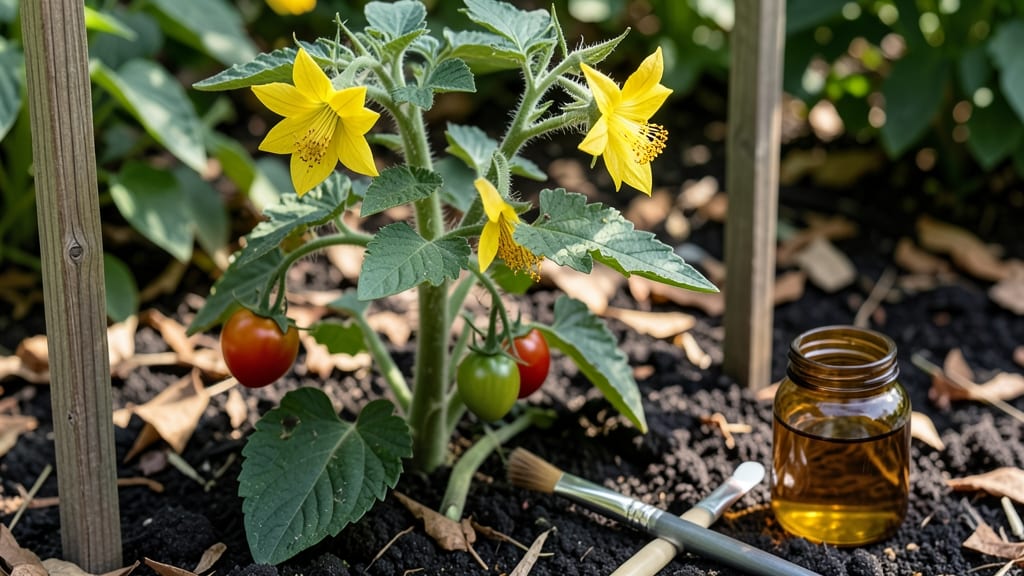
Tomato plants need to be pollinated to develop fruit, as their flowers require pollen transfer from male to female parts for successful fertilization. Wind, bees, or gentle hand-pollination can trigger this process naturally.
Tomatoes rely on pollination to convert flowers into fruit, and their self-pollinating nature makes them particularly dependent on external factors. 🌱 Unlike some plants that self-pollinate easily, tomatoes often need a little help—especially in greenhouses or during rainy weather when bees stay away.
The key is understanding when flowers are receptive (usually in the morning) and using simple techniques like tapping stems or attracting pollinators to ensure every blossom becomes a tomato.
Indeterminate varieties, which produce flowers continuously, benefit most from consistent pollination support. Even a light breeze or a gentle touch can work wonders—just avoid overdoing it, as excessive manipulation can damage delicate flowers.
For container growers or urban gardeners, this means keeping a close eye on your plants and intervening when nature falls short.
💡 In This Article
- How Tomato Pollination Works: The Science Behind Fruit Development
- Natural Pollination Methods to Maximize Tomato Yields
How tomato pollination works: the science behind fruit development
Tomato flowers have a fascinating two-part anatomy that makes them perfect for pollination studies. The male parts (anthers) sit atop the flower, releasing pollen when they mature, while the female part (stigma) waits below to receive it.
What's unique is that tomato flowers often need external help to transfer pollen between these parts—a process called cross-pollination. The flower's structure means pollen must travel about 1/4 inch from anther to stigma, which wind or insects can easily accomplish.
The magic happens when pollen grains land on the sticky stigma, germinate, and grow a tube down through the flower's style to reach the ovary. This journey takes about 24-48 hours, during which the pollen's enzymes break down the stigma's surface.
Once inside, the sperm cells fertilize the ovules, triggering fruit development. Temperature plays a crucial role here—ideal pollination occurs between 70-85°F, while extreme heat (90°F+) or cold (55°F-) can disrupt pollen viability.
Indeterminate tomato varieties, which produce flowers continuously throughout the growing season, are particularly sensitive to pollination gaps. These plants rely on consistent pollen transfer to maintain fruit production, unlike determinate varieties that set fruit all at once.
The flowers also have a 6-8 hour window of receptivity each morning, typically opening between 8-10 AM when humidity is lower and temperatures are optimal for pollen release. Missing this window means wasted blossoms.
Humidity creates another challenge—high moisture levels can cause pollen to clump together, preventing proper transfer. I've noticed this most dramatically in greenhouses where humidity hovers above 70%. The pollen becomes sticky and ineffective, which is why greenhouse growers often need to supplement with hand-pollination.
Even a light rain can wash away pollen before it reaches the stigma, which explains why many gardeners report poor fruit set after heavy downpours.
What's less obvious is how tomato plants themselves influence pollination success. Some varieties produce more pollen-rich flowers, while others have sturdier stigmas that better capture airborne pollen.
For example, beefsteak tomatoes tend to have larger flowers with more pollen, while cherry tomatoes often have smaller flowers that require more precise pollination. Understanding these nuances helps explain why some plants in your garden thrive while others struggle despite identical growing conditions.
Here's a quick comparison of how different factors affect pollination:
- Temperature: 70-85°F = optimal; 90°F+ = pollen failure
- Humidity: Below 60% = best; 70%+ = pollen clumping
- Time of Day: 8-10 AM = peak receptivity; after noon = reduced success
- Variety: Indeterminate = continuous need; determinate = all-at-once set
The takeaway is that tomato pollination isn't just about having flowers—it's about creating the perfect conditions for pollen to do its job. When you understand these scientific details, you can troubleshoot problems before they become fruitless seasons. 🌿