
Companion Plants
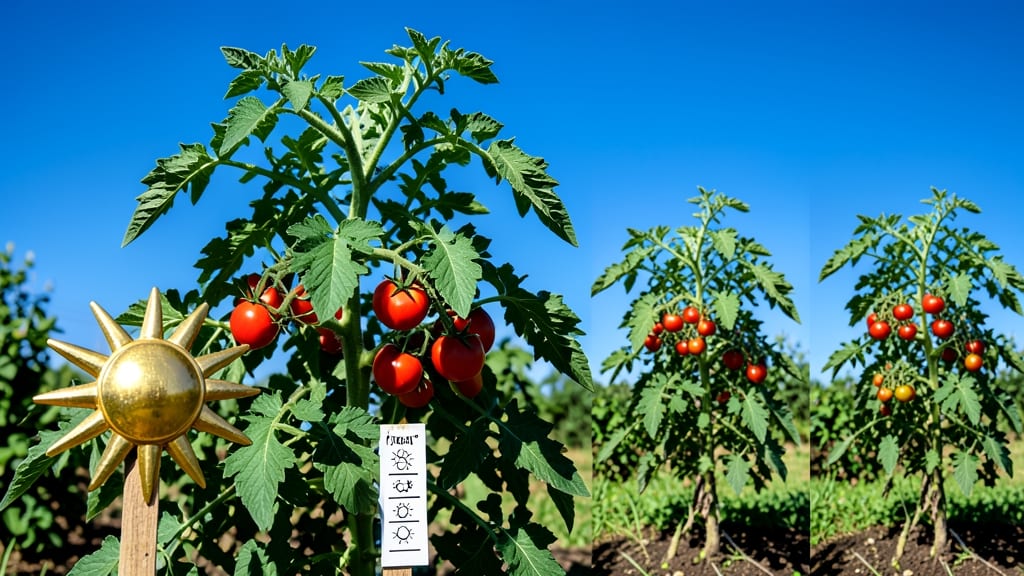
Tomato plants absolutely need sun to grow and produce fruit—6 to 8 hours of direct sunlight is the magic number for a thriving harvest.
If your tomato plants aren’t producing fruit—or worse, they’re wilting before they even get started—your light exposure might be the culprit. Sunlight isn’t just a preference for tomatoes; it’s the fuel that determines whether you’ll harvest juicy red slices or sad, stunted vines.
Without enough light, plants stretch toward the sun, grow weak, and produce fewer tomatoes.
Even in Zone 6 gardens, where spring can drag on, tomatoes need consistent sunlight to set fruit. Shade from trees or buildings can trick plants into thinking it’s time to flower before they’re ready, leading to poor yields.
The good news? With the right setup—whether you’re growing in containers or the ground—you can maximize sun exposure and turn those leggy plants into productive powerhouses.
In this guide, I’ll break down exactly how much sun tomatoes need, what happens when they don’t get enough, and practical tips to ensure your plants soak up the right amount—no matter your garden setup.

How much sun do tomato plants need for optimal growth and fruit production?
Tomatoes are sun-worshippers, and their growth hinges on 6-8+ hours of direct sunlight daily. Without enough light, your plants will struggle to produce the energy-rich fruits you crave. Think of sunlight as their photosynthesis fuel—the more they get, the bigger and tastier your harvest will be.
Not all tomatoes are created equal when it comes to light needs. Indeterminate varieties (like 'Sungold' or 'Brandywine') thrive with 8+ hours of sun to support their continuous vine growth. Meanwhile, determinate types (such as 'Roma' or 'Celebrity') can manage with 6-7 hours since they grow in compact bushes.
Here’s the golden rule: More sunlight = more fruit. Plants in full sun produce 2-3x more tomatoes than those in partial shade. Even a few hours less can lead to smaller, fewer fruits and weaker stems that struggle to support heavy harvests.
Seasonal adjustments matter too. In spring and fall, when daylight is shorter, supplement with reflective mulches or move potted plants to sunnier spots. If you’re in USDA Zone 6 or warmer, summer’s long days mean tomatoes can soak up sun until late afternoon.
Now, let’s break down the sunlight requirements for different tomato types and what happens when they don’t get enough. This summary table will help you visualize the ideal conditions for your plants:
If your tomatoes aren’t getting enough sun, watch for tell-tale signs. Leaves may turn yellow or pale, stems grow weak and leggy, and flowers drop off without setting fruit. Even if your plants survive, the flavor and size of your tomatoes will suffer.
For container gardeners, place pots in the sunniest spot and rotate them weekly to ensure even light exposure. If your balcony or patio only gets morning sun, opt for determinate varieties or supplement with a grow light for 4-6 hours in the evening.
In shady gardens, try reflective surfaces like white gravel or aluminum foil under pots to bounce extra light onto leaves. For greenhouse growers, ensure vents are open during peak sun hours to prevent overheating while maximizing light exposure.
Remember, sunlight quality matters too. Direct sun (especially between 10 AM and 4 PM) is ideal, but bright, indirect light can work in a pinch. Just avoid deep shade—your tomatoes will thank you with a bountiful harvest!
What happens when tomato plants don’t get enough sun? Symptoms and fixes
Tomato plants are sun-hungry divas—they won’t thrive if you skimp on their sunlight exposure. When they don’t get enough light, their growth patterns shift dramatically, often leading to poor fruit production or even plant collapse.
Even just 4-5 hours of sun daily can leave your tomatoes struggling, while less than 3 hours might mean no harvest at all.
I’ve seen it happen: lush green leaves but tiny, tasteless tomatoes or no fruit at all. The plant’s energy goes into stretching toward any available light instead of producing the nutrient-rich fruit we all crave. If your tomatoes are acting strangely, light deprivation could be the root cause.
⚠️ Warning: Partial Shade ≠ Enough Sun
Tomatoes in partial shade (3-6 hours of sun) may survive, but they’ll produce fewer, smaller fruits with less sugar and flavor. Full shade (under 3 hours) is a death sentence for tomatoes—they’ll grow leggy, weak stems and no flowers or fruit. Even mornings-only sun (like east-facing windows) can cause blossom end rot due to uneven light exposure.
Action: Move plants to full sun ASAP or supplement with grow lights for 12+ hours daily.
One of the first signs of light deficiency is leggy growth—long, weak stems with spindly spacing between leaves. This happens as the plant stretches toward any available light source, often creating unsteady vines that can’t support heavy fruit.
You’ll also notice smaller, pale leaves clustered tightly together, a clear sign the plant is desperate for more energy from sunlight.
Another red flag is blossom end rot, where the bottom of tomatoes turns black and mushy. While this can stem from calcium deficiencies or irregular watering, insufficient sunlight weakens the plant’s ability to absorb calcium and regulate moisture, making it more susceptible.
If you see this, check both your watering habits and light exposure immediately.
For plants already suffering from low light conditions, don’t give up! Start by pruning lower leaves to improve airflow and light penetration to the lower canopy. Use reflective mulches (like white plastic or aluminum foil) around the base to bounce extra light onto the plant.
If you’re growing in containers, rotate pots weekly so all sides get even sun exposure.
In extreme cases, supplemental grow lights can save your harvest. LED full-spectrum grow lights placed 6-12 inches above the plant for 12-16 hours daily mimic sunlight and can revive struggling tomatoes.
For indoor growers, south-facing windows paired with reflective surfaces can sometimes bridge the gap, but don’t expect the same yield as outdoor full sun.
Remember, tomatoes are sun worshippers—they’ll reward your efforts with juicy, flavorful fruit when given what they need. If your plants are already in a low-light situation, act fast to maximize their light exposure before it’s too late. Your future sandwiches will thank you! 🌱